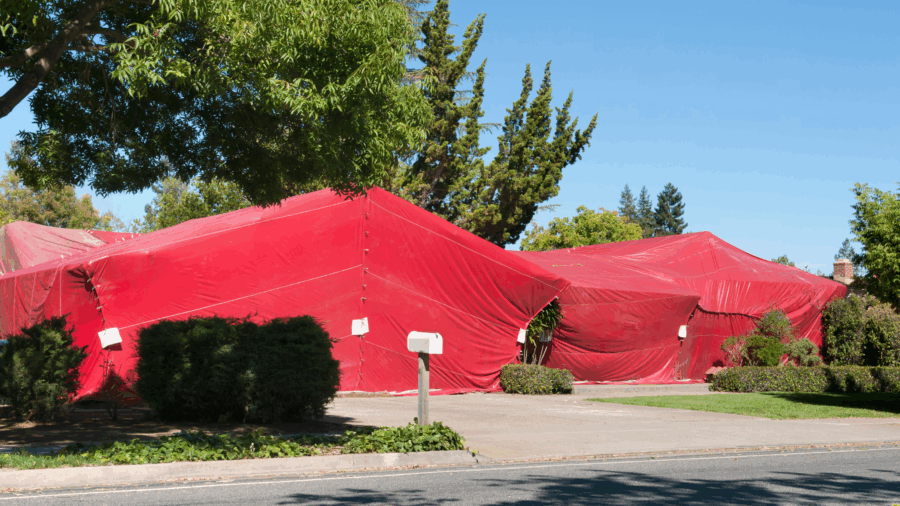
Are you worried about termites damaging your home? You might have heard about termite tenting as a solution, but how long does it actually take?
Knowing the timeline can help you plan better and protect your property without unnecessary stress. You’ll discover exactly how long termite tenting lasts, what happens during the process, and why timing matters for your home’s safety. Keep reading to get clear answers and feel confident about tackling termite problems the right way.
Termite Tenting Basics
Termite tenting is a common way to remove termites from homes. It uses special chemicals to kill the insects inside a house.
This method covers the entire house with a large tent and fills it with gas to treat the wood.
What Is Termite Tenting
Termite tenting is a process that covers a building with a tarp. The tarp traps a gas called fumigant inside.
The fumigant gas spreads throughout the house and kills termites hidden in wood and other places.
When To Consider Tenting
Use termite tenting when termite damage is large or hard to reach. It works well for serious infestations.
Tenting is also a choice if other treatments have not worked or if you want a full house treatment.
- When termites live deep inside walls
- When infestation covers a big area
- When quick treatment is needed
- When you want to protect your home fully
Types Of Termite Treatments
There are several termite treatments besides tenting. Each works in different ways to stop termites.
- Liquid Treatments:Chemicals are applied to soil or wood to block termites.
- Bait Systems:Small poisoned baits attract termites and kill the colony.
- Foam Treatments:Foam reaches hard spots and kills termites inside walls.
- Fumigation (Tenting):Gas fills the home, killing all termites inside.
Preparing For Termite Tenting
Termite tenting is a way to protect your home from termites. It uses a special tent and treatment. Proper preparation helps the process go smoothly.
Following the right steps before termite tenting keeps your family and property safe. Here are important things to do before the treatment.
Clearing The Home
Remove all food, dishes, and utensils from the house. Clear counters, tables, and floors. This stops contamination during the tenting.
- Take out all canned and boxed food items.
- Empty refrigerators and freezers or seal food tightly.
- Remove pet food and water bowls.
- Clear out cupboards and pantries.
- Cover or remove furniture if instructed.
Protecting Pets And Plants
Pets and plants need special care before termite tenting. They can be harmed by the chemicals used inside the tent.
| Item | Action |
| Pets | Move them to a safe place outside the home during treatment. |
| Plants | Take plants out of the house or cover them well. |
| Fish tanks | Cover tightly or move fish to a safe area temporarily. |
Scheduling And Timing
Plan termite tenting carefully to avoid problems. Choose a time when you can leave the home for the full treatment period.
- Pick a date that allows you to stay away for 2 to 3 days.
- Inform all household members about the schedule.
- Arrange for someone to care for pets and plants.
- Check the weather forecast for dry conditions.
- Confirm the appointment with the pest control company.
The Tenting Process
Termite tenting is a common way to get rid of termites in a building. It involves covering the entire structure with a special tent. This keeps the fumigation gases inside to kill the termites.
The process needs careful planning and safety steps. It usually takes a few days to complete from start to finish.
Setting Up The Tent
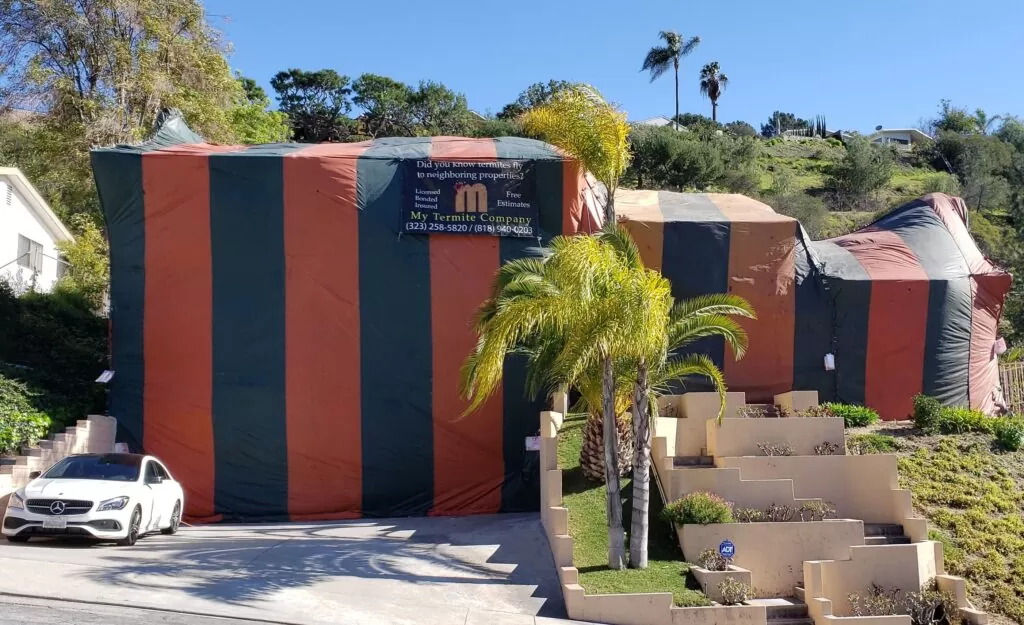
The first step is to cover the whole house with a large tent. The tent is made of thick plastic sheets that do not allow gas to escape. Workers seal the tent tightly around the base of the building.
Before tenting, people must leave the building. All food and plants are removed or sealed. Windows and doors are closed, but vents are left open for gas flow.
Fumigation Chemicals Used
Different chemicals are used inside the tent to kill termites. The choice depends on local rules and the type of termites.
- Sulfuryl fluoride is common and odorless.
- Vikane gas is widely used for its effectiveness.
- Other gases may include methyl bromide or phosphine.
These gases penetrate wood and reach termite nests deep inside the structure.
Duration Of Treatment
The length of the fumigation depends on the chemical and the weather. Usually, it lasts between 24 and 72 hours.
| Fumigation Time | Typical Duration |
| Sulfuryl fluoride | 24 to 48 hours |
| Vikane gas | 48 to 72 hours |
| Methyl bromide | 24 to 36 hours |
After the treatment, the tent is removed. The building is aired out for several hours before people can return safely.
Safety Measures During Tenting
Termite tenting is a safe way to treat your home for pests. It uses strong chemicals that need careful handling. Following safety rules keeps everyone safe during the process.
This guide explains important steps to take before, during, and after termite tenting. Knowing these tips will help protect your health and property.
Evacuation Guidelines
Everyone must leave the house before the tenting starts. The tent covers the whole building to trap the chemicals inside. Staying inside can cause serious health risks.
- Remove all people and pets from the home.
- Check with the tenting company for the exact time to leave.
- Do not enter the house until given the all-clear.
- Keep windows and doors closed during the process.
- Follow any special instructions from the pest control experts.
Handling Personal Belongings
Protect your belongings from the chemicals used in tenting. Some items can absorb fumes and get damaged. Preparing your home helps avoid loss or harm.
- Remove or cover food and drinks.
- Take out medicines and personal care items.
- Cover furniture with plastic sheets.
- Seal electronics in airtight bags.
- Store clothes in sealed containers.
Air Quality And Ventilation
Good air flow is key after tenting. Chemicals stay in the house for hours. Proper ventilation clears the air and makes it safe to return.
| Action | Recommended Time |
| Open all windows and doors | Immediately after tent removal |
| Run fans to circulate air | For at least 4 hours |
| Avoid using HVAC systems | Until air clears |
| Wait for professional clearance | Before re-entering |
Post-treatment Steps
After termite tenting, it is important to follow certain steps to ensure your home is safe. These steps help remove chemicals and check if termites are gone.
Careful actions after fumigation protect your family and property. Read about the key post-treatment steps below.
Tent Removal
The termite tent stays on your house for a few days. It traps the fumigant inside to kill termites effectively.
After the right time passes, professionals remove the tent. This step must be done carefully to avoid chemical exposure.
Home Inspection
Once the tent is removed, a detailed home inspection is important. Experts check if the termite treatment worked well.
They look for signs of live termites and damage. This helps decide if more treatment is needed.
Cleaning After Fumigation
Cleaning your home after fumigation removes leftover chemical smells and dust. It is safe to clean once the area is aired out.
Use mild soap and water for surfaces. Open windows and use fans to help fresh air circulate.
- Wash kitchen counters and tables
- Clean floors and walls
- Air out clothes and linens
- Vacuum carpets and rugs
- Dispose of any contaminated food

Credit: www.ecopestbermuda.com
Preventing Future Infestations
Termite tenting removes current infestations, but preventing new ones is key. Protect your home with simple habits and checks.
Regular care helps keep termites away for good. Focus on inspections, moisture control, and landscaping to reduce risks.
Regular Inspections
Check your home often for signs of termites. Early detection stops damage and saves money.
- Look for mud tubes on walls and foundations.
- Inspect wood for hollow spots or blistering.
- Check doors and window frames for damage.
- Hire a professional inspector yearly.
Moisture Control
Termites thrive in damp places. Keep your home dry to avoid attracting them.
| Problem Area | How to Fix |
|---|---|
| Leaky pipes | Repair leaks quickly |
| Poor drainage | Install gutters and downspouts |
| Wet crawl spaces | Use vapor barriers and ventilation |
| Clogged gutters | Clean regularly |
Landscaping Tips
Keep plants and wood mulch away from your house. Termites use these as bridges to enter your home.
- Maintain at least 18 inches of space between soil and wood siding.
- Remove dead trees, stumps, and wood piles near the house.
- Use gravel or stones instead of wood mulch close to your foundation.
- Trim bushes and plants away from walls and vents.
Cost And Effectiveness
Termite tenting is a common method to treat a termite infestation. It involves covering the entire building with a large tarp and releasing pesticides inside.
This method can be costly but is often effective in eliminating termites quickly. Understanding the cost and its effectiveness helps homeowners make informed decisions.
Typical Pricing
The price for termite tenting varies based on the size of the home and the severity of the infestation. On average, costs range from $1,000 to $3,500.
| Home Size | Average Cost |
| Up to 1,500 sq ft | $1,000 – $1,500 |
| 1,500 to 3,000 sq ft | $1,500 – $2,500 |
| Over 3,000 sq ft | $2,500 – $3,500 |
Factors Affecting Cost
- Size of the property
- Extent of termite damage
- Location and accessibility of the home
- Type and amount of pesticide used
- Preparation needed before tenting
More damage or larger homes require more pesticide and time. This raises the overall cost of the tenting service.
Long-term Results
Termite tenting kills the termites inside the home effectively. It usually stops the infestation quickly and protects the structure.
Still, tenting does not prevent future termite problems. Regular inspections and maintenance are needed to keep termites away long-term.
Important tips for lasting termite control:
- Keep wood away from soil contact
- Fix leaks and moisture problems
- Inspect your home yearly for signs of termites
- Use bait stations or barriers as a preventive measure
Alternatives To Tenting
Termite tenting can be effective but is not the only way to deal with termites. Some methods target termites directly without covering the entire house. These alternatives can be less disruptive and still control termite problems.
Understanding different options helps you choose the best termite control for your situation. Each method works differently and suits different needs.
Spot Treatments
Spot treatments target specific termite areas instead of the whole building. They use chemicals or heat to kill termites in infested spots. This method is less invasive and can save time and money.
- Drill small holes to reach termite nests
- Inject termiticides directly into infested wood
- Use heat or cold to kill termites in certain areas
- Apply foam treatments in wall voids
Baiting Systems
Baiting systems attract termites to a poisoned food source outside your home. Termites take the bait back to their colony, slowly killing the entire group. This method controls termites without large chemical sprays.
| Bait Type | How It Works | Advantages |
| Cellulose Baits | Termites eat treated wood pieces | Safe and targeted |
| In-Ground Stations | Placed around home perimeter | Monitors and controls termites |
| Sentricon System | Uses slow-acting poison | Colony elimination over time |
Non-chemical Methods
Non-chemical methods avoid pesticides and use physical or natural ways to stop termites. These options can reduce chemical exposure and environmental impact.
- Heat Treatment – Raising temperature to kill termites.
- Cold Treatment – Using liquid nitrogen to freeze pests.
- Electrocution – Sending electrical currents through wood.
- Microwave Treatment – Using microwaves to eliminate termites.
Choosing A Pest Control Service
Choosing the right pest control service is important for long-term termite tenting. A good company protects your home safely and effectively.
Look for qualities that show trust and skill. This guide covers what to check before hiring a pest control service.
Certifications And Licensing
Make sure the company has all required licenses to work in your area. Certified companies follow rules and use safe methods.
- Check state or local pest control licenses
- Ask about technician training and certification
- Verify company insurance and bonding
Customer Reviews
Read customer reviews to learn about their experiences. Honest feedback helps you understand service quality and reliability.
| Source | What to Look For |
| Online Reviews | Consistent positive ratings and detailed comments |
| Word of Mouth | Recommendations from friends or family |
| Better Business Bureau | Accreditation and complaint history |
Service Guarantees
A good pest control company offers clear guarantees. These show they stand behind their work and your satisfaction matters.
Key guarantees to ask about:
- Re-treatment if termites return within a set time
- Clear explanation of service coverage
- Written contracts outlining all terms

Credit: www.proventermitesolutions.com
Credit: mytermitecompany.com
Frequently Asked Questions
How Long Does Termite Tenting Take?
Termite tenting typically takes about 24 to 48 hours. This timeframe includes the setup, fumigation, and aeration process. However, the duration can vary based on the property’s size and severity of infestation. It’s crucial to follow professional guidelines for safety and effectiveness.
Is Termite Tenting Safe For Homes?
Yes, termite tenting is safe when conducted by professionals. They use regulated chemicals and follow strict safety protocols. Ensure you vacate your home during the process. Proper aeration after treatment ensures the house is safe for re-entry. Always follow the fumigation company’s safety instructions.
What Should I Remove Before Termite Tenting?
Before tenting, remove all living things like plants and pets. Also, take out food, medications, and sensitive items. Seal any consumables in special fumigation bags if they must remain. This ensures they are protected from chemicals during the process.
How Effective Is Termite Tenting?
Termite tenting is highly effective in eliminating termite colonies. It penetrates deep into structures, reaching hidden infestation areas. However, it doesn’t prevent future infestations. Regular inspections and preventive treatments help maintain a termite-free home.
Conclusion
Termite tenting protects your home from damage over time. It kills termites hidden deep in wood and walls. The process takes several days but ensures thorough treatment. Proper tenting helps prevent future termite problems. Regular inspections keep your home safe and strong.
Choose experienced professionals for the best results. Protect your investment with termite tenting today.