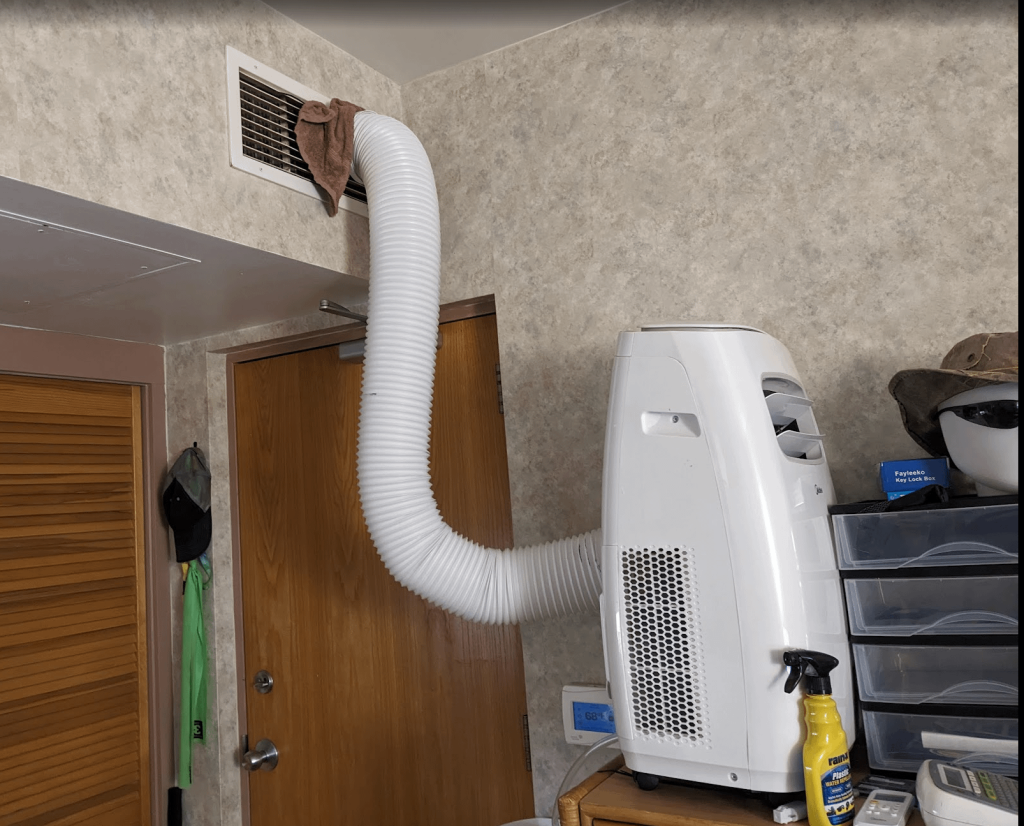
Are you wondering if you can vent your portable air conditioner into your attic? It sounds like a convenient idea—after all, the attic is out of sight and might seem like the perfect place to send hot air.
But before you start cutting holes or running hoses, there are important things you need to know. Venting your portable AC into the attic could cause hidden problems that affect your home’s comfort and safety. Keep reading to find out why this might not be the best choice and what options work better for you and your space.

Credit: www.greenwashingindex.com
How Portable Ac Venting Works
Portable air conditioners cool a room by moving hot air outside. They use a venting hose to push warm air out. This process keeps the inside air cooler and more comfortable.
The venting hose must lead to an open space outside, like a window or door. This stops hot air from staying inside and affecting the cooling.
Basic Venting Requirements
To vent a portable AC properly, you need to follow some rules. The vent hose must not be too long or bent sharply. This can block airflow and reduce cooling power.
- The vent must lead outside or to a well-ventilated area.
- Use proper window adapters to seal gaps around the vent hose.
- Keep the vent hose as straight and short as possible.
- Do not vent into spaces where heat can build up, like closed attics.
Types Of Portable Ac Units
There are two main types of portable air conditioners. Each type handles venting differently and affects where you can vent the hot air.
| Type | Venting Method | Suitable Venting Locations |
|---|---|---|
| Single-Hose Units | Uses one hose to expel hot air outside | Window, door, or outside wall |
| Dual-Hose Units | One hose pulls in air from outside; the other expels hot air | Window, door, or outside wall |
Credit: www.huffpost.com
Challenges Of Venting Into An Attic
Venting a portable air conditioner into an attic may seem like an easy solution. The attic is often out of sight and might appear to be a good place for exhaust. This article explores the challenges linked to this approach.
Understanding these challenges can help you decide if venting into the attic is safe and efficient for your air conditioner.
Heat Build-up Concerns
Attics often get very hot, especially during summer days. Venting hot air into this space adds more heat and can raise attic temperatures significantly.
- Higher attic temperatures can reduce the air conditioner’s efficiency.
- It can cause discomfort in rooms below the attic.
- Extra heat may stress attic materials and wiring.
- It can increase cooling costs for the whole house.
Moisture And Condensation Risks
Portable air conditioners release moist air as part of their venting process. When this moist air enters the attic, it can cause condensation on surfaces.
| Risk | Potential Damage |
| Condensation | Water stains, mold growth |
| Moisture build-up | Wood rot, insulation damage |
| Increased humidity | Decreased air quality |
Attic Insulation Impact
Venting hot and moist air into the attic can harm the attic’s insulation. Insulation works best when it stays dry and at stable temperatures.
- Moisture reduces insulation effectiveness.
- Heat can degrade insulation materials over time.
- Damaged insulation leads to higher energy bills.
Safety Considerations
Venting a portable air conditioner into an attic can cause safety problems. It is important to know the risks before doing it.
This section explains key safety concerns like fire hazards and ventilation rules.
Fire Hazards
Attics often have dry insulation and wood framing. Hot air or sparks from the air conditioner hose can start fires.
Moisture from the vent can also damage electrical wiring. This creates a risk of short circuits and fires.
- Make sure vent hoses do not touch flammable materials.
- Use fire-resistant vent pipes if possible.
- Check attic insulation for fire safety ratings.
- Keep the vent hose clear of dust and debris.
- Regularly inspect attic wiring for damage.
Ventilation Codes And Regulations
Building codes often regulate how portable AC units can be vented. Venting into an attic may violate these codes.
Proper ventilation prevents moisture buildup and air quality issues. Local rules might require venting outside the home.
- Check local building codes before venting into an attic.
- Some codes require venting directly outdoors.
- Permits might be needed for installation changes.
- Improper venting can lead to fines or failed inspections.
- Consult a professional if unsure about rules.

Credit: www.cnet.com
Alternatives To Attic Venting
Portable air conditioners need a way to release hot air outside. Venting into an attic can cause heat buildup and damage. Here are better ways to vent your portable AC unit.
These alternatives help keep your home cool and protect your attic from moisture and heat problems.
Window Venting Options
Venting through a window is the most common and simple method. Most portable AC units come with a window kit that fits most window types.
- Use the included window bracket to hold the vent hose securely.
- Close the window tightly around the bracket to prevent warm air from entering.
- Choose a window that is near the AC unit for easier hose connection.
- Check that the hose is straight and not kinked for better airflow.
Through-the-wall Venting
Through-the-wall venting requires installing a vent hole in an exterior wall. This option is more permanent and keeps the hot air outside without using windows.
This method often includes a vent cover and a hose adapter. It works well if you want a clean look without blocking windows.
Using Vent Kits
Vent kits come with different parts to help you direct hot air outside. These kits can fit windows, walls, or sliding doors.
| Vent Kit Type | Best Use | Key Features |
|---|---|---|
| Window Slide Kit | Single or double-hung windows | Adjustable panels, easy installation |
| Through-the-Wall Kit | Exterior wall installation | Durable vent cover, hose adapter |
| Sliding Door Kit | Patio or sliding glass doors | Expandable panels, secure fit |
Tips For Effective Venting
Venting a portable air conditioner into an attic requires careful planning. Proper venting helps the unit work well and keeps your home safe.
Here are some tips to make venting your portable air conditioner into the attic effective and efficient.
Proper Hose Length And Positioning
Keep the vent hose as short as possible. Long hoses reduce cooling efficiency and strain the air conditioner.
- Use a hose length recommended by the manufacturer.
- Avoid sharp bends or kinks in the hose.
- Position the hose so air flows easily to the attic vent.
- Keep the hose elevated to prevent water buildup inside.
Sealing And Insulating The Vent
Seal and insulate the vent area to stop warm air leaks and moisture problems.
| Task | Purpose |
| Seal gaps around the vent hose | Prevent air leaks |
| Insulate the hose | Keep cool air inside |
| Use weather-resistant tape | Ensure long-lasting seal |
| Check seals regularly | Maintain vent efficiency |
Regular Maintenance Practices
Keep the vent and air conditioner clean to avoid blockages and damage.
- Inspect the vent hose for cracks or leaks every month.
- Clean dust and debris from the hose and vent openings.
- Check attic vent area for moisture or mold.
- Replace damaged hoses or seals promptly.
- Run the air conditioner periodically to ensure proper venting.
Frequently Asked Questions
Can You Vent A Portable Ac Into An Attic?
Venting a portable AC into an attic is not recommended. Attics lack proper ventilation, leading to heat buildup. This can damage your air conditioner and increase attic temperatures, affecting energy efficiency. It’s best to vent through a window or external wall for optimal performance.
What Are The Risks Of Attic Venting?
Venting into an attic can cause heat accumulation, leading to potential damage. It may also increase attic temperature, affecting your home’s energy efficiency. Additionally, improper venting can lead to moisture buildup, which might cause mold growth. Always consult a professional for safe venting solutions.
How Does Attic Venting Affect Energy Efficiency?
Attic venting can decrease energy efficiency by trapping heat. This increases the temperature in your attic, making your AC work harder. Consequently, your energy bills may rise. Proper venting through a window or wall ensures better cooling and energy efficiency, saving you money in the long run.
Is Attic Venting Bad For Your Ac Unit?
Yes, attic venting can harm your AC unit. The trapped heat causes the unit to overwork, potentially leading to overheating or damage. This may shorten the lifespan of your air conditioner. Proper venting through recommended outlets ensures the longevity and efficiency of your AC unit.
Conclusion
Venting a portable air conditioner into an attic can cause problems. Heat and moisture may build up and damage the space. It can also reduce the AC’s efficiency. A better idea is to vent through a window or wall. Keep your home cool and safe by choosing the right venting option.
Think about the long-term effects before you decide. Proper venting helps your air conditioner work well and last longer.