Are tent caterpillars showing up in your yard? You might be wondering if these fuzzy insects are harmful or just a harmless nuisance.
Understanding whether tent caterpillars are bad can help you protect your trees and garden without unnecessary worry. You’ll discover what tent caterpillars really do, how they affect your plants, and what steps you can take to keep your outdoor space healthy.
Keep reading to find out if these tiny creatures are friends or foes for your garden.
Credit: globalnews.ca
Tent Caterpillar Basics
Tent caterpillars are insects known for their large silk nests. They live mainly in trees and shrubs.
People often ask if tent caterpillars are harmful to plants or homes. Learning about them helps answer this.
Appearance And Life Cycle
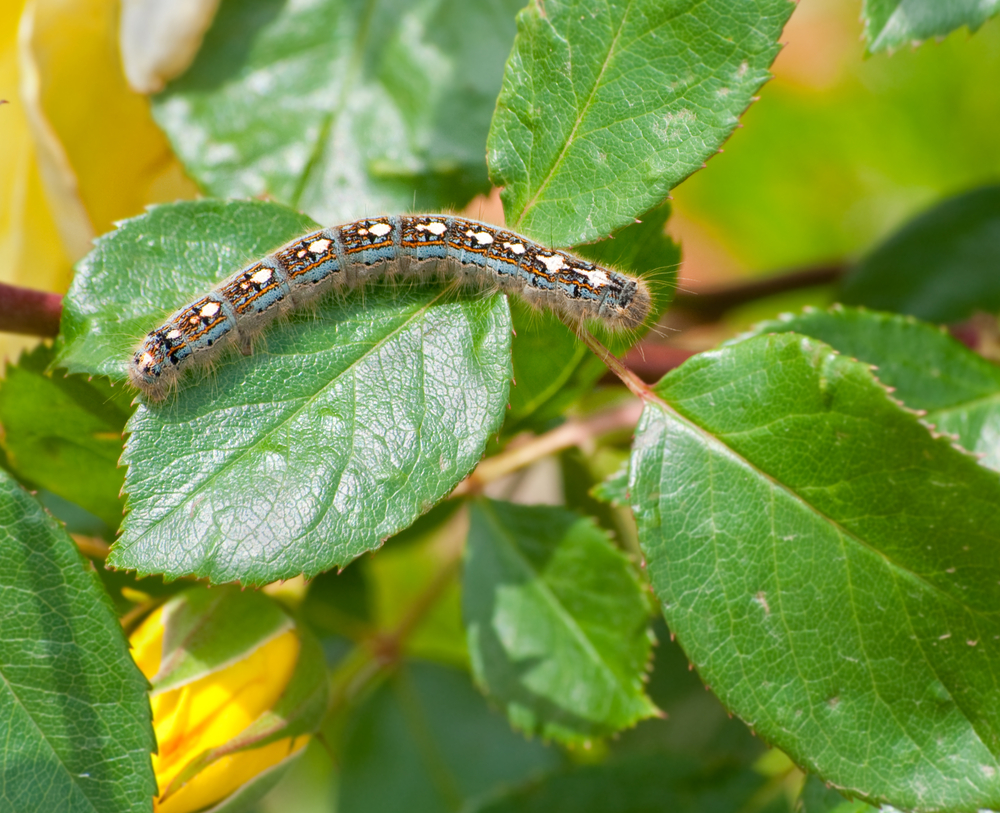
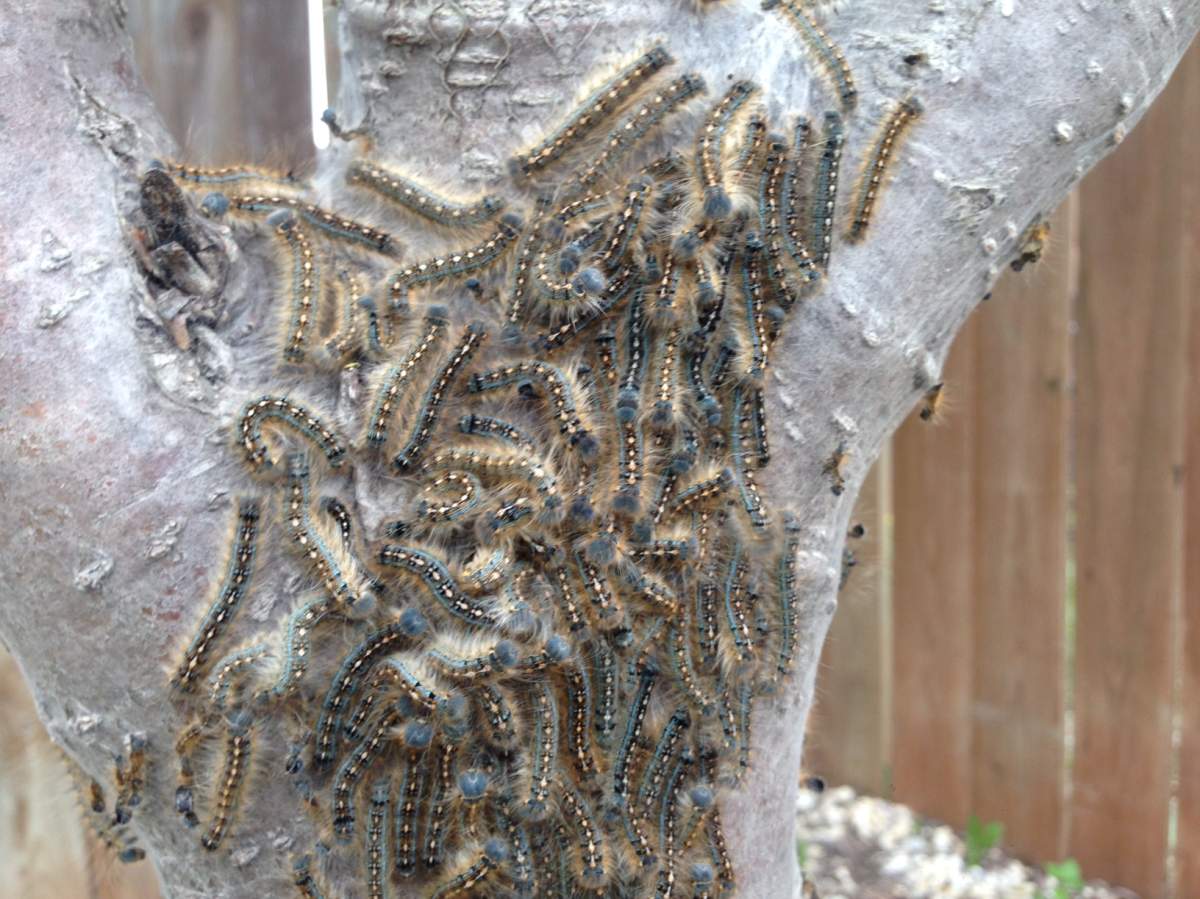
Tent caterpillars are hairy caterpillars with stripes running down their bodies. They build web-like tents in tree branches.
The life cycle starts with eggs laid on tree twigs. Caterpillars hatch in spring and grow inside their tents.
- Eggs hatch in early spring
- Caterpillars feed on leaves while living in tents
- They pupate and turn into moths by early summer
- Adult moths lay eggs to start the cycle again
Common Species
There are several common tent caterpillar species in North America. Each species prefers different types of trees.
Knowing the species helps understand their habits and effects on plants.
- Eastern Tent Caterpillar: Found in cherry and apple trees
- Western Tent Caterpillar: Lives mostly on oak trees
- Forest Tent Caterpillar: Prefers hardwood trees like maple and aspen
Impact On Trees
Tent caterpillars eat leaves from many types of trees. Their feeding can change how well trees grow and stay healthy.
These insects make tents in tree branches. They live inside and eat leaves around them. This can cause problems for the trees.
Defoliation Effects
Tent caterpillars remove leaves from trees, a process called defoliation. Leaves help trees make food from sunlight.
Without enough leaves, trees get less energy. This can slow their growth and make them weak. Trees may lose branches or die if defoliation happens many times.
- Leaves are food factories for trees
- Less leaves mean less food made
- Repeated leaf loss weakens trees
- Weak trees can lose branches or die
Tree Recovery Potential
Trees can often recover after tent caterpillar damage. They grow new leaves the next season to replace lost ones.
Strong, healthy trees usually bounce back well. Trees that are young or sick may struggle to recover and need help.
- New leaves grow after defoliation
- Healthy trees recover faster
- Young or sick trees recover slower
- Extra care may help weak trees
Environmental Role
Tent caterpillars play an important part in nature. They affect many living things around them. Understanding their role helps us see why they are not just pests.
These insects help keep the environment working well. They feed animals and keep the ecosystem in balance.
Food Source For Wildlife
Tent caterpillars are food for many birds and animals. They provide a rich source of protein. This helps young birds grow strong and healthy.
- Birds like orioles and cuckoos eat tent caterpillars
- Small mammals such as bats use them as food
- Predatory insects and spiders also hunt them
- Fish may eat caterpillars that fall near water
Ecosystem Balance
Tent caterpillars help balance tree growth by eating leaves. This controls how much trees grow each year. Their presence supports other plants and animals.
| Effect | Impact on Ecosystem |
|---|---|
| Leaf Consumption | Reduces tree leaf density, allowing sunlight to reach smaller plants |
| Food Web Support | Feeds many animals, supporting higher wildlife diversity |
| Population Control | Natural predators keep caterpillar numbers balanced |
Human Concerns
Tent caterpillars are common insects that live in trees. People often worry about how these bugs affect health and homes.
This article looks at two main concerns: allergies and damage to gardens.
Allergies And Skin Irritations
Tent caterpillars have tiny hairs that can cause skin problems. Some people get itchy or red spots after touching them.
- Hairs may cause rashes on skin
- People with allergies may cough or sneeze
- Eyes can become red or watery near caterpillars
- Children are more sensitive to irritation
It is best to avoid touching tent caterpillars to prevent these issues.
Damage To Gardens And Landscapes
Tent caterpillars eat leaves and can harm trees and plants. This damage can change how gardens and yards look.
| Type of Damage | Description |
| Leaf Loss | Leaves eaten cause bare branches |
| Weakened Trees | Less food for trees slows growth |
| Reduced Flowering | Plants bloom less after damage |
| Attracts Predators | Birds and insects come to eat caterpillars |
Regular checks and care help keep gardens healthy despite caterpillars.
Control Methods
Tent caterpillars can damage trees and plants by eating leaves. Controlling them helps protect your garden and trees. There are several ways to manage their population safely and effectively.
This guide covers natural predators, chemical treatments, and preventive measures to control tent caterpillars.
Natural Predators
Many animals eat tent caterpillars and help keep their numbers low. Birds like cuckoos and orioles feed on them. Insects such as wasps and beetles also act as natural hunters.
- Encourage birds by providing feeders and birdhouses
- Avoid using broad-spectrum insecticides that kill beneficial insects
- Plant flowers that attract predatory insects
Chemical Treatments
Chemical sprays can kill tent caterpillars, but they must be used carefully. Always follow the label directions and apply treatments early in the season when caterpillars are young.
| Chemical Type | Effect | Application Time |
| Bacillus thuringiensis (Bt) | Targets caterpillars only | Early spring |
| Carbaryl | Broad insecticide | When caterpillars appear |
| Spinosad | Organic option, kills caterpillars | Early infestation |
Preventive Measures
Preventing tent caterpillar outbreaks is easier than dealing with large infestations. Removing egg masses and keeping trees healthy reduces damage.
- Remove egg masses from tree branches in late winter
- Prune infested branches before caterpillars hatch
- Water and fertilize trees to improve their strength
- Use sticky bands on tree trunks to trap crawling caterpillars

Credit: www.reddit.com
Common Myths
Tent caterpillars often get a bad reputation. Many people think they are always harmful to trees and plants. This is not always true. There are several myths about these insects that need to be cleared up.
Understanding the facts about tent caterpillars can help you see their real impact. Let’s look at some common myths and the truth behind them.
Are They Always Harmful?
People believe tent caterpillars always damage trees badly. They do eat leaves, but this does not always kill the tree. Trees can grow new leaves after caterpillars leave. Usually, the damage is only temporary.
In fact, many trees survive caterpillar feeding without long-term harm. The trees are strong and can recover quickly. So, tent caterpillars are not always harmful pests.
Misconceptions About Their Spread
Some people think tent caterpillars spread very fast and take over entire forests. This is not true. Their populations rise and fall naturally over time. They do not spread uncontrollably every year.
Also, tent caterpillars only live on certain trees. They do not harm all types of plants. Their spread is limited by where their favorite trees grow.
- They mostly live on cherry, apple, and other fruit trees.
- They need specific leaves to eat and grow.
- Weather and natural predators help keep their numbers in check.
- They rarely cause permanent forest damage.

Credit: ca.news.yahoo.com
Frequently Asked Questions
Are Tent Caterpillars Harmful To Trees?
Tent caterpillars can defoliate trees, but they rarely cause long-term harm. Trees usually recover by growing new leaves. Their damage is primarily aesthetic. However, young or stressed trees might experience more severe impacts. Monitoring and management can help protect vulnerable trees from excessive defoliation.
Do Tent Caterpillars Bite Humans?
Tent caterpillars do not bite humans. They are harmless to people and pets. Their primary defense mechanism is their silk webs. These webs can be unsightly but pose no direct threat. Handling them might cause mild skin irritation in sensitive individuals.
How Do You Control Tent Caterpillars Naturally?
Natural control methods include removing egg masses and destroying webs. Encouraging natural predators like birds and beneficial insects helps too. Hand-picking caterpillars is effective for small infestations. Using insecticidal soap or neem oil can be an organic solution. Regular monitoring is crucial for timely intervention.
Are Tent Caterpillars Beneficial For The Ecosystem?
Tent caterpillars play a role in the ecosystem by serving as food for birds and other predators. They help control plant growth by pruning trees, which can stimulate new growth. Their presence indicates a balanced ecosystem. However, in large numbers, they can become a nuisance.
Conclusion
Tent caterpillars can harm trees by eating leaves fast. This damage may weaken trees but rarely kills them. They also provide food for birds and insects. Managing their numbers helps protect your garden. Watch trees closely during spring to catch problems early.
Simple steps can keep caterpillars under control. Nature often balances itself over time. Understanding tent caterpillars helps you decide what to do. Stay calm and act wisely for healthy plants.