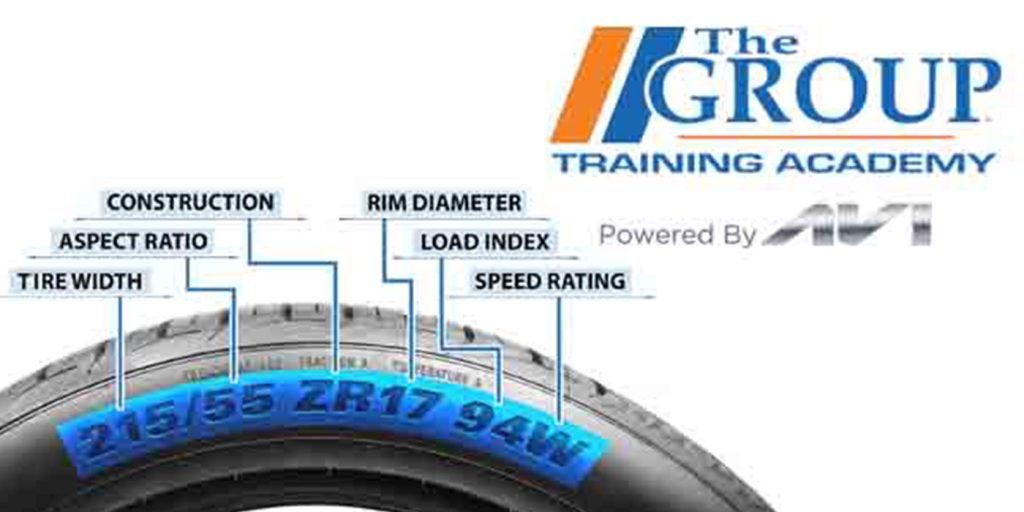
Have you ever looked at the side of your car’s tire and wondered what all those numbers and letters mean? You’re not alone.
Understanding how to read a tire size might seem like deciphering a secret code. But knowing this information is crucial. It helps you make informed decisions about tire replacements, ensures your vehicle’s safety, and even improves your driving experience. Imagine cruising down the road with confidence, knowing that you’ve chosen the perfect tire for your car.
In this guide, we’ll unravel the mystery of tire sizes, making it easy for you to understand and apply this knowledge. Stick around, because mastering this simple skill can save you time, money, and a lot of hassle in the future.
Tire Size Basics
Knowing how to read tire size helps you find the right tires for your car. Tires have numbers and letters that tell you their size and type.
This guide explains what these numbers mean and shows common tire size formats.
What Tire Numbers Mean
Tire size codes include width, aspect ratio, construction type, and diameter. Each part gives important information about the tire.
- Width:This is the tire’s width in millimeters from sidewall to sidewall.
- Aspect Ratio:This number shows the height of the sidewall as a percentage of the width.
- Construction:A letter tells you how the tire is built. “R” means radial construction.
- Diameter:This is the wheel size in inches the tire fits.
Common Tire Size Formats
Tire sizes appear in different formats. The most common format is Metric, but you may also see other types.
| Format | Example | Description |
| Metric | 205/55R16 | Width/Aspect Ratio/Construction/Diameter |
| Alphanumeric | P205/75R15 | Type/Width/Aspect Ratio/Construction/Diameter |
| Light Truck | LT245/75R16 | Light Truck/Width/Aspect Ratio/Construction/Diameter |
Locating Tire Size On Your Car
Knowing your tire size helps you buy the right tires. You can find this information in several places on your car.
This guide shows where to look for your tire size easily and quickly.
Checking The Sidewall
The easiest place to find the tire size is on the tire sidewall. It is printed in raised letters on the tire’s outer edge.
- Look for a series of numbers and letters, such as P215/65R15.
- This code shows the tire width, aspect ratio, and rim diameter.
- Check all tires, as sizes can vary on some cars.
Finding Size In The Owner’s Manual
Your car’s owner manual lists the correct tire size. This manual is a good source for exact information.
| Section | Details |
| Tire Specifications | Lists recommended tire sizes and pressures |
| Maintenance | Includes tips for tire care and replacement |
| Safety | Explains the importance of correct tire size |
Looking Inside The Door Frame
Open the driver’s side door and look at the door frame. A sticker or metal plate shows tire size and pressure.
| Label Item | Description |
|---|---|
| Tire Size | Shows the recommended tire size for your car |
| Cold Tire Pressure | Shows the pressure in PSI for front and rear tires |
| Load Capacity | Shows the maximum load your tires can carry |
Breaking Down Tire Size Components
Tire size shows important information about a car tire. You can learn about its width, height, and other details. This helps you pick the right tire for your vehicle.
Understanding tire size codes can seem hard. But breaking down each part makes it easy. Let’s look at the main parts of tire size numbers.
Width Measurement
The first number in a tire size shows the width in millimeters. It is the distance across the tire from sidewall to sidewall.
A wider tire means more contact with the road. This can improve grip and handling. For example, a tire marked 205 is 205 millimeters wide.
Aspect Ratio Explained
The aspect ratio is the second number in the tire size. It shows the height of the tire’s sidewall as a percentage of the width.
If the aspect ratio is 55, the sidewall height is 55% of the tire’s width. A lower number means a shorter sidewall and sportier look.
Wheel Diameter
The wheel diameter is the number after the aspect ratio. It tells the size of the wheel the tire fits. This size is in inches.
A tire size of 16 means the tire fits a 16-inch wheel. Choosing the right wheel diameter keeps your car safe and balanced.
Load Index And Speed Rating
The load index shows how much weight a tire can hold. It is a number usually after the wheel diameter. Higher numbers mean the tire can carry more weight.
The speed rating is a letter that follows the load index. It shows the highest speed a tire can safely handle. Letters like H or V represent different speed limits.
| Load Index | Max Load (lbs) | Speed Rating | Max Speed (mph) |
|---|---|---|---|
| 91 | 1356 | H | 130 |
| 94 | 1477 | V | 149 |
| 97 | 1609 | W | 168 |

Credit: www.cjponyparts.com
Reading Metric And Alphanumeric Codes
Tire sizes use codes to show important details. These codes help you find the right tire for your car. Two common types are metric and alphanumeric.
Understanding these codes keeps your car safe and improves driving. Let’s look at how to read both types.
Metric Tire Sizes
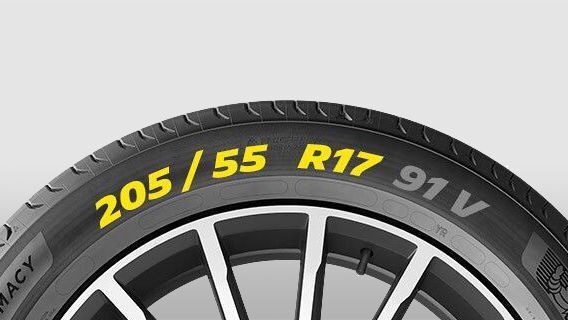
Metric tire sizes use numbers and letters to describe the tire’s width, aspect ratio, and diameter. This code looks like this: 205/55R16.
- 205– This is the tire width in millimeters.
- 55– This is the aspect ratio. It shows the tire’s height as a percentage of the width.
- R– This means the tire has radial construction.
- 16– This is the wheel diameter in inches that fits the tire.
These codes help you pick the right tire size for your car’s wheels and ensure a good fit.
Alphanumeric Tire Sizes
Alphanumeric tire sizes mix letters and numbers to describe tire width, aspect ratio, and rim size. They look like this: P215/75R15 or 7.50-15.
| Code | Meaning |
|---|---|
| P215/75R15 |
|
| 7.50-15 |
|
Tips For Accurate Tire Size Reading
Knowing how to read tire size helps you find the right tires for your car. It also ensures safety and good performance on the road.
Tire sizes can look confusing at first. This guide gives simple tips to read them correctly and avoid common errors.
Avoiding Common Mistakes
Many people make mistakes when reading tire sizes. These errors can cause wrong tire choices and unsafe driving.
- Do not guess the tire size; always check the numbers on the tire sidewall.
- Pay attention to letters and numbers, such as width, aspect ratio, and diameter.
- Ignore worn or faded markings; they can be hard to read and cause errors.
- Check both tires on the same axle to ensure they match in size.
- Remember that tire sizes vary by manufacturer; do not assume sizes are universal.
Using Online Tools And Apps
Online tools and apps can help you read tire sizes more easily. They provide detailed info and guidance.
| Tool Type | What It Does |
| Tire Size Calculators | Convert tire codes into clear size details. |
| Mobile Apps | Scan tire sidewalls and show size info instantly. |
| Compatibility Checkers | Match tire sizes to your vehicle model. |
| Replacement Finders | Suggest tires based on your current size. |

Credit: www.youtube.com
Why Tire Size Matters
Knowing your tire size is important for your car. It affects how your car drives and handles.
Using the right tire size keeps your vehicle safe and running well on the road.
Impact On Vehicle Performance
Tire size changes how your car feels when you drive. Larger tires can improve grip but may lower fuel efficiency.
Smaller tires may save gas but can reduce traction and handling in tough conditions.
- Correct tire size ensures smooth rides
- Affects speedometer accuracy
- Changes how brakes perform
- Impacts fuel consumption
Ensuring Safety And Compliance
Tire size helps keep your car safe on the road. Wrong sizes can cause accidents or damage.
Using the recommended tire size meets legal rules and keeps your insurance valid.
- Prevents tire rubbing on the wheel well
- Ensures proper load carrying
- Maintains correct vehicle height
- Meets manufacturer safety standards
Credit: www.michelin.ca
Frequently Asked Questions
What Do Tire Size Numbers Mean On My Car?
Tire size numbers indicate width, aspect ratio, and diameter. For example, “205/55R16” means 205 mm wide, 55% height, and 16-inch rim. Knowing this helps find the right tires for your vehicle’s performance and safety.
How To Find Tire Size On Car Tires?
Look on the tire sidewall for a series like “P215/65R15. ” This includes width, height ratio, and wheel diameter. Your car’s manual or door jamb sticker also lists the recommended tire size.
Why Is Reading Tire Size Important?
Reading tire size ensures you buy correct replacements. Proper size affects fuel efficiency, handling, and safety. Incorrect tires can damage your car or cause accidents.
Can I Use Different Tire Sizes On My Car?
Using different sizes can affect handling and safety. Always check your car manufacturer’s recommendations. Mixing tire sizes may cause uneven wear or damage.
Conclusion
Reading tire size is easier than it seems. Each number and letter tells you important information. Knowing tire size helps you pick the right tires. It keeps your car safe and running well. Check your tire size before buying new tires.
Understanding these details saves time and money. Now, you can read tire sizes with confidence. Keep this guide handy for future reference. Safe driving starts with knowing your tires. Simple steps lead to smarter car care.