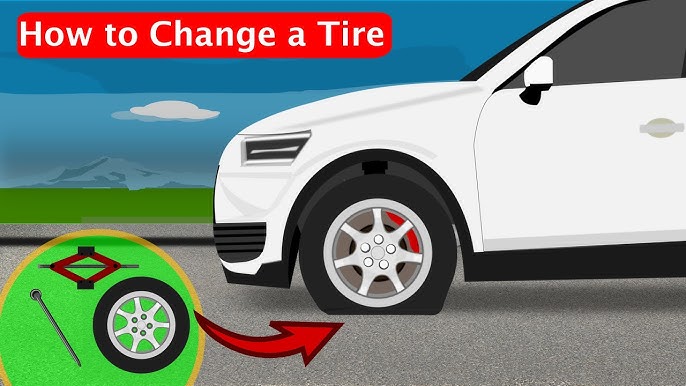
Imagine you’re driving and suddenly feel your car wobble—your tire is flat. It can be frustrating and stressful, especially if you don’t know what to do next.
But what if you could fix it quickly and safely, without waiting for help? In this guide, you’ll learn exactly how to change a flat tire step-by-step. By the end, you’ll feel confident and ready to handle this common problem anytime, anywhere.
Keep reading to take control of your car troubles and get back on the road fast!
Prepare Your Vehicle
Changing a flat tire requires careful preparation to stay safe. Before you start, get your vehicle ready properly.
This section guides you through important steps to prepare your vehicle for a tire change.
Find A Safe Spot
Look for a flat, stable place away from traffic. Avoid soft ground or hills. A parking lot or wide shoulder works best.
Make sure the spot lets you work without danger from passing cars.
Turn On Hazard Lights
Switch on your hazard lights to alert other drivers. This makes your vehicle visible and warns them you need help or space.
Gather Necessary Tools
Collect all tools before changing the tire. Having everything ready saves time and avoids mistakes.
- Spare tire
- Car jack
- Lug wrench
- Wheel wedges or blocks
- Owner’s manual
- Flashlight (if dark)
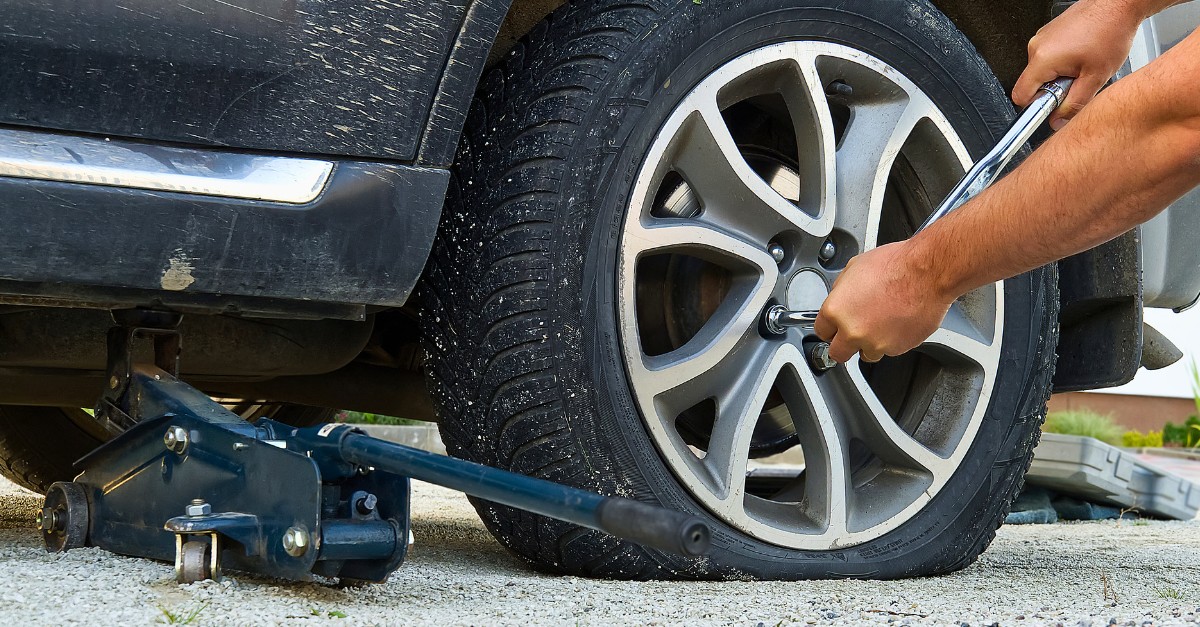
Credit: www.morisoninsurance.ca
Loosen The Lug Nuts
Loosening the lug nuts is the first step to removing a flat tire. It helps free the wheel so you can take it off.
You need the right tools and some strength. Doing this safely is important to avoid injury.
Use The Wrench Correctly
Use a lug wrench that fits your lug nuts well. A good fit helps you turn the nuts without slipping.
Place the wrench on the nut and push or pull it slowly. Use steady force to loosen the nuts.
- Turn the wrench counterclockwise to loosen
- Use your body weight if needed
- Keep the wrench straight to avoid damage
Loosen Without Removing
Loosen the lug nuts just enough to break them free. Do not take them off before lifting the car.
This keeps the wheel stable while you raise the car with a jack. It makes removing the nuts easier later.
- Turn each nut a few times
- Stop when you feel less resistance
- Leave the nuts on the wheel until it is raised
Lift The Car
Lifting the car is an important step when changing a flat tire. You need to raise the vehicle safely to remove the flat tire and install the spare.
Use the car jack carefully. Make sure the car stays steady while you lift it.
Position The Jack
Place the jack under the car at the right spot. Check your car manual to find the jack points. These spots are strong enough to hold the car’s weight.
Do not place the jack under the bumper or near the tire. Position it on the frame or metal part near the flat tire.
- Look for a notch or mark near the tire
- Use a flat and solid surface under the jack
- Keep the jack straight and stable
Raise The Vehicle Safely
Turn the jack handle slowly to lift the car. Raise the vehicle until the flat tire is off the ground. Make sure the car does not move while lifting.
Stop lifting if the car feels unstable. Secure the car with wheel chocks or blocks on the opposite tires to keep it from rolling.
- Lift the car enough to clear the flat tire
- Check the jack’s position often
- Do not put your body under the car
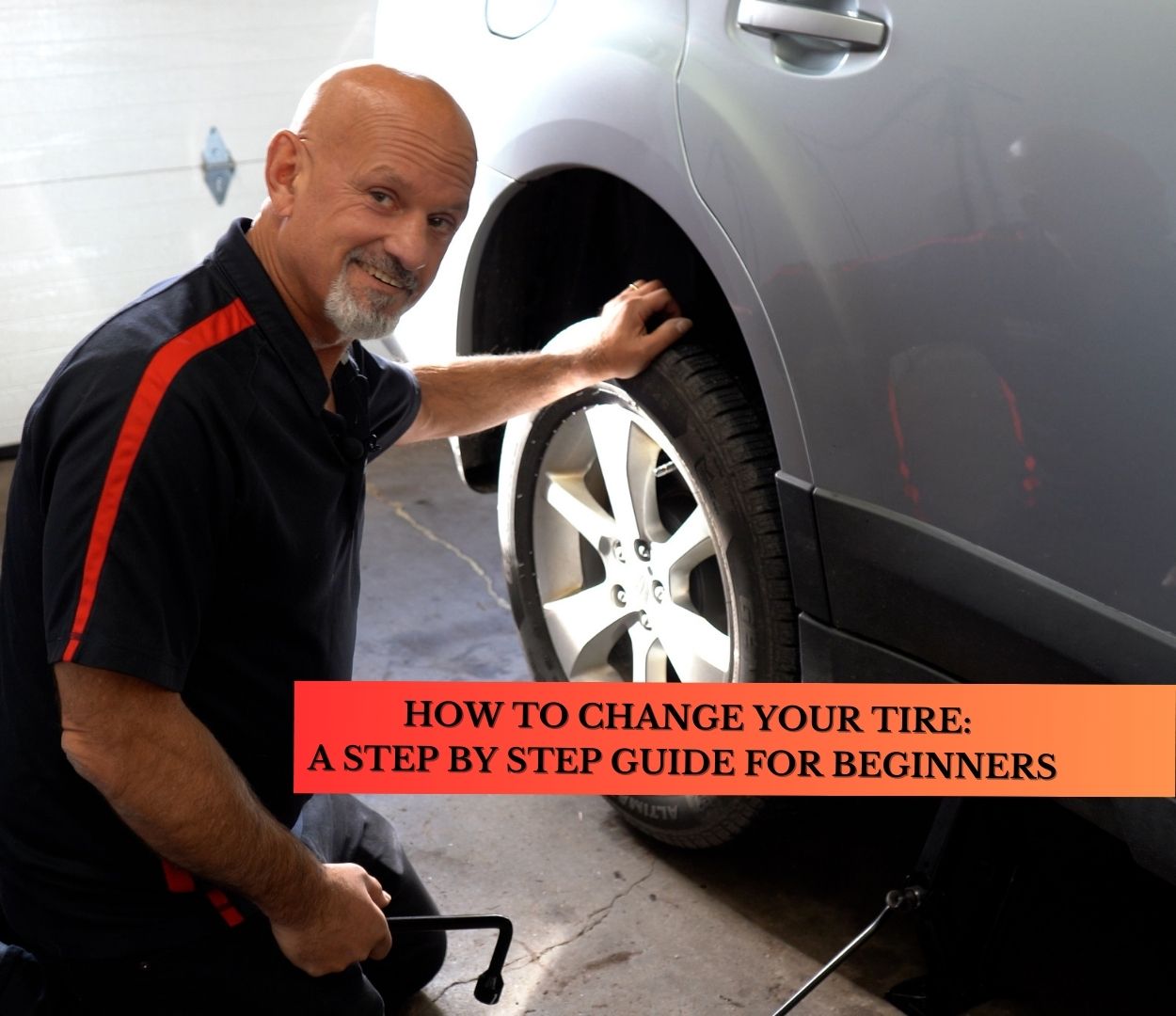
Credit: www.autocareplus.com
Remove The Flat Tire
Removing a flat tire is an important skill for every driver. It helps you change the tire safely and quickly.
This guide shows how to remove the flat tire step by step. Follow the instructions carefully for best results.
Unscrew The Lug Nuts
Start by loosening the lug nuts that hold the tire in place. Do not remove them completely yet.
- Use a lug wrench to turn each nut counterclockwise.
- Apply steady force to break the nuts free.
- Loosen all nuts about one or two turns.
- Do not remove the nuts while the tire is still on the ground.
Take Off The Tire
Once the lug nuts are loose, lift the tire off the car carefully. Make sure the car is stable before you remove the tire.
| Action | Details |
|---|---|
| Lift the car | Use a jack to raise the car until the tire is off the ground. |
| Remove lug nuts | Fully unscrew and set aside the lug nuts. |
| Pull tire off | Grab the tire firmly and pull it straight toward you. |
| Place tire aside | Put the flat tire in a safe spot to avoid damage. |
Install The Spare Tire
After removing the flat tire, you need to install the spare tire. This step is important to get your car moving again safely.
Follow the instructions carefully to place the spare tire on the wheel hub correctly.
Align The Spare Tire
Hold the spare tire near the wheel hub. Match the holes on the tire with the studs on the car.
Make sure the tire sits flat and fits well against the wheel hub before moving to the next step.
Tighten Lug Nuts By Hand
Start screwing the lug nuts onto the studs by hand. Turn them clockwise to tighten.
Hand-tighten all lug nuts before using a wrench. This keeps the tire in place and helps avoid cross-threading.
Lower The Car
After changing the tire, it is important to lower the car safely. This step helps you finish the process without harm or damage.
Use the jack carefully to bring the car down to the ground. Follow the instructions below to avoid accidents.
Use The Jack To Lower
Turn the jack handle slowly to lower the car. Make sure the tire touches the ground firmly before you stop.
- Rotate the jack handle in the opposite direction used to lift.
- Lower the car slowly and steadily.
- Watch the tire and jack for any sudden movements.
- Stop when the car rests on the ground completely.
Remove The Jack
Once the car is lowered, remove the jack carefully. Store it in the trunk or a safe place for future use.
| Action | Details |
| Check Stability | Ensure the car sits flat on the ground. |
| Release Jack | Turn the handle until the jack detaches from the car frame. |
| Store Jack | Place the jack back in its storage area securely. |
| Final Check | Verify the tire is tight and the car is stable. |
Secure The Lug Nuts
Securing the lug nuts is important to keep the tire safely attached to the car. Tightening them correctly prevents the wheel from wobbling or falling off. Take your time to do it right.
Use the right tools and follow the correct pattern to tighten the lug nuts evenly. This helps the tire sit properly on the hub.
Tighten In A Star Pattern
Always tighten the lug nuts in a star or crisscross pattern. This ensures even pressure on the wheel and avoids warping the brake rotor or wheel hub.
- Start with any lug nut and tighten it lightly.
- Move to the lug nut opposite the first one and tighten it.
- Continue to the next opposite lug nut and tighten.
- Repeat the pattern until all lug nuts are snug.
- Do not fully tighten any lug nut until all are snug.
Double Check Tightness
After tightening in the star pattern, double check each lug nut’s tightness. This step ensures the wheel is secure and safe to drive on.
| Action | Tool Needed | Tip |
| Check each lug nut | Lug wrench or torque wrench | Use firm pressure, but do not over-tighten |
| Final tightening | Torque wrench (if available) | Follow car’s manual torque specs |
| Inspect wheel fit | Visual check | Wheel should sit flush against hub |
Final Safety Checks
After changing a flat tire, you must do final safety checks. These checks help ensure you can drive safely.
Taking a few minutes now can prevent accidents or damage later. Focus on storing your tools, checking tire pressure, and driving carefully.
Store Flat Tire And Tools
Put the flat tire and tools back in your car properly. Secure the tire to stop it from moving while driving.
Keep all tools like the jack, lug wrench, and spare tire in their places. This keeps your car organized and safe.
- Place the flat tire in the trunk or tire well
- Put tools back in their storage spots
- Make sure nothing is loose or rattling
Check Tire Pressure
Use a tire pressure gauge to check the spare tire’s pressure. The right pressure is important for safe driving.
If the pressure is low, add air at the nearest gas station. Driving on a low-pressure tire can be dangerous.
- Find the recommended tire pressure on the car door sticker
- Check the spare tire pressure carefully
- Inflate the tire if needed before driving
Drive Carefully To Service
Drive slowly and carefully to the nearest tire shop or service center. Spare tires are not made for long trips or high speeds.
Avoid sudden stops and sharp turns. Watch for any unusual noises or vibrations as you drive.
- Keep speed under 50 mph (80 km/h)
- Drive smoothly without sharp moves
- Go directly to a tire repair or replacement center

Credit: m.youtube.com
Frequently Asked Questions
How Do You Safely Change A Flat Tire?
To safely change a flat tire, first park on a flat surface. Engage the parking brake and use wheel wedges. Then, loosen the lug nuts before lifting the vehicle with a jack. Replace the tire and tighten the lug nuts.
Ensure all steps are done carefully to avoid accidents.
What Tools Do I Need To Change A Tire?
To change a tire, you’ll need a lug wrench and a car jack. A spare tire is essential, along with wheel wedges for safety. It’s also helpful to have a flashlight, gloves, and a reflective vest for visibility. Ensure all tools are in good condition before starting.
Can I Change A Tire Without A Jack?
Changing a tire without a jack is not recommended. A jack lifts the vehicle, allowing you to remove and replace the tire safely. Without it, you risk injury and vehicle damage. Always carry a functional jack and familiarize yourself with its use for emergencies.
How Long Does It Take To Change A Tire?
Changing a flat tire typically takes 15 to 30 minutes. The time depends on your experience and preparedness. Familiarizing yourself with the process can make it quicker. Ensure you have all necessary tools and follow safety precautions to ensure a smooth and efficient tire change.
Conclusion
Changing a flat tire is easier than many think. Keep your tools ready in the car. Follow the steps carefully and stay safe. Practice helps build confidence for any trip. Know your car’s jack points and tire type. Don’t rush; take your time to avoid mistakes.
This skill saves time and money on the road. Everyone can learn to handle a flat tire. Stay calm and act with clear focus. Being prepared makes all the difference in emergencies.