Is your air conditioner leaking cool air and driving up your energy bills? You’re not alone.
Many people don’t realize that sealing your air conditioner properly can save you money and keep your home comfortable all year long. Imagine feeling the cool breeze exactly where you want it, without wasting energy or money. You’ll discover simple, step-by-step ways to seal your air conditioner effectively.
By the end, you’ll have the tools and confidence to fix leaks that might be costing you more than you think. Ready to make your air conditioner work smarter, not harder? Let’s dive in.

Credit: www.walmart.com
Why Seal Your Air Conditioner
Sealing your air conditioner keeps your home comfortable. It stops air leaks that waste energy.
Proper sealing helps your air conditioner work well and last longer.
Energy Loss And Costs
Air leaks cause your air conditioner to work harder. This raises your energy bills.
- Leaky ducts lose cool air before it reaches rooms
- More energy is needed to keep the house cool
- Sealing reduces wasted energy and lowers costs
Improved Cooling Efficiency
Sealing stops air from escaping or entering the system. This keeps cooling steady.
| Benefit | Effect |
| Less Air Leakage | Better cooling power |
| Stable Temperature | Comfortable rooms |
| Less Wear | Longer system life |
Preventing Moisture And Mold
Leaks let moisture enter the system. Moisture causes mold and damage.
Sealing your air conditioner helps:
- Keep moisture out
- Stop mold growth
- Protect indoor air quality
- Maintain system parts

Credit: www.amazon.com
Common Air Conditioner Leaks
Air conditioner leaks reduce cooling power and increase energy costs. Finding and sealing leaks helps save money and keeps your home comfortable.
Leaks happen in different parts of the air conditioner system. Knowing where leaks appear makes it easier to fix them properly.
Ductwork Gaps
Ductwork carries cool air from the air conditioner to rooms. Gaps or holes in ducts let air escape before reaching the rooms.
Common causes of duct leaks include poor connections and damage from wear or pests. Sealing these gaps improves airflow and lowers energy use.
- Look for loose joints and seams in ducts
- Use foil tape or mastic sealant to close gaps
- Inspect ducts regularly for holes or tears
Window Unit Seals
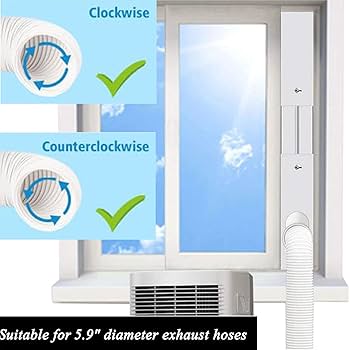
Window air conditioners need tight seals to stop air leaks around the unit. Gaps let outside air in and cooled air out.
Check the foam or rubber gasket around the unit. Replace worn or cracked seals to keep the unit snug and airtight.
- Use weatherstripping to fill small gaps
- Install foam seal kits made for window units
- Make sure the window locks tightly around the unit
Through-the-wall Units
Through-the-wall air conditioners pass through a wall opening. Poor sealing around the unit creates air leaks.
Use expanding foam or caulk to fill gaps between the unit and wall. This prevents drafts and keeps cool air inside.
- Check for cracks or holes around the unit frame
- Apply silicone caulk to small cracks
- Use spray foam for larger gaps and cavities
Tools And Materials Needed
Sealing your air conditioner properly keeps your home cool and saves energy. You need the right tools and materials for a good job. This guide covers what you need to get started.
Focus on sealants, tapes, foam insulation, and basic hand tools. Each plays a key role in making sure no air escapes.
Sealants And Tapes
Sealants and tapes block air leaks around your air conditioner. Use materials that stick well and resist weather damage. Common types include silicone caulk and aluminum foil tape.
- Silicone caulk for sealing gaps and cracks
- Aluminum foil tape for duct joints
- Weatherstripping tape for window seals
- Butyl tape for flexible, strong seals
Foam Insulation
Foam insulation fills bigger gaps and stops air from leaking. It expands to fit spaces and hardens to block air. Spray foam is popular for uneven or large openings.
| Type of Foam | Use | Drying Time |
| Spray foam | Large or irregular gaps | 15 minutes |
| Foam tape | Small cracks and edges | Instant |
| Foam panels | Cover larger flat areas | Varies |
Basic Hand Tools
Basic hand tools help you apply sealants and tapes correctly. They make the job easier and cleaner. Keep these tools ready before starting.
- Utility knife to cut tapes and foam
- Caulking gun for sealant tubes
- Putty knife to smooth sealants
- Measuring tape to check gaps
- Gloves to protect your hands
Step-by-step Sealing Process
Sealing your air conditioner keeps it working well and saves energy. This guide shows how to seal it in simple steps.
Follow each step carefully to find leaks and seal them properly. Use the right tools and materials for the best result.
Inspecting For Leaks
Start by checking your air conditioner for any leaks. Look around the unit, ducts, and connections for gaps or holes.
- Turn off the air conditioner
- Look for cracks or loose parts
- Feel for air escaping around joints
- Use a flashlight to see inside ducts
- Mark all areas with leaks
Cleaning Surfaces
Clean all surfaces before sealing. Dirt and dust stop the sealant from sticking well.
- Remove dust with a dry cloth
- Use mild soap and water for sticky dirt
- Dry the surfaces completely
- Check again for any leftover debris
Applying Sealant
Choose a sealant made for air conditioners. Apply it to all leaks and gaps you found.
- Cut the sealant tube tip to fit the gap size
- Use a caulking gun to apply a steady bead
- Cover all cracks fully without gaps
- Press sealant into joints for better hold
- Let the sealant dry as per instructions
Securing Duct Joints
Duct joints often leak air. Use metal tape or clamps to secure them tightly.
| Material | Use |
| Metal foil tape | Wrap around duct seams |
| Duct clamps | Tighten loose duct connections |
| Foam weatherstripping | Fill small gaps at joints |
Sealing Window And Wall Units
Window and wall air conditioners have extra spots to seal. Focus on gaps around the frame and vents.
Steps for sealing window and wall units:
- Remove old weatherstripping if damaged
- Apply new weatherstripping around the unit frame
- Use expanding foam to fill large gaps
- Seal edges with silicone caulk
- Check for air leaks after sealing
Tips For Maintaining Sealed Systems
Sealing your air conditioner well helps it work better and last longer. Keeping the system sealed stops air leaks and saves energy.
Regular care and checks keep the seals tight. Use simple steps to maintain your sealed air conditioner system.
Regular Inspections
Check your air conditioner seals often. Look for cracks, gaps, or loose parts. Early spotting can stop bigger problems.
- Inspect seals on doors and panels
- Look for signs of wear or damage
- Listen for unusual sounds from leaks
- Check for moisture or rust near seals
Replacing Worn Seals
Old seals lose their strength and let air escape. Replace any seal that looks cracked or misshapen. Use the right seal type for your model.
| Seal Type | Use | Replacement Time |
| Foam Gasket | Panel edges | Every 1-2 years |
| Rubber Seal | Door frames | Every 2-3 years |
| Silicone Seal | High-temp areas | Every 3-4 years |
Professional Maintenance
Hire a technician to check your AC system at least once a year. They use tools to find leaks you may miss and fix seals safely.
- Detect hidden leaks
- Use proper sealants and tools
- Ensure system efficiency
- Extend air conditioner lifespan

Credit: www.walmart.com
Benefits Beyond Energy Savings
Sealing your air conditioner helps save energy. It also brings other important benefits. These benefits improve your home environment and the AC system itself.
Understanding these benefits can help you see why sealing is a smart choice. It goes beyond just lowering your bills.
Enhanced Indoor Air Quality
Sealing your air conditioner stops dust and allergens from entering your home. This keeps the air cleaner and healthier to breathe.
- Reduces dust buildup on furniture and floors
- Prevents pollen and outdoor pollutants from coming inside
- Lowers chances of allergy and asthma triggers
Longer Equipment Lifespan
Proper sealing protects your air conditioner parts. It reduces wear and tear on the system.
| Cause | Effect on Equipment |
| Air leaks | Force AC to work harder |
| Dust and debris | Damage internal parts |
| Moisture intrusion | Cause rust and corrosion |
| Proper sealing | Prevents damage and extends life |
Increased Comfort
Sealing stops cold or warm air from escaping. This keeps your home temperature steady.
It also prevents drafts and hot spots that make rooms uncomfortable. Proper sealing means your AC cools or heats evenly.
- Seal gaps around vents and ducts
- Check for leaks in doors and windows
- Use weather stripping where needed
Frequently Asked Questions
What Tools Are Needed To Seal An Ac?
To seal an air conditioner, you’ll need a screwdriver, duct tape, foam sealant, and weatherstripping. These tools help in sealing gaps and ensuring efficiency. Proper sealing prevents air leaks and enhances the performance of your AC unit.
How Often Should Ac Seals Be Checked?
AC seals should be checked annually, preferably before summer. Regular checks ensure that your AC operates efficiently. Inspecting seals helps identify leaks that may increase energy consumption and reduce cooling effectiveness.
Can I Seal My Ac Myself?
Yes, you can seal your AC yourself with the right tools. It’s a simple process involving checking for gaps and applying sealant. Ensure you follow the manufacturer’s guidelines for best results and improved AC efficiency.
What Are The Benefits Of Sealing An Ac?
Sealing an AC improves energy efficiency and reduces electricity bills. It prevents cool air from escaping and maintains consistent indoor temperatures. Proper sealing also prolongs the lifespan of your AC unit by reducing strain on its components.
Conclusion
Sealing your air conditioner saves energy and lowers bills. It keeps your home cooler and more comfortable. Small gaps let cool air escape and warm air in. Use weatherstripping or sealant to close these gaps tightly. Check for leaks regularly to maintain efficiency.
A well-sealed AC helps the environment too. Take simple steps today for better cooling tomorrow. Your efforts will pay off with savings and comfort. Easy and smart—seal your air conditioner now!