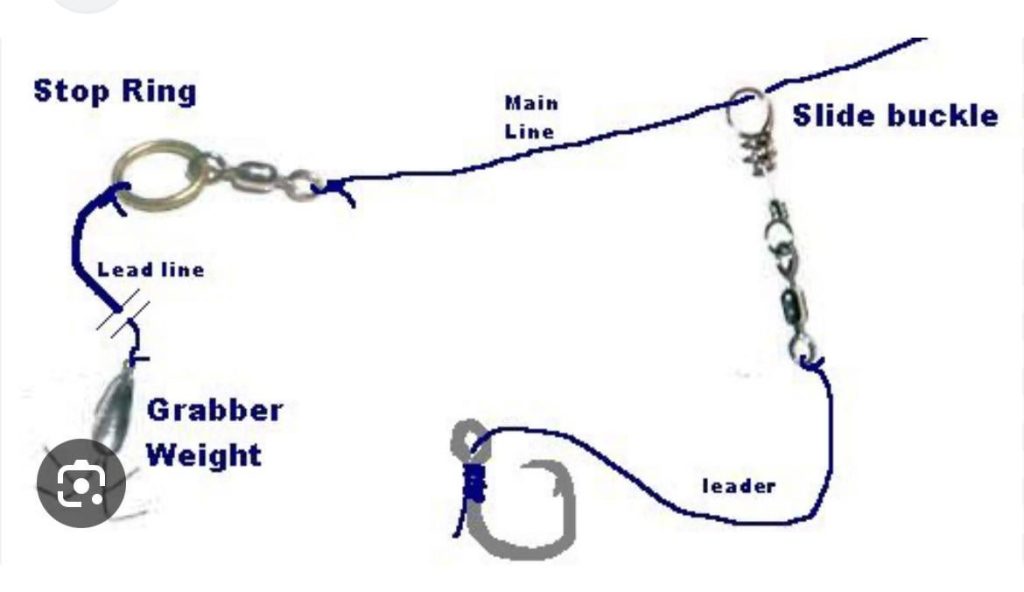
Are you struggling to get your bait to the right spot in the water? Knowing how to attach a weight to a fishing line can make all the difference in your fishing success.
Whether you’re a beginner or just need a quick refresher, mastering this simple skill will help your bait sink faster and stay where you want it. In this guide, you’ll learn easy, step-by-step methods to secure weights that improve your casts and increase your chances of catching fish.
Keep reading, and soon you’ll be fishing smarter, not harder.

Credit: www.youtube.com
Choosing The Right Weight
Attaching the correct weight to your fishing line helps you cast better and reach the right depth. Choosing the right weight depends on the type of fishing and water conditions.
This guide explains common types of fishing weights and important factors to consider before selecting one.
Types Of Fishing Weights
Fishing weights come in many shapes and sizes. Each type serves a specific purpose to improve your fishing experience.
- Split Shot:Small, round weights that pinch onto the line. Good for light fishing and controlling bait depth.
- Egg Sinkers:Oval-shaped weights with a hole through the center. They slide on the line and reduce line twist.
- Bullet Weights:Shaped like a bullet, these are used for casting and fishing in heavy cover.
- Bank Sinkers:Heavier and shaped like a teardrop. They help hold your bait in strong currents.
- Pyramid Sinkers:Shaped like a pyramid. Ideal for surf fishing because they dig into the sand.
Factors To Consider
Pick a weight based on water depth, current strength, and the type of fish you want to catch. Also, consider the rod and line you use.
| Factor | Description |
| Water Depth | Deeper water needs heavier weights to reach the bottom quickly. |
| Current Strength | Strong currents require heavier weights to keep bait steady. |
| Target Fish | Large fish may need heavier weights for stronger rigs. |
| Rod and Line Strength | Match the weight to your gear to avoid breakage. |
Credit: www.beadinggem.com
Preparing Your Fishing Line
Attaching a weight to your fishing line helps the bait sink deeper. Preparing your line well makes fishing easier and more effective.
Before adding the weight, check your line to avoid breaks. Proper preparation keeps your gear strong and ready.
Selecting The Line Section
Choose a part of the line that is smooth and free of knots. Avoid old or damaged sections to prevent line breaks.
Pick a section close to the hook or lure. This helps keep the weight in the right place for better fishing.
- Look for clear, undamaged line
- Choose a section near your hook
- Avoid areas with twists or knots
Checking Line Strength
Test the line strength by gently pulling on it. If it feels weak or frays, replace that section before attaching weight.
Strong line holds the weight better and prevents losing your catch. Always use a line that matches your fishing needs.
- Pull gently to test strength
- Look for frays or damage
- Use a line rated for your target fish
Common Attachment Methods
Attaching weights to a fishing line helps control depth and bait movement. Different weights suit different fishing needs and water conditions.
This guide covers three common ways to attach weights: split shot weights, egg sinkers, and bank sinkers. Each method has a simple technique to follow.
Using Split Shot Weights
Split shot weights are small, round pieces of lead with a split for pinching onto the line. They are easy to add or remove and allow for quick adjustments.
- Pinch the split shot weight onto the fishing line at the desired spot.
- Use pliers to close the split tightly around the line.
- Place the weight about 6 to 12 inches above the hook.
- Check that the weight is secure but does not damage the line.
Attaching Egg Sinkers
Egg sinkers are oval-shaped weights with a hole through the center. They slide freely on the line and are often used with a swivel.
| Step | Instruction |
|---|---|
| 1 | Thread the line through the hole in the egg sinker. |
| 2 | Attach a swivel below the sinker to prevent line twist. |
| 3 | Tie your hook to the end of the line. |
| 4 | Adjust the sinker position by sliding it closer or farther from the hook. |
Securing Bank Sinkers
Bank sinkers are heavy, teardrop-shaped weights with a hole at the top. They attach directly to the line and hold bait steady in currents.
- Pass the fishing line through the hole at the top of the bank sinker.
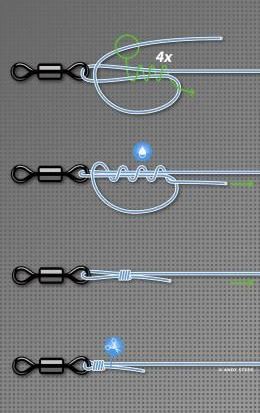
- Tie a strong knot below the sinker to keep it in place.
- Use a clinch knot or improved clinch knot for security.
- Make sure the knot is tight to avoid slipping.
Step-by-step Attachment Guide
Attaching a weight to a fishing line helps your bait sink to the right depth. This guide shows easy steps to do it correctly.
Follow each part carefully to make sure the weight stays on and your fishing is successful.
Positioning The Weight
Place the weight on the fishing line where you want the bait to sink. Usually, it is a few feet above the hook. This helps the bait move naturally in the water.
- Choose the spot on the line based on water depth.
- Slide the weight gently onto the line.
- Leave enough space between the weight and the hook.
Pinching Or Tying Techniques
Secure the weight using the right method. Some weights can be pinched; others need to be tied on. Use the method that fits your weight type.
| Weight Type | Attachment Method | Tip |
|---|---|---|
| Split Shot | Pinch with pliers | Pinch gently to avoid breaking the line |
| Egg Sinkers | Thread onto line | Use a swivel to prevent twisting |
| Bullet Weights | Slide and tie with knot | Use a strong knot like Palomar |
Testing The Connection
Check that the weight is attached firmly. A loose weight can fall off and spoil your fishing.
- Pull the line gently to feel if the weight moves.
- Shake the line softly to test the hold.
- Look for any damage or weakness near the weight.
Tips For Effective Weight Use
Adding weight to your fishing line helps you cast farther and reach deeper water. Using the right weight improves your fishing experience.
Choosing and attaching weights correctly keeps your line strong and balanced. Follow these tips for better results.
Adjusting Weight For Conditions
Change your weight depending on water depth, current, and wind. Heavier weights work better in strong currents or deep water.
Lighter weights are best for calm water and shallow fishing spots. Test different weights to find what works best.
- Use heavier weights in fast water
- Choose lighter weights for still water
- Adjust weight to match bait size and type
Avoiding Line Damage
Attach weights gently to avoid weakening your fishing line. Use knots that do not cut into the line fibers.
Check your line regularly for damage near the weight. Replace or retie if you see frays or cuts.
- Use slip or egg sinkers to reduce line stress
- Check knots carefully and retie if loose
- Keep weights away from sharp objects
Maintaining Balance
Balance the weight with your bait and hook to keep a natural bait movement. Too much weight can scare fish away.
Adjust the distance between the weight and bait to improve balance. This helps your bait look alive in the water.
- Keep weight close but not touching the bait
- Use split shot weights for fine adjustments
- Test bait movement before casting
Troubleshooting Common Issues
Attaching a weight to a fishing line can sometimes cause problems. These issues affect your fishing experience.
Knowing how to fix these common problems helps you fish better and avoid frustration.
Weight Slipping Off
The weight may slip off if it is not tied correctly or the knot is loose. This causes the weight to fall during casting.
Check the knot and retie it tightly to keep the weight secure on the line.
- Use strong knots like the Palomar or improved clinch knot
- Wet the knot before tightening to prevent damage
- Trim excess line close to the knot
Line Weakening
Tying a weight incorrectly can weaken the fishing line. Weak spots can cause the line to break easily.
Always use proper knots and avoid sharp bends to keep your line strong.
- Do not over-tighten knots to avoid cutting the line
- Use knots that distribute pressure evenly
- Check your line regularly for damage or wear
Casting Problems
Poor casting can happen if the weight is too heavy or attached wrong. This affects distance and accuracy.
Balance the weight size with your rod and line for smooth casting.
- Choose weight size suitable for your fishing rod
- Tie the weight close to the hook or swivel
- Practice casting to improve your technique

Credit: mysterytacklebox.com
Frequently Asked Questions
How Do You Choose The Right Weight For Fishing?
Choosing the right weight depends on fishing conditions. Consider water depth, current strength, and your target fish. Heavier weights are ideal for deeper waters and strong currents. Lighter weights work best in shallow, calm waters. Always match the weight with your fishing line and rod for optimal performance.
What Types Of Fishing Weights Are Available?
Fishing weights come in various types like split shot, bullet, and egg sinkers. Split shot weights are versatile and easy to use. Bullet weights are ideal for weedless setups. Egg sinkers are perfect for bottom fishing. Choose based on your fishing technique and environment.
How Do You Attach A Weight To A Fishing Line?
To attach a weight, slide it onto the line above the hook. Secure it using a knot or a swivel. For split shot weights, crimp them onto the line with pliers. Ensure the weight is fastened tightly to avoid slipping during casting and retrieval.
Can You Use Multiple Weights On A Fishing Line?
Yes, using multiple weights is possible for better control and casting distance. This technique is known as a “Carolina rig” or “drop shot rig. ” It allows your bait to move naturally. Adjust the weight positioning based on water conditions and your fishing strategy.
Conclusion
Attaching a weight to your fishing line helps your bait sink properly. Use a simple knot to tie the weight firmly. Check the knot to avoid losing your gear. Adjust the weight size based on water depth and current. Practice this skill to fish with more control and success.
Remember, patience and care make fishing more enjoyable. Try these steps next time you go fishing. Catching fish becomes easier with the right setup. Keep your gear ready and enjoy your time by the water.