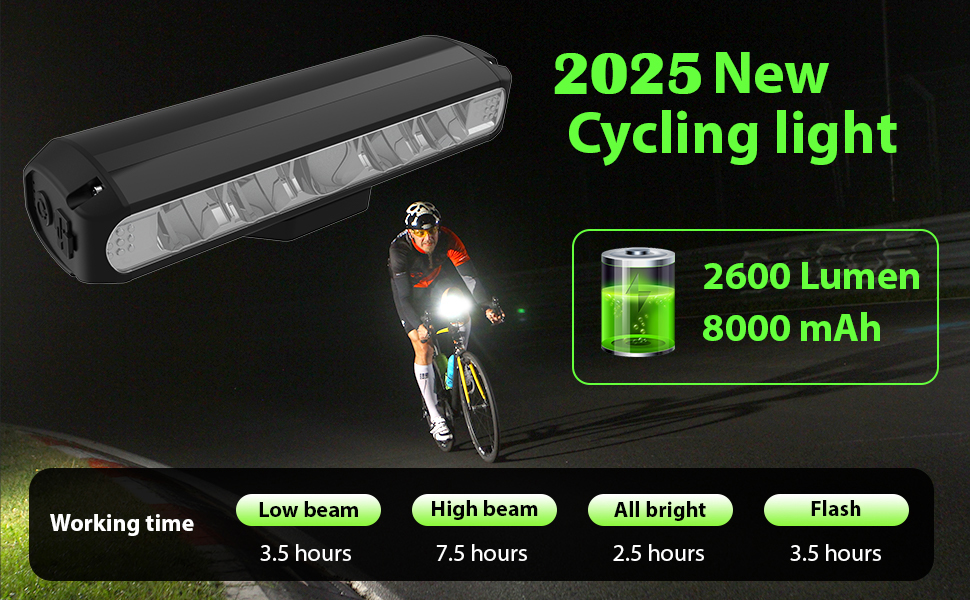
Choosing the right bike light can be confusing, especially when you see numbers like lumens thrown around. You might wonder, how many lumens do you really need to stay safe and see clearly on your rides?
Picking the perfect brightness isn’t just about having the strongest light—it’s about matching your needs and riding conditions. Keep reading, and you’ll discover exactly how to find the ideal lumen level for your bike light, so you can ride confidently day or night.

Credit: www.amazon.com
Choosing Lumens For Daytime Riding
Choosing the right lumens for your bike light helps keep you safe during daytime rides. Bright lights make you more visible to drivers and pedestrians.
Daytime riding needs different brightness than night riding. You want enough light to stand out without wasting battery power.
Recommended Brightness Levels
For daytime riding, 200 to 500 lumens usually work well. This range lets others see you clearly in daylight.
Using too few lumens makes you hard to notice. Too many lumens can be too bright and drain your battery fast.
- 200–300 lumens: Good for quiet streets and bike paths
- 300–500 lumens: Best for busy roads and urban riding
- Above 500 lumens: Rarely needed for daytime use
Balancing Visibility And Battery Life
Bright lights improve safety but use more battery power. Choose a lumen level that fits your ride length.
Lower brightness saves battery for long trips. Higher brightness is good for short rides in traffic.
- Use medium brightness for rides lasting over one hour
- Use higher brightness for short rides or heavy traffic
- Turn off or lower brightness when stopped to save power

Credit: www.amazon.com
Lumens For Night Riding
Choosing the right bike light brightness helps you see clearly at night. Lumens measure how much light the lamp gives off. Picking the right lumen level keeps you safe on dark roads and trails.
Too little light makes it hard to spot obstacles. Too much light can blind other riders or drivers. Knowing the right lumen count helps you find a good balance.
Minimum Brightness For Safety
For safe night riding in well-lit areas, a bike light should have at least 100 lumens. This level helps you be seen by cars and other cyclists. It also lets you see the road directly ahead.
- 100 to 200 lumens: Good for city streets with street lights
- 200 to 400 lumens: Ideal for suburban roads with some dark spots
- Below 100 lumens: Not recommended for night riding
High-powered Lights For Dark Roads
Riding on unlit roads or trails needs stronger lights. High-powered lights help you see far ahead and spot hazards early. They also increase your visibility to others.
| Lumens | Best Use |
| 400-600 | Dark suburban roads, rough terrain |
| 600-1000 | Very dark trails, off-road riding |
| 1000+ | Extreme darkness, mountain biking |
Types Of Bike Lights And Their Brightness
Bike lights help you see and be seen while riding. Different lights have different brightness levels measured in lumens.
Choosing the right brightness depends on where and how you ride. Here are common types of bike lights and their lumen ranges.
Front Lights
Front lights show the road ahead and make you visible to others. They need enough brightness for safe riding at night.
Brightness for front lights varies by use:
- Low brightness (100-200 lumens): Best for city streets with street lights.
- Medium brightness (300-600 lumens): Good for suburban or lightly lit roads.
- High brightness (700-1500+ lumens): Needed for dark trails and fast riding.
Rear Lights
Rear lights warn others you are behind them. They usually do not need to be as bright as front lights.
Typical brightness for rear bike lights is:
- Low to medium (50-200 lumens): Enough for city and road use.
- Flashing mode is common to attract more attention.
Helmet And Handlebar Options
Helmet and handlebar lights add extra visibility and light direction. They usually have moderate brightness.
These lights often have:
- Helmet lights: 100-400 lumens, help light where you look.
- Handlebar lights: 300-1000 lumens, supplement front lights.
- Some models offer flashing or steady modes for safety.
Factors Influencing Light Brightness Needs
Choosing the right brightness for a bike light depends on several factors. Different conditions need different light strengths.
Understanding these factors helps you pick a light that keeps you safe and visible.
Riding Environment
The place where you ride affects how bright your bike light should be. City streets usually have streetlights. Trails or rural roads may be very dark.
- Bright city lights mean you need less brightness.
- Dark trails require a stronger light to see obstacles.
- Mixed environments need a light that balances brightness and battery life.
Speed And Distance
The faster you ride, the farther you need to see ahead. Long-distance rides also call for brighter lights to spot hazards early.
| Speed (mph) | Recommended Lumens |
| Under 10 | 100-200 |
| 10 to 20 | 300-500 |
| Above 20 | 600+ |
Weather Conditions
Weather changes how much light you need. Rain, fog, and snow reduce visibility. A stronger light helps you see and be seen.
- Fog needs a wide, bright light to cut through mist.
- Rain requires a light with good beam focus to see road details.
- Snow demands a light that can pierce white glare and shadows.
Battery Life And Brightness Trade-offs
Choosing the right bike light means balancing brightness and battery life. Brighter lights use more power and drain batteries faster.
Understanding battery types and managing power helps you get the best performance from your bike light.
Battery Types
Different batteries affect how long your bike light lasts and how bright it can shine. Common types include lithium-ion, alkaline, and rechargeable NiMH.
- Lithium-ion:Long-lasting and lightweight. Good for bright lights but cost more.
- Alkaline:Cheap and easy to find. They drain quickly with strong lights.
- NiMH Rechargeable:Eco-friendly and reusable. They handle medium brightness well.
Managing Power Consumption
To get the most from your battery, use power-saving features and choose the right brightness level for your ride.
| Brightness Level (Lumens) | Estimated Battery Life |
| 100 lumens | 8 to 12 hours |
| 300 lumens | 4 to 6 hours |
| 600 lumens | 2 to 3 hours |
| 1000 lumens | 1 to 2 hours |

Credit: www.amazon.com
Legal Requirements For Bike Light Brightness
Bike lights help riders see and be seen at night or in low light. Laws set rules for how bright these lights must be. Following these rules keeps you safe and legal on the road.
This guide covers the legal brightness requirements for bike lights in different regions. It also explains how to stay within the law.
Regulations By Region
Bike light rules vary by country and state. Some places focus on lumens, others on visibility distance or light color. Below is a table summarizing common rules in key regions.
| Region | Minimum Front Light Brightness | Rear Light Requirement | Additional Notes |
|---|---|---|---|
| United States | At least 200 lumens recommended | Red light visible from 500 feet | Local laws may vary |
| European Union | 100 lumens minimum | Red rear light required | White front light only |
| Canada | Minimum 150 lumens | Red rear reflector or light | Lights required after dark |
| Australia | Minimum 200 lumens | Red rear light or reflector | Lights must be steady or flashing |
Staying Compliant
To follow the law, choose bike lights that meet your region’s rules. Check your local government website for exact details.
- Buy lights with lumen ratings matching legal minimums
- Use red lights or reflectors on the rear as required
- Turn on lights from dusk to dawn or in low light
- Replace batteries or charge lights regularly
- Test lights before riding at night
Following these steps helps avoid fines and accidents. Your bike lights will keep you visible and safe on the road.
Tips For Selecting The Right Bike Light
Choosing the right bike light is important for safety and visibility. The number of lumens helps you know how bright the light will be.
Picking the right brightness depends on your riding style and where you ride. This guide helps you decide what fits your needs.
Assessing Your Riding Needs
Think about where and when you ride your bike. Brightness needs change for city streets, trails, or night rides.
If you ride in well-lit areas, a lower lumen light is enough. For dark roads or off-road trails, choose a higher lumen light.
- City riding: 100 to 300 lumens
- Suburban roads: 300 to 600 lumens
- Dark trails or night riding: 600 to 1200+ lumens
Testing Light Performance
Check how the light performs before buying. Look at beam distance and spread to see if it covers your path well.
Try the light in different conditions. Test it on a dark road or trail to judge its brightness and battery life.
- Test beam distance to see how far you can see
- Check if the light spreads wide enough for side visibility
- Measure how long the battery lasts on a full charge
- Ensure the light is easy to mount and adjust
Frequently Asked Questions
What Are Lumens In A Bike Light?
Lumens measure the total light output of a bulb. The higher the lumens, the brighter the light. For bike lights, lumens determine visibility and safety in different conditions. A higher lumen count ensures better visibility during night rides or in low-light conditions.
How Many Lumens For City Cycling?
For city cycling, 200 to 600 lumens are typically sufficient. This range provides adequate visibility on well-lit streets. It also ensures that you are visible to other road users. Opt for lights with a wider beam pattern for better side visibility.
How Many Lumens For Mountain Biking?
Mountain biking requires brighter lights, typically 800 to 3000 lumens. This ensures clear visibility on unlit trails. A higher lumen count helps in navigating obstacles and uneven terrains. Choose lights with a focused beam for better depth perception.
Is 1000 Lumens Bright Enough For A Bike Light?
Yes, 1000 lumens is bright enough for most cycling conditions. It provides excellent visibility for both city and trail rides. This brightness level ensures safety and visibility in various environments. However, always adjust the beam pattern according to your surroundings.
Conclusion
Choosing the right lumen count helps you stay safe on the road. Brightness depends on where and when you ride. For city streets, fewer lumens usually work well. Dark trails need stronger lights to see clearly. Battery life also matters for longer trips.
Pick a bike light that fits your needs and budget. Bright enough to see, not too bright to blind. A good light keeps you visible to others. Ride smart, stay safe, and enjoy every trip.