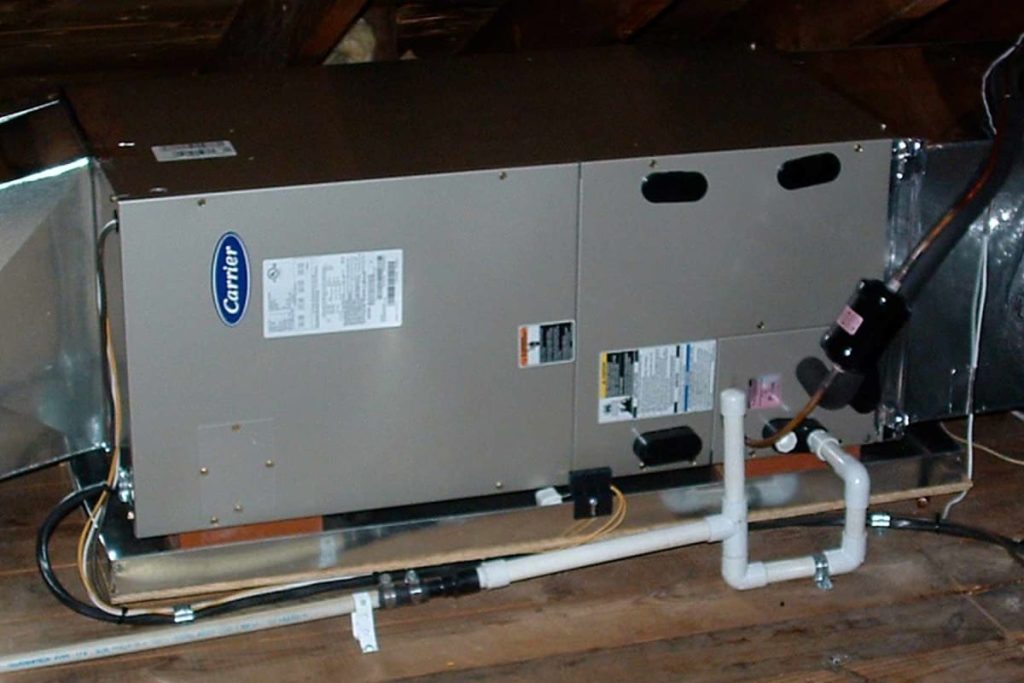
Have you ever wondered where the drip pan on your air conditioner is? Knowing its exact location can save you from unexpected water leaks and costly repairs.
The drip pan plays a crucial role in keeping your AC running smoothly by catching excess moisture. If you want to avoid damage and keep your home comfortable, understanding where to find and how to maintain this small but vital part is key.
Keep reading, and you’ll learn everything you need to know about your air conditioner’s drip pan.
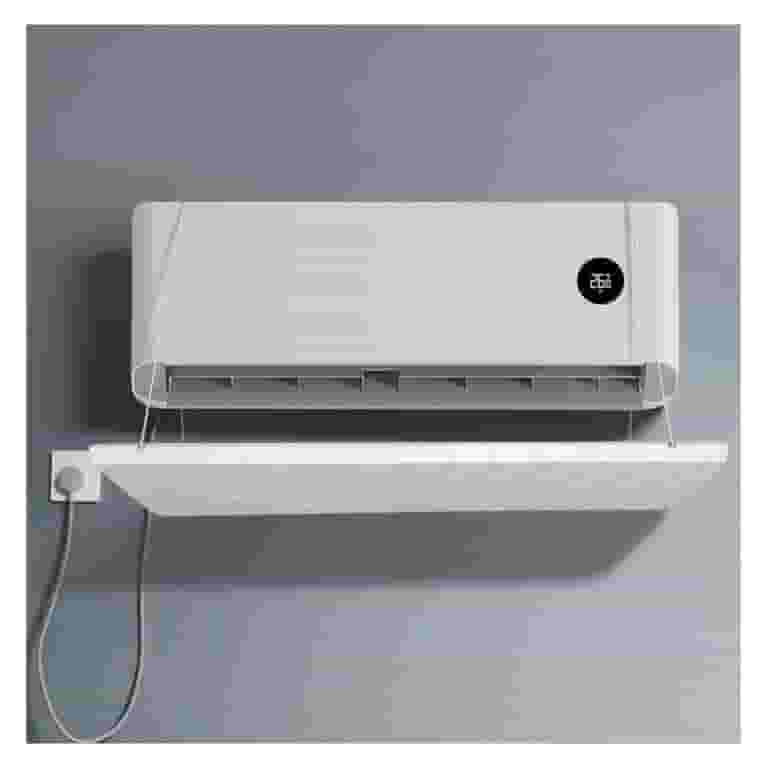
Credit: www.walmart.com
Purpose Of The Drip Pan
The drip pancollects water that forms during air conditioner use. It sits under the cooling coils to catch condensed moisture. This stops water from dripping inside your home.
By holding this water, the drip pan helps prevent leaksand water damageto walls and floors. If the pan is full or clogged, water can overflow and cause moldor structural damage.
- Collects water from cooling coils
- Prevents water from dripping indoors
- Stops damage to walls and floors
- Helps avoid mold growth
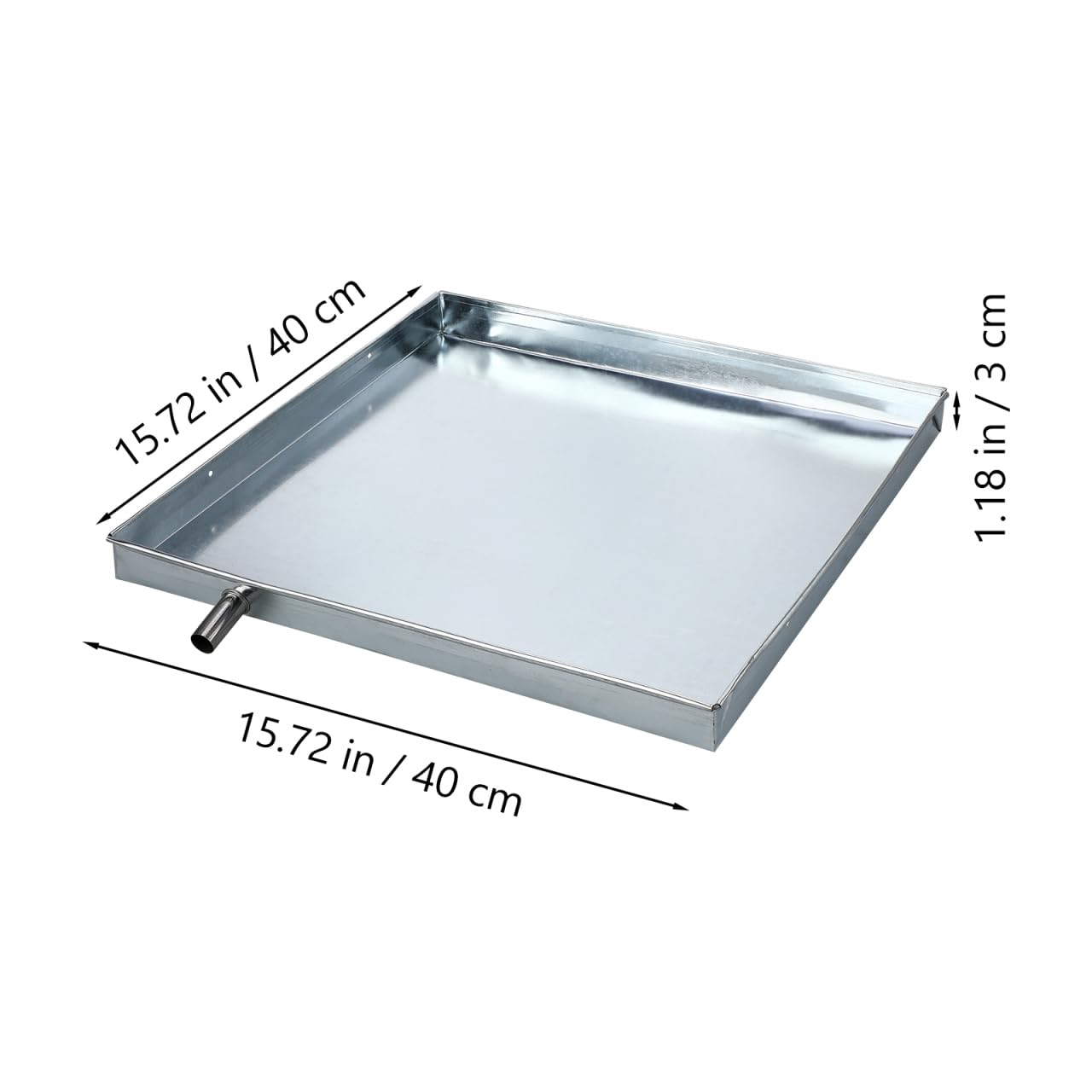
Credit: www.amazon.ca
Common Locations Of Drip Pans
The drip pancatches water that forms during cooling. It stops water from leaking inside your home.
Inside the indoor unit, the drip pan sits below the cooling parts. It collects the water from the air.
Under the evaporator coil, the pan catches condensation. This coil cools the air and makes water drip.
Beneath the outdoor unit, some systems have a drip pan. It gathers rain or melted ice water.
How To Access The Drip Pan
The drip pan sits under the air conditioner’s evaporator coil. It collects water that drips off the coil during cooling. Accessing the drip pan requires removing the access panel.
First, find the panel on the indoor unit. It is usually secured with screws or clips. Carefully unscrew or unclip it to avoid damage.
Keep the panel and screws safe for reassembly. Gently pull the panel away to expose the drip pan.
Some common tools may help:
- Screwdriver (Phillips or flathead)
- Flashlight for better visibility
- Gloves to protect your hands
- Towel to catch any water spills
Signs Of A Full Or Damaged Drip Pan
Water leaksnear the air conditioner often mean the drip pan is full or broken. This pan catches water that drips off the coil. When it overflows, water pools on the floor or around the unit. This can damage your walls and floors.
Unpleasant odorsmay come from a dirty or damaged drip pan. Standing water can start to smell musty or moldy. This smell can spread through your home when the AC runs.
Mold and mildew growthcan appear inside or around the drip pan. Moisture buildup creates a perfect spot for mold spores. These can cause health issues like allergies or breathing problems.
Cleaning And Maintaining The Drip Pan
The drip pan sits below the evaporator coil inside the air conditioner. It catches water that drips from the coil. Cleaning it stops water damage and mold growth.
Remove the air filter and access the drip pan carefully. Use warm, soapy water to clean the pan. Scrub gently with a soft brush to remove dirt and mold. Rinse well and dry before placing it back. Check the drain pipe for clogs and clear any blockages.
Cleaning the drip pan often keeps the system working well. Do this at least twice a year. More frequent cleaning is good in humid places. Regular checks help avoid leaks and bad smells.
When To Call A Professional
Persistent water issueswith your air conditioner can cause damage. Water pooling or leaking signals a problem. It may mean the drip pan is clogged or damaged. A professional can inspect the pan and drainage system. They will clean or replace the pan if needed. Avoid water damage by acting quickly.
Drip pan replacementis needed if the pan is cracked or rusted. A new pan stops leaks and improves system safety. Professionals use the right tools to fit the pan. They check the whole drainage system for issues. This ensures your air conditioner works well and stays dry.

Credit: northnjhvac.com
Frequently Asked Questions
What Is A Drip Pan In An Air Conditioner?
A drip pan, also known as a condensate pan, collects water from the evaporator coil. It prevents water from leaking into the air conditioner unit. Regular checks ensure it isn’t clogged, avoiding water damage. Knowing its location helps in maintaining your air conditioner’s efficiency and longevity.
Where Is The Ac Drip Pan Located?
The drip pan is usually located beneath the evaporator coil. It’s found inside the air handler unit. Accessing it often requires removing the front panel of the indoor unit. Always consult your air conditioner’s manual for specific guidance on locating the drip pan in your model.
How Do I Clean The Air Conditioner Drip Pan?
Turn off the power before cleaning the drip pan. Remove debris and mold using a damp cloth. Use a mild detergent for stubborn stains. Rinse thoroughly and ensure the pan is completely dry before reinstalling. Regular cleaning prevents clogs and maintains your air conditioner’s efficiency.
Why Is My Air Conditioner Drip Pan Overflowing?
An overflowing drip pan indicates a clogged drain line or a malfunctioning pump. Check for blockages and clear them promptly. Ensure the pump is working correctly to remove excess water. Regular maintenance and inspection can prevent overflow issues, ensuring efficient air conditioner operation.
Conclusion
The drip pan on an air conditioner catches water to stop leaks. You usually find it under the indoor unit or near the coil. Cleaning it often helps prevent mold and water damage. Check the pan regularly for cracks or blockages.
Keeping the drip pan in good shape improves your AC’s performance. It also helps your home stay dry and comfortable. Small care steps can save you from costly repairs later. Understanding where the drip pan is makes maintenance easier. Simple actions keep your air conditioner working well all year.