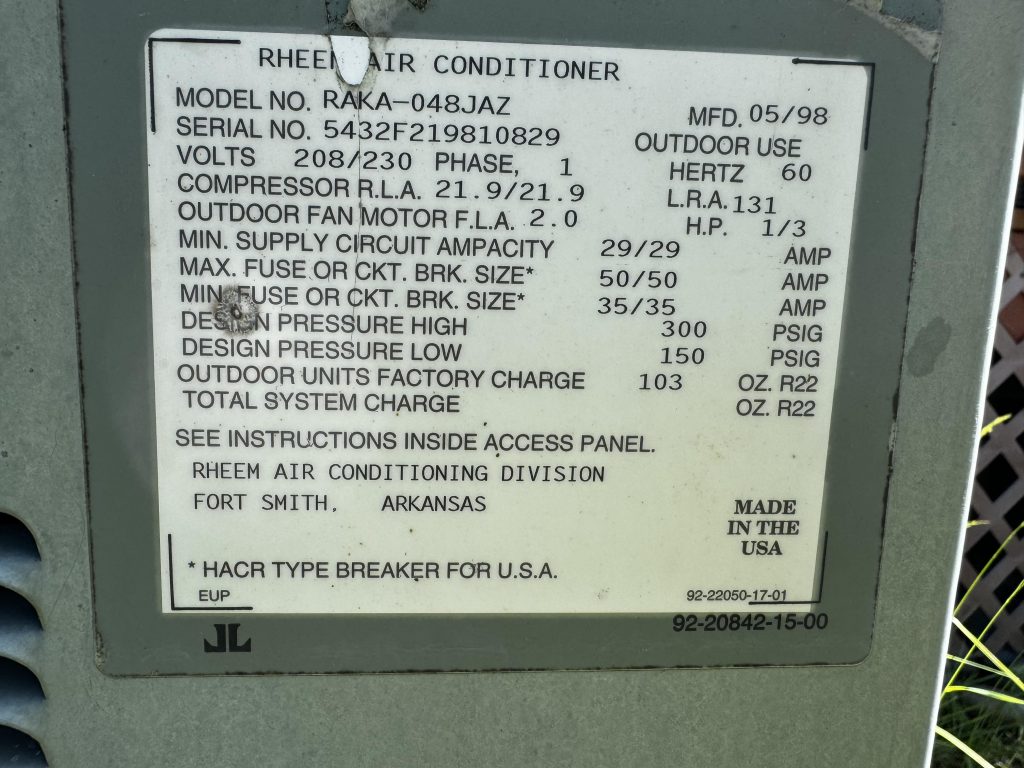
Wondering how long your air conditioner will keep you cool? Knowing the typical lifespan of your AC can save you from unexpected breakdowns and costly repairs.
You rely on your air conditioner to beat the heat, but do you know when it’s time to start thinking about a replacement? You’ll discover exactly how long air conditioners usually last and the key signs that tell you when your unit might be nearing the end of its life.
Stick with us, and you’ll gain the confidence to make smart decisions for your comfort and wallet.

Credit: www.reddit.com
Average Lifespan Of Air Conditioners
Air conditioners help keep homes cool and comfortable. Knowing how long they last helps plan repairs or replacements.
The lifespan of an air conditioner depends on its type and how well it is maintained. Most units last many years with care.
Typical Duration By Type
Different air conditioner types have different lifespans. Understanding these can help you choose the best option for your needs.
- Central Air Conditioners: 12 to 15 years
- Window Units: 8 to 10 years
- Portable Air Conditioners: 6 to 8 years
- Ductless Mini-Split Systems: 12 to 15 years
Factors Affecting Longevity
The life of an air conditioner can be shorter or longer based on many factors. Some things are in your control.
- Regular Maintenance: Cleaning and tune-ups extend life.
- Usage: Frequent use can wear parts faster.
- Installation Quality: Proper setup prevents early damage.
- Climate: Hot, humid areas may shorten lifespan.
- Air Filter Care: Changing filters keeps parts clean.
- Energy Efficiency: Efficient units often last longer.

Credit: www.furnaceprices.ca
Signs Of Aging Air Conditioners
Air conditioners do not last forever. Over time, they start to show signs of wear. Knowing these signs helps you decide if it is time to repair or replace.
Many factors affect the lifespan of an air conditioner. Age, maintenance, and usage all play a role. Here are common signs of aging units.
Decreased Cooling Efficiency
An old air conditioner may not cool your home like before. It takes longer to reach the set temperature. Rooms may feel warmer or unevenly cooled.
Filters and coils can get dirty or worn out. This lowers the system’s ability to cool air properly. You might notice more humidity inside as well.
Increased Energy Consumption
Aging air conditioners use more electricity to cool the same space. This raises your energy bills without better comfort. The system works harder to keep up.
Worn parts and leaks in the unit reduce efficiency. The compressor and fan motors may struggle, drawing extra power. Monitoring your bills helps spot this issue early.
Frequent Repairs
Older air conditioners often need more repairs. Small problems become common and costly. You may find yourself calling a technician regularly.
- Strange noises from the unit
- Water leaks around the system
- Thermostat not responding well
- Broken or frozen coils
Frequent repairs reduce the unit’s reliability. This is a clear sign the air conditioner is near the end of its life.
Maintenance Tips To Extend Lifespan
Air conditioners need care to last longer and work well. Simple maintenance helps avoid costly repairs.
Following some easy tips can keep your AC running smoothly for many years.
Regular Cleaning And Filter Replacement
Keeping your AC clean is key to its performance. Dirty filters block airflow and strain the system.
- Clean or replace air filters every 1 to 3 months.
- Clear dust and debris from vents and coils regularly.
- Keep the outdoor unit free from leaves and dirt.
- Wash the filter gently with water if reusable.
Professional Inspections
Experts can spot problems early and keep your AC efficient. Scheduling checks saves money and extends life.
| Inspection Task | Frequency |
| Check refrigerant levels | Once a year |
| Inspect electrical connections | Once a year |
| Test thermostat settings | Once a year |
| Clean evaporator and condenser coils | Once a year |
Proper Usage Practices
How you use your AC affects its lifespan. Simple habits reduce wear and energy use.
- Set the thermostat to a comfortable but efficient temperature.
- Turn off the AC when rooms are empty.
- Use fans to help circulate air and reduce load.
- Close windows and doors to keep cool air inside.
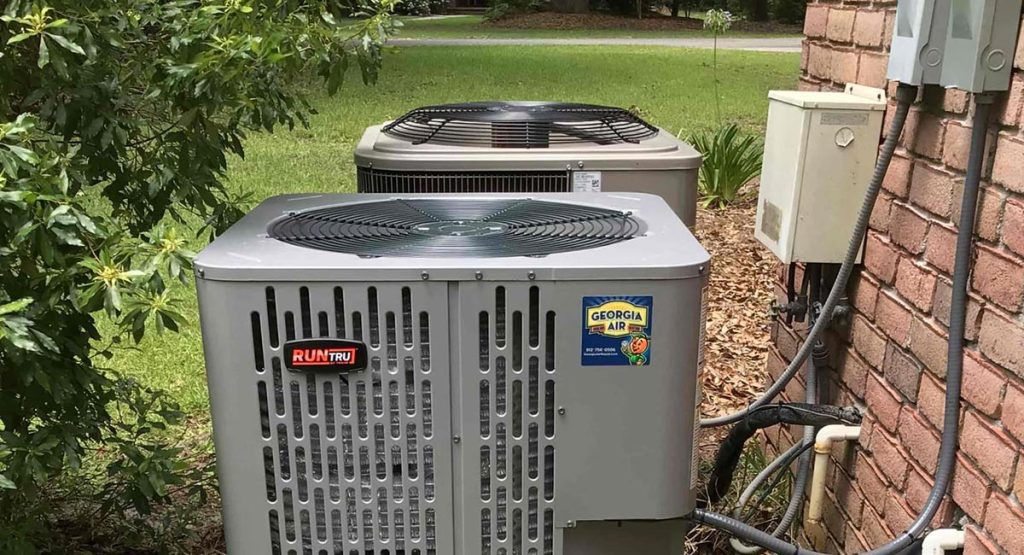
Credit: www.georgiaairrepair.com
When To Replace Your Air Conditioner
Air conditioners usually last about 10 to 15 years. After this time, they may lose efficiency or break down often.
Knowing when to replace your air conditioner helps you save money and stay comfortable.
Cost Of Repairs Vs Replacement
Repairs can cost a lot if your air conditioner is old. Fixing it many times adds up quickly.
Replacing an old unit might cost more upfront but can save money in the long run.
- If repair costs are more than half of a new unit, consider replacing
- Frequent breakdowns mean higher repair costs
- New units have warranties that reduce future costs
Energy Savings With New Models
New air conditioners use less energy than old ones. This lowers your electric bills.
Modern models have better technology to cool your home faster and use less power.
- Look for units with high SEER ratings for better efficiency
- New systems reduce energy waste and save money over time
- Energy savings can cover part of the replacement cost
Environmental Considerations
Old air conditioners may use harmful refrigerants that hurt the environment. New models use safer options.
Replacing your unit helps reduce your carbon footprint and protects the planet.
- New AC units use eco-friendly refrigerants
- They produce fewer greenhouse gases
- Proper disposal of old units prevents pollution
Choosing A Long-lasting Air Conditioner
Air conditioners usually last between 10 and 15 years. Choosing the right one helps you avoid repairs and replacements.
Look at brands, energy ratings, and warranty to find a durable air conditioner that fits your needs.
Reliable Brands And Models
Some brands are known for building strong air conditioners. These brands use quality parts and good designs.
Look for models with good reviews about durability. This helps ensure your air conditioner lasts longer.
- Brands with strong warranties often have reliable models
- Check customer reviews for real-life performance
- Models with simple designs can be easier to maintain
Energy Efficiency Ratings
Energy efficiency shows how well an air conditioner uses electricity. Higher ratings mean less energy waste.
Efficient units put less stress on parts, so they often last longer and save money on bills.
- Look for SEER ratings above 14 for good efficiency
- Energy Star certified units meet strict efficiency rules
- High efficiency can reduce wear and tear
Warranty And Support
A good warranty protects you from repair costs for many years. It shows the brand trusts its product.
Check what parts are covered and how long the warranty lasts. Also, look for good customer support.
- Longer warranties usually mean better quality
- Parts like compressors should have extended coverage
- Easy access to support helps fix problems fast
Frequently Asked Questions
How Long Do Ac Units Usually Last?
Air conditioners typically last between 15 to 20 years. Regular maintenance can extend their lifespan. Factors like usage, climate, and quality impact longevity. Replacing old units with energy-efficient models can save costs. Always consult professionals for accurate assessments.
What Affects Ac Lifespan Most?
The lifespan of an air conditioner is most affected by maintenance. Regular servicing ensures optimal performance. Environmental factors like climate and usage frequency also play a role. Quality of installation and parts can further influence longevity. Timely repairs prevent major issues.
Can Maintenance Extend An Air Conditioner’s Life?
Yes, regular maintenance can significantly extend an air conditioner’s life. It ensures efficient operation and prevents minor issues from becoming major repairs. Scheduled check-ups improve energy efficiency and cooling performance. It’s advisable to have a professional service your unit annually.
When Should You Replace Your Air Conditioner?
You should replace your air conditioner if it’s over 15 years old. Frequent breakdowns or inefficiencies also signal replacement needs. Rising energy bills can indicate a failing system. Newer models offer better energy efficiency and cooling technology. Consult with a professional for advice.
Conclusion
Air conditioners usually last between 10 and 15 years. Proper care helps them work longer and better. Regular cleaning and timely repairs save money and avoid problems. Knowing the lifespan helps plan for replacement costs. Choosing the right model and size also affects durability.
Simple steps keep your home cool and comfortable. Stay aware of signs that show your AC needs attention. A well-maintained air conditioner gives you peace and cool air year-round.