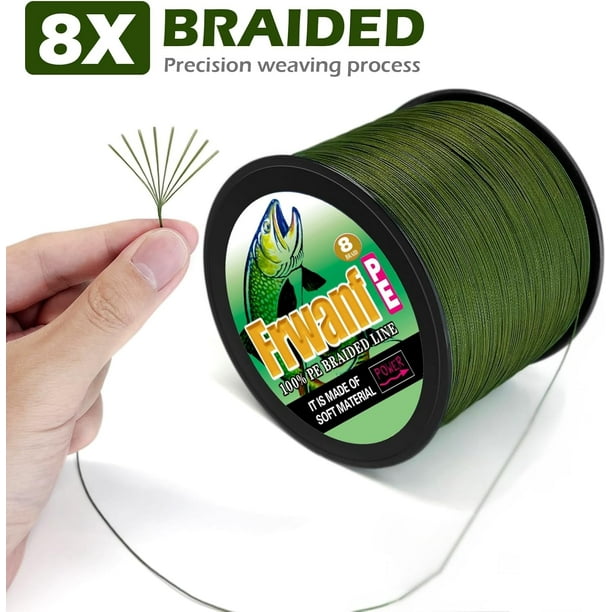
Are you tired of tangled fishing lines that break just when you’re about to catch the big one? Choosing the right fishing line can make all the difference in your success on the water.
You’ve probably heard about braided fishing lines, but is braided fishing line better for your fishing needs? This article will help you understand what makes braided lines stand out, and whether switching to one could improve your fishing experience. Keep reading to discover how this line might change the way you fish for the better.

Credit: www.youtube.com
Braided Line Basics
Braided fishing line is popular among anglers for its strength and thin diameter. It offers different features compared to other fishing lines like monofilament or fluorocarbon.
This guide explains the basics of braided line, including its material, how it is made, and where it is commonly used.
Material Composition
Braided fishing line is made from several strong synthetic fibers woven together. These fibers give the line its notable strength and durability.
- Common fibers include Spectra and Dyneema.
- These fibers are ultra-high molecular weight polyethylene.
- The material is resistant to abrasion and stretching.
- It has a smaller diameter than other lines of similar strength.
Manufacturing Process
Making braided line involves weaving multiple strands tightly. This process creates a strong and thin line suitable for fishing.
| Step | Description |
| 1. Fiber Preparation | High-strength fibers are cut and prepared. |
| 2. Braiding | Fibers are woven into a round or square braid. |
| 3. Coating | Line is coated to improve smoothness and durability. |
| 4. Spooling | Finished line is wound onto spools for sale. |
Common Uses
Anglers use braided line for many fishing styles. It works well in situations that need strong, sensitive line.
- Saltwater fishing due to abrasion resistance.
- Freshwater fishing for catching large fish.
- Fishing in thick cover where strength matters.
- Trolling and casting for long-distance casting.
Strength Factors
Choosing the right fishing line depends on its strength features. Braided fishing lines have unique qualities that affect performance.
Understanding these strength factors helps anglers pick the best line for their needs.
Tensile Strength
Tensile strength shows how much force a fishing line can hold before breaking. Braided lines usually have higher tensile strength than monofilament lines.
They use multiple fibers woven together, which increases their breaking strength without adding thickness.
- Strong for its thin diameter
- Handles heavy fish well
- Lasts longer under stress
Abrasion Resistance
Abrasion resistance means how well the line stands up to rubbing against rocks, logs, or other surfaces. Braided lines have good abrasion resistance but can vary by brand.
The tight weave of the fibers helps protect the line from cuts and frays during fishing.
- Protects against rough surfaces
- Reduces chance of line break
- Important in rocky or heavy cover areas
Knot Strength
Knot strength shows how well a line holds when tied into knots. Braided lines can be slippery, which affects knot security.
Anglers often use special knots designed for braided lines to keep strong holds and prevent slipping.
- Knot type impacts strength
- Proper knotting prevents line failure
- Practice helps improve knot reliability
Durability Aspects
Durability is a key factor when choosing fishing lines. Braided fishing lines are known for their strength and long-lasting qualities.
Understanding how braided lines handle wear and tear, UV exposure, and water absorption helps anglers decide if they suit their needs.
Wear And Tear
Braided fishing lines resist wear and tear better than many other lines. Their fibers are tightly woven, making them tough against rough surfaces.
They handle abrasion from rocks, boat edges, and fish teeth well. This keeps the line strong during long fishing trips.
- Tightly braided fibers increase durability
- Less stretch reduces damage from sudden pulls
- Good abrasion resistance extends line life
Uv Resistance
UV rays from the sun can weaken many fishing lines over time. Braided lines often use materials that resist UV damage.
This resistance helps the line keep its strength and color after many hours of sun exposure. It makes the line more reliable outdoors.
- UV-resistant fibers reduce line degradation
- Maintains strength after sun exposure
- Prevents color fading for better visibility
Water Absorption
Braided fishing lines absorb very little water. This helps keep the line light and prevents weakening when wet.
Lines that soak up water become heavy and weak. Braided lines stay strong and perform well in wet conditions.
- Low water absorption keeps line light
- Maintains strength in wet environments
- Reduces stretch caused by water
Comparison With Other Lines
Braided fishing line is popular among anglers for its strength and sensitivity. It differs from other types of fishing lines in many ways.
This section compares braided line with monofilament, fluorocarbon, and hybrid lines. Each has unique features that suit different fishing needs.
Monofilament Line
Monofilament line is made from a single strand of nylon. It is stretchy and easy to handle, making it good for beginners.
- More stretch than braided line
- Less sensitive to bites
- Visible in water, easier to see
- Usually cheaper than braided line
- Prone to UV damage and weakening over time
Fluorocarbon Line
Fluorocarbon line is nearly invisible underwater. It sinks faster and resists abrasion better than monofilament.
| Feature | Fluorocarbon | Braided |
|---|---|---|
| Visibility in Water | Low | High |
| Strength | Moderate | Very High |
| Stretch | Low | Very Low |
| Durability | High | High |
| Cost | Higher | Moderate |
Hybrid Lines
Hybrid lines blend features of braided and fluorocarbon or monofilament lines. They try to offer the best of both worlds.
Common hybrid types include:
- Braid core with fluorocarbon coating for invisibility
- Monofilament core with braided outer layer for strength
- Lines designed for specific fishing conditions
Advantages Of Braided Line
Braided fishing line is popular among anglers for many reasons. It offers unique benefits compared to other lines.
This type of line is made from several fibers woven together. It provides strength and performance that many fishers prefer.
Sensitivity And Casting Distance
Braided line has very little stretch. This means you can feel every bite and movement under the water.
Its thin diameter helps you cast farther and with better accuracy. You can reach spots that are hard to get with other lines.
- Feel bites quickly
- Detect subtle fish movements
- Cast long distances easily
- Improve casting accuracy
Low Stretch Benefits
Low stretch means the line won’t stretch much under pressure. This gives you better hook sets and control over the fish.
You can react faster when a fish pulls or runs. The line responds quickly to your rod movements, making it easier to land fish.
- Better hook setting power
- Quick response to fish action
- Improved rod control
- Less line slack during fights
Longevity In Harsh Conditions
Braided line is strong and resists abrasion well. It lasts longer in rough waters and around rocks or weeds.
It does not rot or absorb water like some other lines. This makes it a durable choice for tough fishing environments.
- Resists abrasion from rocks and debris
- Does not absorb water
- Stays strong in saltwater and freshwater
- Long-lasting under harsh conditions

Credit: www.amazon.ca
Limitations To Consider
Braided fishing line has many benefits, but it is not perfect. You should know about some limits before choosing it.
These limits affect how you use the line and your fishing results. Read on to learn more.
Visibility In Water
Braided lines are usually very visible in clear water. Fish can see the line more easily, which may scare them away.
This makes braided line less ideal for fishing in clear lakes or streams where fish are shy.
Handling Challenges
Braided line is thin and strong but can be hard to handle. It can tangle or knot easily if you are not careful.
The line also cuts into your fingers more than other types. This can make casting and reeling less comfortable.
- Thin diameter makes knots tricky
- Can snap back quickly if stretched
- Feels rough on the hands
Cost Factors
Braided lines are more expensive than monofilament or fluorocarbon lines. This can add up if you fish often.
You may need to replace braided line more often if it wears out or gets damaged. This adds to the cost.
Choosing The Right Braided Line
Braided fishing lines are popular for their strength and sensitivity. Choosing the right braided line helps you fish better.
Pick a line that fits your fishing style and the fish you want to catch.
Diameter And Strength Ratings
The diameter of a braided line affects how much line fits on your reel. A smaller diameter lets you spool more line.
Strength ratings show how much weight the line can hold before breaking. Choose a strength that matches your target fish.
- Smaller diameter means less water resistance
- Higher strength means better for big fish
- Match strength to your fishing environment
Color And Visibility Options
Colors can help you see the line better or hide it from fish. Pick colors based on water clarity and light conditions.
High-visibility colors help track the line above water. Low-visibility colors reduce fish spooking under water.
- Bright colors for murky water or low light
- Natural colors for clear water
- Change colors along the line for depth tracking
Recommended Brands
Some brands are known for quality braided lines. Choose brands that offer consistent strength and smooth casting.
- Brand A – Known for durability and smooth finish
- Brand B – Offers a wide range of colors and strengths
- Brand C – Popular for excellent abrasion resistance
Maintenance Tips
Taking care of your braided fishing line can help it last longer. Proper maintenance keeps the line strong and ready for fishing.
Below are important tips on cleaning, checking for damage, and replacing the line when needed.
Cleaning And Storage
Clean your braided line after each use to remove dirt and salt. Rinse it with fresh water and dry it fully before storing.
- Use fresh water to wash off salt and debris
- Let the line air dry in shade
- Store the line in a cool, dry place
- Avoid direct sunlight to prevent damage
- Keep the spool away from chemicals and oils
Checking For Damage
Regularly inspect your braided line for signs of wear. Look for frays, cuts, or thin spots that could break during use.
| Damage Type | Signs to Watch | Action to Take |
|---|---|---|
| Fraying | Loose or fuzzy fibers | Cut out damaged section or replace line |
| Cuts | Visible breaks or tears | Replace line immediately |
| Thin Spots | Areas that feel weaker or thinner | Remove weak parts or replace line |
Replacing Old Line
Old braided line loses strength and can fail during fishing. Change your line if it shows damage or after heavy use.
- Remove the old line from your reel
- Check the reel for any dirt or damage
- Spool new braided line evenly without overlaps
- Tighten the line on the reel to prevent slippage
- Test the new line before fishing

Credit: www.reddit.com
Frequently Asked Questions
What Is Braided Fishing Line Used For?
Braided fishing line is popular for its strength and durability. It’s ideal for deep-sea fishing and heavy cover. Anglers use it for casting long distances and targeting large fish. Its minimal stretch provides excellent sensitivity, improving hook sets.
Is Braided Line Better For Bass Fishing?
Yes, braided line is excellent for bass fishing. Its high sensitivity helps detect subtle bites. The line’s strength allows it to handle heavy cover and vegetation. Anglers appreciate its durability and long-lasting performance in various water conditions.
Does Braided Fishing Line Float Or Sink?
Braided fishing line typically floats on water. This makes it suitable for topwater fishing techniques. However, it can be used with sinkers for deeper fishing. Its floating nature aids in certain fishing styles, offering versatility to anglers.
How Often Should You Replace Braided Line?
Braided line is durable and long-lasting, often lasting several seasons. However, inspect it regularly for wear or damage. Replace it if you notice fraying or loss of color. Regular maintenance ensures optimal performance.
Conclusion
Braided fishing line offers strength and sensitivity that many anglers prefer. It lasts longer and resists abrasion well. The thin diameter helps cast farther and reduces line stretch. Yet, it can be more visible in clear water and may require special knots.
Choosing the right line depends on your fishing style and conditions. Try it out to see if it fits your needs. Simple, strong, and reliable—braided line has its clear advantages.