If you’ve ever struggled with getting your fishing line just right on an open face reel, you’re not alone. Putting line on this type of reel can feel tricky at first, but once you know the simple steps, it becomes quick and easy.
Imagine casting smoothly without the frustration of tangled or loose line holding you back. In this guide, you’ll discover exactly how to load your fishing line perfectly every time. Keep reading, and you’ll be ready to fish with confidence on your very next trip.
Choosing The Right Fishing Line
Choosing the right fishing line is key to a good fishing experience. It affects how well you cast and catch fish.
Open face reels need the right line for smooth casting and fewer tangles. Pick a line that fits your fishing style.
Types Of Fishing Lines
There are three main types of fishing lines: monofilament, fluorocarbon, and braided. Each type has its own uses.
Monofilament is easy to handle and stretches well. Fluorocarbon is less visible in water and sinks faster. Braided line is very strong and thin but visible.
- Monofilament: flexible, good for beginners
- Fluorocarbon: nearly invisible, good for clear water
- Braided: strong and thin, good for heavy cover
Line Strength And Thickness
Line strength is measured in pounds. It shows how much weight the line can hold before breaking.
Thicker lines are stronger but harder to cast far. Thinner lines cast easier but may break more.
- Choose strength based on the fish you want to catch
- Use thicker lines for big, strong fish
- Use thinner lines for small fish and long casts
Matching Line To Reel
Your fishing line should match your open face reel’s size and capacity. Check the reel’s specs before buying line.
Using too thick a line can cause jams. Too thin a line can reduce casting control and strength.
- Check the reel’s line capacity label
- Pick line weight within the reel’s limits
- Consider the type of fishing you will do

Credit: www.reddit.com
Preparing The Open Face Reel
Putting fishing line on an open face reel starts with preparation. You need to get the reel ready for smooth line spooling.
Preparing the reel well helps prevent problems like tangles and uneven line lay. This guide covers cleaning, checking, and setting the reel.
Cleaning The Reel
Clean the reel before adding new line. Dirt and old grease can cause issues when fishing.
Use a soft cloth or brush to remove dust and grime. Wipe the spool, handle, and other parts carefully.
- Remove dirt from the spool to avoid line damage
- Clean the handle for smooth turning
- Check for sand or grit in moving parts
Inspecting For Damage
Look over the reel for any damage before you start. Small cracks or worn parts can cause problems later.
Check the spool, bail, and handle for signs of wear. Make sure everything moves smoothly without sticking.
- Look for dents or cracks on the spool
- Test the bail to ensure it flips easily
- Spin the handle to check for smooth rotation
Setting The Drag
Adjust the drag before putting on the line. Drag controls how much resistance the fish feels.
Turn the drag knob to set a medium resistance. It should let the line out slowly when pulled hard.
- Start with a light drag setting
- Increase drag until you feel firm resistance
- Test by pulling the line by hand
Spooling The Line
Spooling line on an open face reel is key for smooth fishing. It helps avoid tangles and line twists.
Follow simple steps to attach, wind, and keep tension on the line. This makes your reel ready for use.
Attaching The Line To The Spool
Start by threading the fishing line through the rod guides. Tie the line to the spool using an arbor knot. Pull it tight so the line is secure.
Make sure the knot sits flat against the spool to prevent slipping. Trim any extra tag ends close to the knot.
Winding The Line Evenly
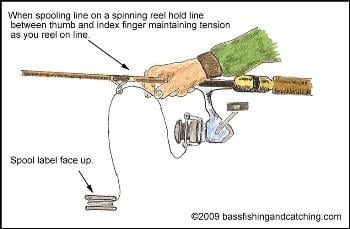
Keep the line tight and wind it evenly across the spool. Avoid piling line in one spot to stop tangles.
- Hold the line with your fingers to control speed
- Turn the reel handle slowly and steadily
- Guide the line with your other hand to spread it evenly
- Fill the spool about 1/8 inch from the edge
Maintaining Tension
Keep tension on the line while spooling to prevent loose loops. Loose line causes tangles and can reduce casting distance.
| Technique | Description |
| Finger Pressure | Use your fingers to pinch the line lightly as you wind |
| Reel Drag | Set drag moderately to add resistance while spooling |
| Consistent Speed | Turn the handle at a steady pace to keep tension even |
Securing And Trimming The Line
Putting fishing line on an open face reel requires careful securing and trimming. These steps ensure the line stays in place and casts smoothly.
Follow the instructions below to finish your setup correctly. This will help avoid problems while fishing.
Tying The Line End
Start by tying the line end to the reel spool. Use a strong knot to keep the line from slipping.
- Wrap the line around the spool once.
- Tie an arbor knot by making a simple overhand knot around the line.
- Pull the knot tight against the spool.
- Make a few half hitches to secure the line further.
- Trim the tag end close to the knot.
Trimming Excess Line
After securing the line, remove any extra length to avoid tangles. Cut the line neatly and close to the reel.
| Tool | Purpose |
|---|---|
| Sharp scissors | Cleanly cut the excess line |
| Line clipper | Trim line close to the knot |
| Needle-nose pliers | Hold the line steady if needed |
Final Checks
Check the line for tightness and smoothness. Make sure the knot is firm and the line moves freely on the spool.
- Pull the line gently to test the knot strength.
- Spin the spool to ensure even winding.
- Look for any loose or twisted sections.
- Re-trim if any excess line is still visible.
Tips For Smooth Casting
Putting fishing line on an open face reel is easy when you follow the right steps. Properly loaded line helps your casts go farther and smoother.
Using good habits with your line keeps your fishing experience better. These tips help reduce problems like line twist and tangles.
Avoiding Line Twist
Line twist causes tangles and bad casting. To avoid twist, spool the line carefully and keep the reel level while winding.
Use the right technique when tying the line to the reel spool. Let the line flow freely off the spool during casting.
- Attach the line with a secure knot
- Keep tension while spooling the line
- Make sure the line comes off the bait spool smoothly
- Check the reel’s level position when winding
Proper Line Maintenance
Good line care keeps it strong and ready for fishing. Clean your line after use to remove dirt and salt.
Check for weak spots or damage regularly. Replace the line if it looks worn or frayed to avoid breaks.
- Rinse line with fresh water after fishing
- Dry the line before storing
- Inspect for nicks or cracks often
- Replace line yearly or sooner if damaged
Storage Recommendations
Store your reel and line in a cool, dry place. Avoid direct sunlight to prevent line weakening and color fading.
Keep the reel spool loose to reduce pressure on the line. Use a protective cover to keep dirt and dust away.
- Keep reels away from heat and sunlight
- Loosen drag and spool tension before storage
- Use reel covers or cases for protection
- Store reels upright to prevent damage

Credit: www.youtube.com

Credit: www.reddit.com
Frequently Asked Questions
How Do You Start Lining An Open Face Reel?
To start, open the bail and tie the line to the spool using an arbor knot. Ensure the line is tight and even. Close the bail and slowly wind the line onto the spool, maintaining slight tension to prevent tangles.
What Type Of Line Is Best For Open Face Reels?
Monofilament line is versatile, user-friendly, and suitable for open face reels. It’s an excellent choice for beginners. However, braided line offers more strength and sensitivity for experienced anglers. Fluorocarbon line is nearly invisible underwater, perfect for clear water fishing conditions.
How Much Line Should I Put On The Reel?
Fill the spool until it’s approximately 1/8 inch from the rim. This prevents tangling and ensures optimal casting distance. Avoid overfilling, as it can cause line slippage and knots. Underfilling reduces casting performance and distance.
Why Is My Line Twisting On The Reel?
Line twisting occurs due to incorrect spooling or reel setup. Ensure the line is wound in the same direction it comes off the spool. Using a swivel and avoiding overfilling can also minimize twisting and improve casting.
Conclusion
Putting fishing line on an open face reel is simple with practice. Follow each step slowly and carefully. Keep the line tight and even on the spool. Avoid twists and tangles to prevent problems while fishing. Take your time to make sure the line sits well.
Soon, you will feel more confident and ready to fish. Regularly check your line for wear and replace it when needed. Enjoy your fishing trips with a well-prepared reel.