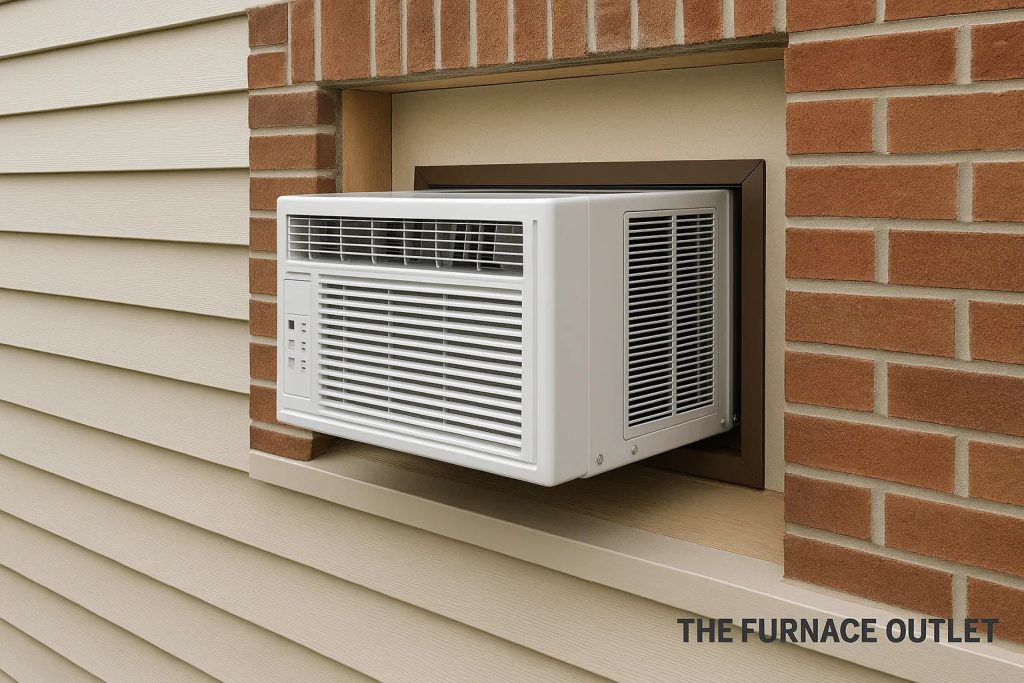
Are you wondering if you can use a window air conditioner through your wall instead of a window? You’re not alone.
Many people face this question when they want to cool a room but don’t have a suitable window or want a cleaner look. The idea sounds simple, but there are important things you need to know before making the switch.
You’ll discover how a window air conditioner works in a wall, what challenges you might face, and the best tips to make it work safely and efficiently. Keep reading to find out if this solution is right for your home.

Credit: www.reddit.com
Window Acs Vs Wall Acs
Window air conditioners are common for cooling single rooms. Wall air conditioners fit into a wall opening. Many people wonder if a window AC can be used through the wall.
This article compares window and wall air conditioners. It covers design, installation, and cooling efficiency differences.
Design Differences
Window ACs are made to fit into window frames. They have a compact design with vents on front and back. Wall ACs have a larger, box-like shape. They are built to fit into a wall sleeve.
Window ACs rely on windows to hold them in place. Wall ACs include a support frame for stability. The airflow paths differ to suit their places.
- Window ACs fit windows only
- Wall ACs fit wall sleeves
- Wall ACs have stronger support parts
- Window ACs are lighter and smaller
Installation Variations
Window AC installation needs a window opening. The unit slides into the window and seals around it. Wall ACs require cutting a hole in the wall. The unit fits into a sleeve or frame inside the wall.
Installing a window AC through a wall is possible but tricky. You must build a strong frame and seal well. Wall AC installation is more permanent and needs tools.
- Window ACs need a window frame
- Wall ACs need a wall opening
- Window ACs can be removed easily
- Wall ACs are fixed installations
- Using window ACs in walls requires custom framing
Cooling Efficiency
Both types cool rooms well if installed correctly. Window ACs may lose efficiency if used in walls without proper sealing. Wall ACs are designed for better airflow in wall openings.
Proper insulation and sealing improve cooling for both types. Wall ACs often offer better energy efficiency due to design. Window ACs can work but might use more energy if airflow is blocked.
- Correct installation affects cooling efficiency
- Wall ACs have airflow designed for walls
- Window ACs may lose efficiency in walls
- Good sealing improves performance
Feasibility Of Wall Installation
Using a window air conditioner through a wall is possible but needs careful planning. Not all walls can support these units.
This guide looks at key factors to check before wall installation. Proper checks help avoid damage and ensure good performance.
Structural Requirements
The wall must be strong enough to hold the air conditioner. It should handle the unit’s weight and vibrations.
- Check if the wall has studs or a solid frame.
- Avoid walls with pipes or electrical wiring inside.
- Use proper mounting brackets for extra support.
- Consult a professional if unsure about wall strength.
Wall Thickness And Material
Wall thickness and material affect the unit’s fit and insulation. Thin or weak walls may cause leaks or noise problems.
| Material | Recommended Minimum Thickness | Notes |
| Wood Frame | 6 inches | Ensure studs are spaced properly |
| Concrete | 4 inches | May need special drill bits |
| Brick | 4-6 inches | Check for mortar strength |
| Drywall Only | Not suitable | Needs reinforcement |
Space And Clearance
Allow space around the air conditioner for airflow and maintenance. Too little space reduces efficiency and may cause damage.
- Leave at least 6 inches of clearance on each side.
- Make sure the unit extends outside without blockage.
- Keep the inside vent clear of curtains or furniture.
- Check the unit’s manual for exact clearance needs.
Preparing The Wall For Installation
Installing a window air conditioner through a wall needs careful preparation. The wall must be ready to hold the unit safely and keep your home insulated.
This guide covers how to prepare the wall by measuring, sealing, and supporting the air conditioner unit properly.
Measuring And Cutting The Opening
Start by measuring the air conditioner’s size. Measure the height, width, and depth of the unit.
Mark these measurements on the wall where you want to install the air conditioner. Use a level to make sure the lines are straight.
- Measure the unit’s height and width carefully
- Mark the wall with a pencil and level
- Cut the wall along the marked lines
- Wear safety gear like gloves and goggles
Sealing And Insulation
After cutting the opening, sealing the edges stops air leaks and keeps your home energy efficient. Use weatherproof materials to seal around the unit.
Add insulation around the air conditioner to block noise and temperature changes. Use foam or fiberglass insulation for best results.
- Apply weatherproof caulk around the edges
- Use foam insulation strips to fill gaps
- Check that no air can pass through cracks
- Seal both inside and outside edges
Supporting The Unit
Support the air conditioner firmly to prevent damage. Use a sturdy bracket or shelf below the unit on the outside wall.
The support must hold the unit’s weight and keep it level. Secure the bracket to wall studs for strength.
- Install a metal or wood bracket under the unit
- Attach the bracket to wall studs
- Check the unit is level on the support
- Use screws and anchors for strong fastening
Installation Steps
Installing a window air conditioner through a wall needs care and the right tools. Follow these steps to ensure a safe setup.
This guide covers positioning the unit, securing it firmly, and making electrical connections correctly.
Positioning The Ac Unit
Choose a wall that can hold the weight of the air conditioner. The opening should be slightly bigger than the unit.
Make sure the outside part of the AC is clear and can vent properly. Inside, the unit should be level to avoid water leaks.
Securing The Unit
Fasten the air conditioner firmly to the wall to prevent movement or vibrations. Use strong brackets and screws.
- Place the unit into the wall opening carefully.
- Attach mounting brackets to the frame and wall studs.
- Use weatherproof sealant around edges to stop air leaks.
- Check that the unit does not tilt forward or backward.
- Tighten all screws and bolts securely.
Electrical Connections
Connect the air conditioner to a power source following safety rules. Use the correct voltage and a dedicated circuit.
| Task | Details |
|---|---|
| Power Source | Use a grounded outlet with the right voltage rating. |
| Wiring | Follow the manufacturer’s wiring diagram carefully. |
| Breaker | Install a dedicated circuit breaker for safety. |
| Testing | Turn on power and test the unit for proper operation. |
Potential Challenges
Using a window air conditioner through a wall can cause some problems. These challenges affect how well the unit works and lasts.
Knowing these issues helps you decide if this setup fits your needs. Let’s look at the main challenges.
Water Drainage Issues
Window air conditioners need to drain water outside. When installed through a wall, water may not flow out easily.
This can cause water to build up inside or leak into the wall. It may damage the wall or the AC unit.
- Improper slope can trap water inside
- Water leaks can cause mold or rot
- Drainage holes may not align with wall openings
Vibration And Noise
Window air conditioners create vibration when running. Through a wall, this vibration may increase noise inside the room.
Walls can amplify sound, making the unit louder. Vibration can also loosen screws or damage the wall structure.
- Walls may transmit noise to other rooms
- Vibration can cause cracks or gaps in the wall
- Extra padding or brackets may be needed to reduce noise
Airflow Restrictions
Air conditioners need good airflow to cool well. A wall installation might block or limit airflow around the unit.
Poor airflow makes the unit work harder. This lowers efficiency and can shorten the air conditioner’s life.
- Wall thickness can block outside air intake
- Obstacles near the unit reduce air circulation
- Restricted airflow causes overheating

Credit: thefurnaceoutlet.com
Safety And Maintenance Tips
Using a window air conditioner through the wall needs careful care. Safety and maintenance keep it working well. This guide covers key tips to follow.
Proper upkeep prevents damage and helps your air conditioner last longer. Keep these simple steps in mind.
Regular Cleaning
Clean your air conditioner often to avoid dust buildup. Dust can block airflow and reduce cooling power.
- Remove and wash the filter every month.
- Wipe the exterior with a damp cloth.
- Clear any debris around the unit.
- Use a vacuum to clean vents and coils gently.
Inspecting Seals
Check the seals around the air conditioner to avoid air leaks. Leaks cause energy loss and reduce efficiency.
| Seal Part | What to Look For |
| Foam Gasket | Cracks or gaps |
| Weather Stripping | Wear or peeling |
| Caulking | Cracks or missing areas |
Professional Servicing
Have a technician service your air conditioner at least once a year. This keeps it safe and efficient.
- Schedule a professional check before summer.
- Ask for a refrigerant level check.
- Request cleaning of internal parts.
- Confirm electrical connections are secure.
- Replace worn or broken parts as needed.
When To Consider Alternatives
Window air conditioners work well in many rooms. But sometimes they are not the best choice. You may need other options if your window is small or not strong enough.
Using an air conditioner through the wall can be tricky. Some situations make it hard to install or less efficient. In these cases, other cooling systems may suit you better.
Ductless Mini-split Systems
Ductless mini-split systems cool rooms without windows. They have an outdoor unit and one or more indoor units. These systems connect with small pipes through the wall.
They are good for rooms where window units don’t fit. Mini-splits also work quietly and save energy. Installation needs a professional to handle the pipes and wiring.
Through-the-wall Ac Units
Through-the-wall air conditioners fit into a wall sleeve. They are similar to window units but made for walls. This option is good if your window space is not available.
These units need a permanent hole in the wall. They can be more secure and less noisy than window units. Proper wall size and support are important for installation.
Portable Air Conditioners
Portable air conditioners move from room to room. You only need a small window or wall vent for the exhaust hose. These units do not require permanent installation.
They are useful when you cannot install a window or wall AC. Portable units are easy to set up but may be less efficient. They also need space to store when not in use.

Credit: thefurnaceoutlet.com
Frequently Asked Questions
Can A Window Ac Fit Through A Wall?
Yes, but modifications are needed. Window units aren’t designed for wall installations. They require proper ventilation and support. You might need to create a sleeve or frame. Ensure there’s enough airflow to avoid overheating. Consult a professional for a safe and efficient setup.
Is It Safe To Install Window Ac In A Wall?
It’s generally safe with proper precautions. Ensure the wall can support the unit’s weight. Incorrect installation can lead to efficiency issues or damage. Use a sleeve to protect the unit and wall. It’s best to consult a professional for a secure installation.
What Are The Risks Of Using Window Ac In Wall?
Risks include poor efficiency and potential damage. Inadequate ventilation can lead to overheating. Structural integrity of the wall might be compromised. Condensation might cause moisture damage. Professional installation minimizes these risks, ensuring optimal performance and safety.
Do Window Acs Need Special Brackets For Walls?
Yes, special brackets or sleeves are needed. They provide necessary support and ventilation. Window units aren’t designed for wall use. Proper installation ensures stability and efficiency. Professional guidance ensures the correct equipment and installation techniques are used.
Conclusion
A window air conditioner can work through a wall with the right setup. It needs a proper opening and good support. Sealing gaps prevents air leaks and keeps the room cool. This method saves money compared to buying a wall unit.
Still, measure carefully and follow instructions for safety. Small adjustments can make a big difference. Choose the best spot for easy installation and maintenance. This option can be practical and efficient for many homes. Give it a try if your window space is limited.