Have you ever wondered what the perfect air conditioner temperature setting is for your home? You want to stay comfortable without wasting energy or hiking up your electricity bill.
Finding that sweet spot can make a huge difference in how you feel indoors and how much you pay each month. You’ll discover the ideal temperature to set your AC, why it matters, and simple tips to keep your space cool and efficient.
Keep reading to unlock the secrets to a comfortable and cost-effective summer.

Credit: www.reddit.com
Ideal Temperature Range
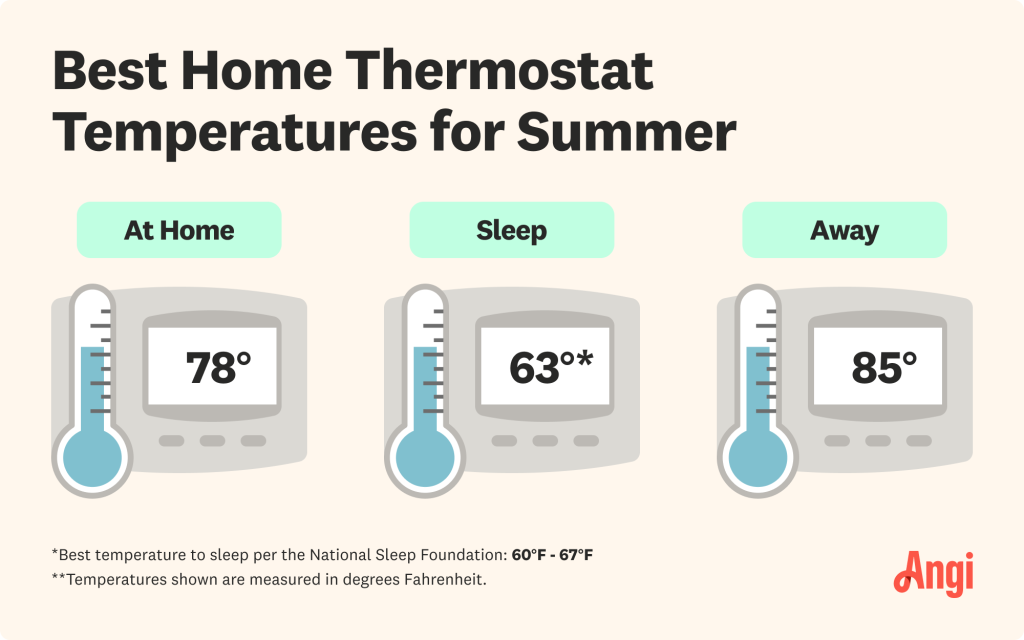
The ideal air conditioner temperaturefor comfort usually falls between 72°F and 78°F. Setting the thermostat within this range helps keep the room cool without using too much energy.
For better comfort, many people prefer 75°F. This temperature balances coolness and energy use well. It prevents the room from feeling too cold or too warm.
Energy efficiency is important. Setting the temperature higher in summer saves electricity and lowers bills. For example, 78°Fuses less power than 72°F but still feels comfortable.
- Use a fan to help circulate air at higher temperatures.
- Close curtains during sunny hours to keep heat out.
- Maintain your AC unit regularly for best performance.
Factors Influencing Temperature Choice
Climate and seasonaffect the best air conditioner temperature. Hot, dry climates may need cooler settings than mild, humid ones. Seasons change the outside temperature, so adjust the AC to match.
Room size and insulationmatter a lot. Big rooms need lower temperatures to cool fully. Well-insulated rooms keep cold air in, letting you set the temperature a bit higher.
Occupant preferencesdiffer. Some like it cooler, others warmer. Setting a comfortable temperature helps everyone feel good. Adjust based on who is in the room and their comfort needs.
Temperature Settings For Different Rooms
Living areasshould be set between 72°F and 75°F. This range keeps the room comfortable for most people. It balances coolness and energy use well.
Bedroomswork best at a cooler temperature, around 68°F to 70°F. Cooler air helps you sleep better. It also reduces night sweating and restlessness.
Home officesshould have a temperature near 70°F to 73°F. This keeps you alert and focused. Too cold or hot can make work hard.
Health And Safety Implications
Avoiding overcoolinghelps protect your health and saves energy. Setting the air conditioner too low can cause cold stress, headaches, and dry skin. It can also make your body work harder to stay warm. Keep the temperature around 24°C (75°F)for comfort and safety.
Managing humidity levelsis important for indoor air quality. Air conditioners remove moisture, but too much dryness can irritate your throat and skin. Too much humidity encourages mold growth and dust mites, causing allergies. Aim for indoor humidity between 40% and 60%for a healthy environment.
Smart Thermostats And Automation
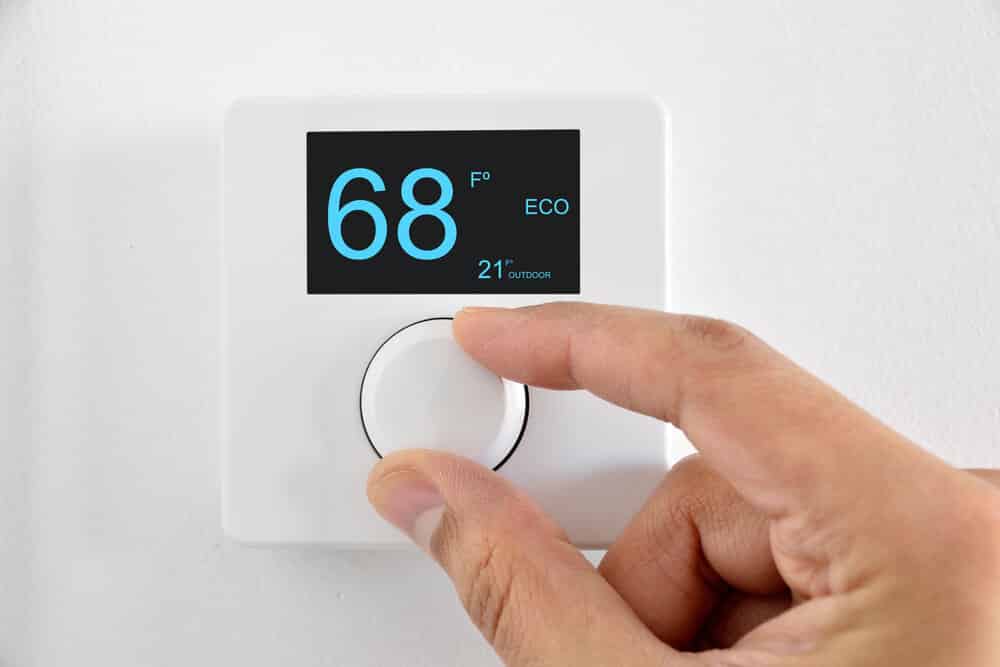
Programmable settingslet you set different temperatures for day and night. This saves energy and keeps your home comfortable. You can schedule the AC to turn off when no one is home. This means no wasted power. Some smart thermostats learn your routine and adjust automatically. It’s easy to change settings from your phone too. This gives you control even when you are away.
Sensors detect room temperature and movement. They help the AC cool only when needed. This avoids overcooling empty rooms. Sensors also balance temperature in different rooms. This creates optimal comfortthroughout your home. Smart thermostats with sensors keep your energy bills low. They make sure you are always comfortable without extra cost.
Credit: fischerheating.com
Tips To Maximize Air Conditioner Efficiency
Regular maintenancekeeps your air conditioner working well. Change filters every month. Clean the coils and check for leaks. This helps the system cool better and saves energy.
Sealing and insulatingyour home stops cool air from escaping. Use weatherstripping on doors and windows. Add insulation to walls and attic to keep heat out. This lowers the cooling load on your AC.
- Fanshelp spread cool air inside your rooms.
- Ceiling fans push air down to cool your skin.
- Use fans with the AC to stay comfortable at higher temperatures.
- This reduces energy use and lowers bills.
Credit: heatable.co.uk
Frequently Asked Questions
What Is The Ideal Ac Temperature For Summer?
The ideal air conditioner temperature for summer is around 78°F (25°C). This setting balances energy efficiency and comfort. It keeps your home cool while minimizing electricity consumption. Adjusting the temperature slightly based on personal comfort can also be beneficial.
How Does Ac Temperature Affect Energy Bills?
Setting your AC temperature higher saves energy and reduces bills. For each degree increase, you save about 3% on energy costs. Keeping the temperature around 78°F can ensure comfort and efficiency. Regular maintenance also helps the AC run efficiently.
Is 72 Degrees Too Cold For Air Conditioning?
Setting the AC to 72°F can lead to higher energy costs. While comfortable, it’s not energy-efficient compared to 78°F. A lower setting can strain the AC unit. For optimal balance, consider adjusting based on personal comfort and outdoor temperatures.
Can Ac Temperature Impact Indoor Air Quality?
Yes, AC temperature affects indoor air quality. A too-low setting can cause humidity issues, leading to mold growth. Maintaining a moderate temperature, like 78°F, helps control humidity. Proper humidity levels prevent allergens and maintain healthy indoor air quality.
Conclusion
Setting your air conditioner to the right temperature saves energy and money. Aim for a balance between comfort and efficiency. Around 24 to 26 degrees Celsius works well for most people. Adjust slightly based on your needs and outside weather.
Keep your home cool without overworking the AC. Small changes make a big difference. Stay comfortable and lower your bills. Simple steps lead to better results. Try different settings and find what suits you best.