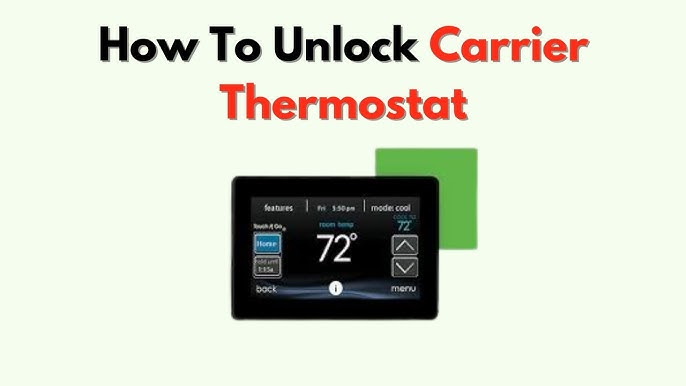
Are you tired of your air conditioner not cooling the way you want? Sometimes, the thermostat can be the reason your AC isn’t working properly.
If you want to take control and learn how to bypass the thermostat on your air conditioner, you’ve come to the right place. You’ll discover simple, clear steps to help you fix or test your AC quickly. Keep reading to find out how you can save time, avoid costly repairs, and get your air conditioner working like new again.

Credit: www.youtube.com
Reasons To Bypass Thermostat
Sometimes, your air conditioner’s thermostat might stop working properly. Bypassing the thermostat can help keep your system running in these cases.
People bypass thermostats to fix temperature control problems or test the air conditioner. This can be a temporary solution until the thermostat is replaced.
When To Consider Bypassing
You might think about bypassing the thermostat if the air conditioner does not turn on or off as it should. It can also help when the thermostat gives wrong temperature readings.
Bypassing is useful for quick testing or troubleshooting. Use it only if you understand basic electrical safety and the air conditioner wiring.
- The thermostat is broken or unresponsive
- The air conditioner does not start or stops unexpectedly
- You need to check if the AC unit works without the thermostat
- You want to temporarily control the AC manually
Risks And Precautions
Bypassing the thermostat can be risky if done wrong. It can cause electrical shocks or damage to the air conditioner.
Always turn off the power before working on the AC. Use proper tools and follow safety guidelines to avoid injury or harm to the unit.
- Risk of electric shock if wires are handled improperly
- Possible damage to the air conditioner’s compressor or fan
- Loss of temperature control, which may cause overheating
- Bypassing is only a temporary fix, not a permanent solution
Tools And Materials Needed
Bypassing a thermostat on an air conditioner requires specific tools and materials. Using the right equipment keeps the process safe and effective.
Gathering all necessary items before starting saves time and avoids mistakes. Each tool and safety gear plays a key role.
Essential Tools
These tools help you disconnect the thermostat wiring and control the air conditioner’s operation manually.
- Screwdrivers (flathead and Phillips) to remove panels and screws
- Wire strippers to expose the wire ends cleanly
- Needle-nose pliers for bending or holding wires
- Electrical tape to insulate exposed wires
- Multimeter to test voltage and continuity
Safety Equipment
Safety gear protects you from electric shocks and other hazards while working on the air conditioner.
| Equipment | Purpose |
| Insulated gloves | Prevent electric shock when handling wires |
| Safety goggles | Protect eyes from debris or sparks |
| Rubber-soled shoes | Provide insulation from the ground |
| Face mask | Protect from dust and particles |
Locating The Thermostat
Knowing where the thermostat is helps you control your air conditioner better. It is the key device that tells your AC when to turn on or off.
This guide explains how to find the thermostat by accessing the control panel and identifying the wires.
Accessing The Control Panel
The control panel is usually near the air conditioner or inside the house. It holds the thermostat and other controls.
- Turn off the power to the air conditioner for safety.
- Look for a small door or cover near the unit or inside on a wall.
- Use a screwdriver if needed to open the control panel cover.
- Check inside for the thermostat device attached to wires.
Identifying Thermostat Wires
Thermostat wires connect the control panel to the air conditioner. Each wire has a color and a function.
| Wire Color | Function |
| Red (R) | Power from thermostat |
| White (W) | Heating signal |
| Yellow (Y) | Cooling signal |
| Green (G) | Fan control |
| Common (C) | Continuous power |

Credit: www.reddit.com
Step-by-step Bypass Process
Bypassing the thermostat on an air conditioner allows the unit to run without temperature control. This can be useful for testing or troubleshooting. Follow the steps carefully to avoid damage or injury.
Make sure to have basic tools ready and work safely. Each section below guides you through the process.
Turning Off Power
Before working on any electrical parts, turn off the power to the air conditioner. This prevents electric shock and protects the system.
- Locate the circuit breaker or fuse box.
- Switch off the breaker for the air conditioner.
- Verify the power is off by trying to turn on the AC unit.
Disconnecting Thermostat
Once the power is off, find the thermostat wires and disconnect them carefully. This step isolates the thermostat from the system.
- Remove the thermostat cover.
- Locate the wires connected to the thermostat.
- Use a screwdriver to loosen the wire terminals.
- Gently pull the wires free from the thermostat.
Connecting Wires To Bypass
To bypass the thermostat, connect the wires that control the compressor and fan directly. This allows the air conditioner to run continuously.
| Wire Color | Function | Action |
|---|---|---|
| Red (R) | Power | Leave connected |
| Yellow (Y) | Compressor | Connect to Red (R) |
| Green (G) | Fan | Connect to Red (R) |
| White (W) | Heat (if present) | Leave disconnected |
Use wire nuts or electrical tape to secure the connections. Make sure no bare wires are exposed.
Testing The Air Conditioner
After connecting the wires, restore power and test the air conditioner. This confirms the bypass works correctly.
- Turn the power back on at the breaker.
- Turn on the air conditioner using the main switch.
- Check if the compressor and fan start running.
- Listen for unusual noises or check for error lights.
- If the AC runs smoothly, the bypass is successful.
Troubleshooting Common Issues
Bypassing the thermostat on an air conditioner can help you check if the thermostat is the cause of a problem. It is useful when your AC unit does not work as expected. This guide covers common issues you might face.
We will look at two main problems: the air conditioner not turning on and unusual noises or behaviors. Each section will explain what to check and how to fix it safely.
Air Conditioner Not Turning On
If your air conditioner does not start, the thermostat might be faulty. Bypassing the thermostat lets you test if the AC works without it. First, turn off the power to the unit to stay safe.
Check the wiring and connect the wires that go to the thermostat directly. This action sends power straight to the AC unit, skipping the thermostat. If the AC turns on, the thermostat is likely the problem.
- Turn off power before touching wires
- Remove thermostat wires carefully
- Connect wires to bypass thermostat
- Restore power and test the AC
- If AC works, replace the thermostat
Unusual Noises Or Behavior
Strange noises or odd behavior can come from a bad thermostat or other parts. Bypassing the thermostat helps to see if it causes these issues. If sounds stop or behavior changes, the thermostat may be faulty.
Listen for buzzing, clicking, or humming sounds. Also, watch if the AC cycles on and off too fast or runs too long. These signs show the thermostat might send wrong signals.
- Buzzing or clicking sounds near thermostat
- AC turns on and off quickly
- Unit runs without stopping
- Bypass thermostat to test behavior
- Replace thermostat if problems stop

Credit: www.reddit.com
Restoring The Thermostat
Bypassing a thermostat on an air conditioner can cause problems. It is important to restore the thermostat for safe use. This guide explains how to reconnect the thermostat and check its function.
Follow these steps carefully to ensure the thermostat works well again. Proper restoration helps the air conditioner run efficiently.
Reconnecting Wires
Start by turning off the power to the air conditioner. This keeps you safe while working with wires.
Find the wires that connect the thermostat to the air conditioner. They often include a red wire for power and a white wire for the fan.
- Match each wire to its correct terminal on the thermostat.
- Use a screwdriver to tighten wire connections.
- Check that no wires are loose or touching each other.
- Replace the thermostat cover after all wires are connected.
Verifying Proper Function
Turn the power back on to the air conditioner. Set the thermostat to a temperature lower than the room temperature.
Listen for the air conditioner to start running. Check if the fan and compressor turn on as expected.
- Make sure the air conditioner stops when the room reaches the set temperature.
- Test the thermostat by changing temperature settings.
- Confirm the thermostat display shows the correct temperature.
- Check for any unusual sounds or smells during operation.
Alternative Solutions
Bypassing a thermostat on an air conditioner is not always the best choice. There are safer and more reliable alternatives. These options help keep your AC running efficiently and prevent damage.
This guide covers using a replacement thermostat and professional repair options. Both can solve problems without risking your system.
Using A Replacement Thermostat
Replacing the thermostat is a direct way to fix control issues. New thermostats come with simple instructions and fit most air conditioners easily.
- Turn off power to the air conditioner before starting.
- Remove the old thermostat carefully, noting wire positions.
- Connect the wires to the new thermostat as per the manual.
- Mount the new thermostat securely on the wall or unit.
- Restore power and test the air conditioner’s response.
This method restores proper temperature control without bypassing safety features. It ensures your AC runs only when needed.
Professional Repair Options
When unsure about handling electrical parts, calling a professional is best. Experts have tools and knowledge to fix thermostats safely.
| Service | What It Includes | Benefits |
| Thermostat Diagnosis | Check wiring and sensor function | Pinpoints exact problem |
| Thermostat Replacement | Install new thermostat unit | Restores proper temperature control |
| System Calibration | Adjust settings for efficiency | Improves cooling performance |
Choosing professional repair avoids risks of damaging the AC or voiding warranties. It also saves time and effort.
Frequently Asked Questions
What Does Bypassing A Thermostat Mean?
Bypassing a thermostat involves disabling or overriding its control. This lets you manually control your air conditioner. Typically, it’s done for troubleshooting or if the thermostat is faulty. However, bypassing should be temporary and done with caution, as it may affect the system’s efficiency.
Can You Bypass A Thermostat Safely?
Yes, bypassing a thermostat can be done safely if you follow guidelines. Ensure the power is off before starting. Use proper tools and methods to avoid damaging the system. It’s recommended to consult a professional to ensure safety and efficiency.
Why Would You Bypass An Ac Thermostat?
You might bypass an AC thermostat for several reasons. Common reasons include troubleshooting, testing, or diagnosing thermostat issues. Sometimes, it’s done if the thermostat is malfunctioning or to manually control the system. Always ensure it’s a temporary solution and consider professional help for permanent fixes.
Is It Legal To Bypass A Thermostat?
Bypassing a thermostat is generally legal, but it should be done responsibly. It’s crucial to follow safety guidelines and manufacturer instructions. Always ensure that any modifications do not violate warranty terms. Consulting a professional ensures compliance with local regulations and safety standards.
Conclusion
Bypassing a thermostat on an air conditioner takes care and attention. Always turn off power before starting any work. Follow the steps carefully to avoid damage or injury. Remember, this method is for specific situations only. If unsure, ask a professional for help.
Keeping your air conditioner running smoothly saves energy and money. Stay safe and use these tips wisely.