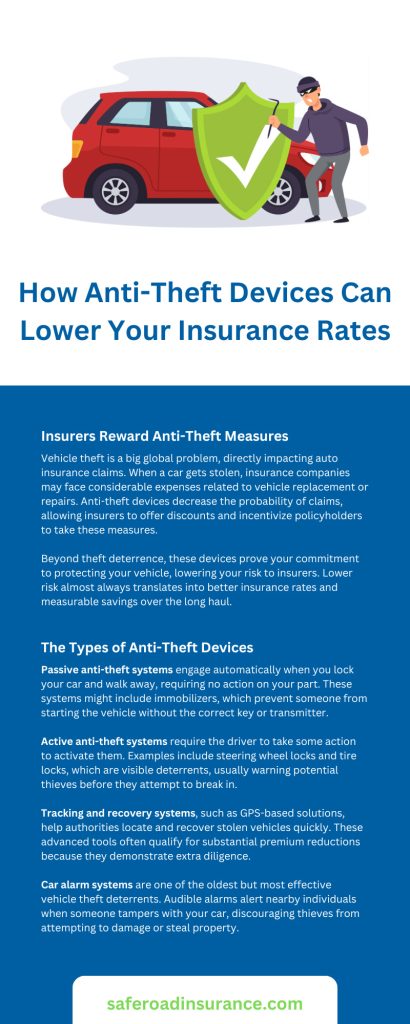
Have you ever worried about your car being stolen? What if there was a way to protect your vehicle and even save money on your insurance?
That’s where an anti-theft device in car insurance comes in. Understanding how these devices work and why they matter can make a big difference for you and your wallet. Keep reading to discover what an anti-theft device is, how it impacts your insurance, and why it could be the smart choice to keep your car—and your peace of mind—safe.
Credit: gearjunkie.com
Role Of Anti Theft Devices
Anti theft devices help protect vehicles from being stolen. They make it harder for thieves to take your car. These devices also reduce insurance costs for car owners.
Car insurance companies often give discounts if your vehicle has anti theft devices. These tools add an extra layer of security and peace of mind.
Types Of Anti Theft Devices
There are many types of anti theft devices. Some stop the car from starting. Others alert owners or scare off thieves. Each type serves a different role in protection.
- Immobilizers: Block the engine from starting without the right key.
- Car Alarms: Sound loud warnings if someone tries to break in.
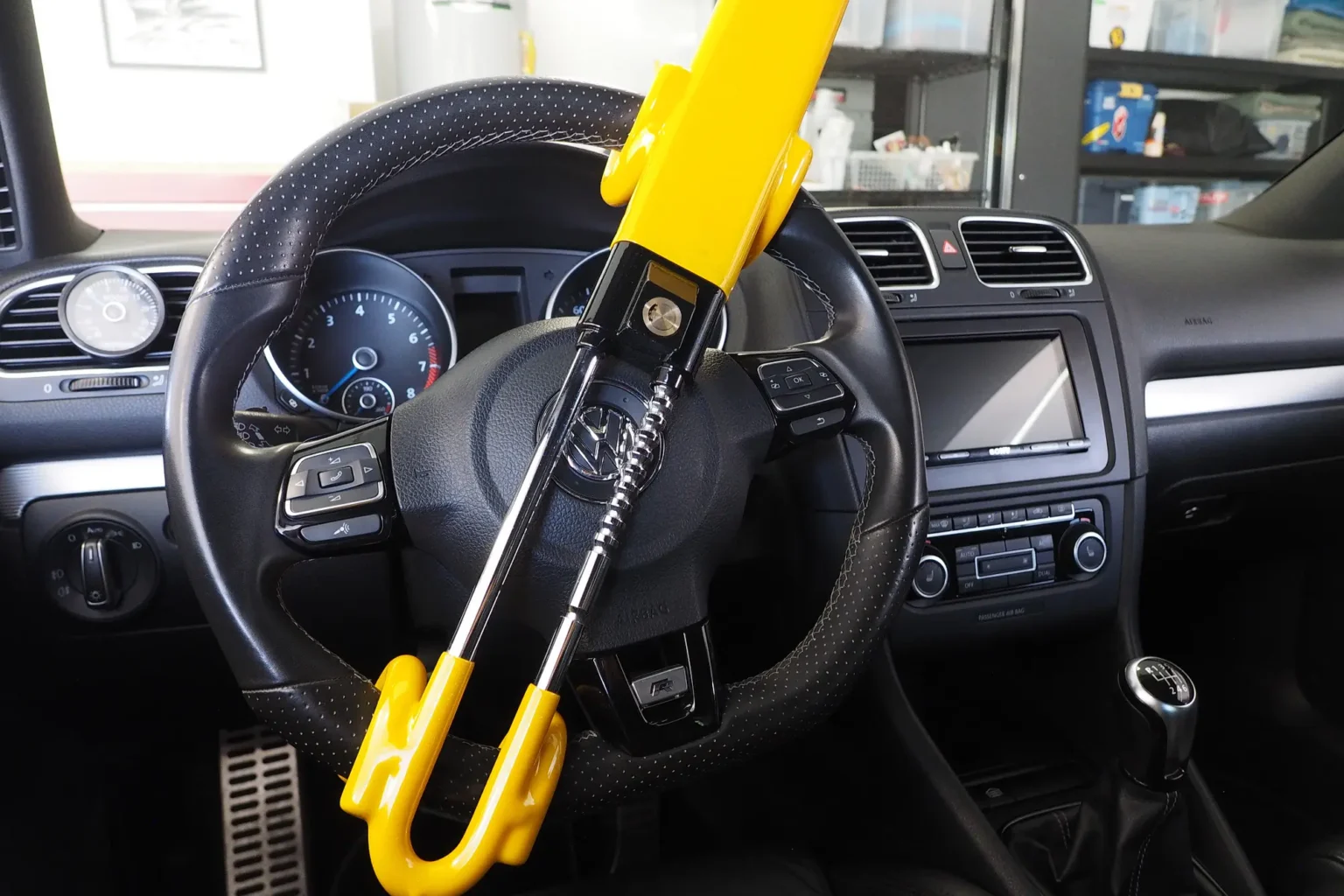
- Steering Locks: Physically lock the steering wheel to prevent driving.
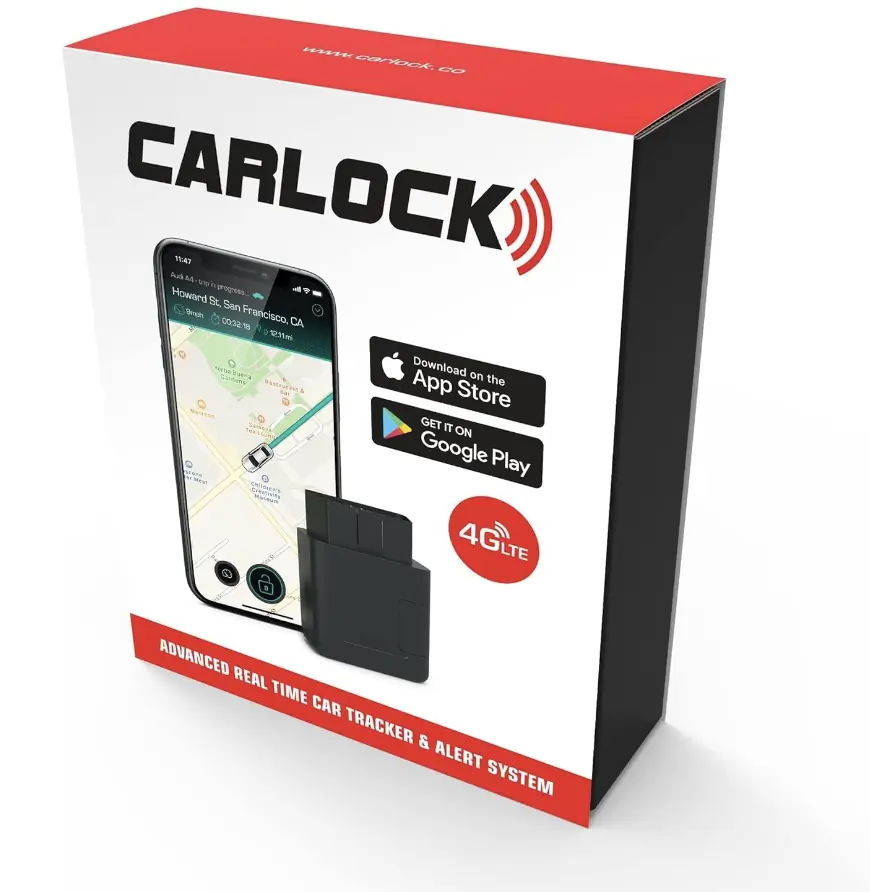
- GPS Trackers: Help find the car if it is stolen.
- Kill Switches: Cut off the fuel or electrical system to stop the car.
How Devices Prevent Theft
Anti theft devices stop theft in different ways. They can block access, alert owners, or make the car unusable. This discourages thieves and lowers theft chances.
| Device | Method | Effect |
| Immobilizer | Blocks engine start | Prevents unauthorized use |
| Car Alarm | Sounds loud noise | Alerts owner and scares thief |
| Steering Lock | Locks steering wheel | Stops driving the car |
| GPS Tracker | Tracks vehicle location | Aids in recovery |
| Kill Switch | Stops fuel/electricity | Makes car unusable |
Technology Behind The Devices
Modern anti theft devices use smart technology. Many connect with smartphones or car systems. They use sensors, GPS, and wireless signals to work well.
Some key technologies include:
- RFID chips for key recognition
- Motion sensors to detect unusual movement
- GPS for real-time tracking
- Bluetooth and Wi-Fi for remote control
- Automatic engine cut-off systems
Benefits In Car Insurance
An anti theft device helps protect your car from being stolen. Insurance companies value this security feature. It can lower your insurance costs and improve your claim process.
Using an anti theft device shows you take steps to keep your vehicle safe. This can lead to better insurance coverage and savings.
Discounts And Premium Reductions
Many insurers offer discounts if your car has an anti theft device. This device lowers the risk of theft, so companies charge less for coverage.
Premium reductions mean you pay less money every month or year for your insurance. The savings depend on the device type and insurer.
- Alarms and immobilizers reduce premiums
- GPS tracking devices get higher discounts
- Steering locks and kill switches may also qualify
Enhanced Claim Approval
An anti theft device can help speed up claim approval. It shows the insurer you tried to prevent theft, making claims easier to accept.
If your car is stolen, proof of the device can support your claim. Insurance companies trust cars with such devices more.
- Faster investigation process
- Better proof of vehicle security
- Less chance of claim denial
Impact On Insurance Coverage
Having an anti theft device can improve your insurance coverage options. Insurers may offer higher limits or extra protection.
This device lowers risk, so insurance companies are willing to cover more. You get better protection for your car.
- Access to comprehensive coverage plans
- Option for lower deductibles
- Added protection against theft losses
Choosing The Right Device
Anti theft devices help protect your car from theft. Choosing the right one can lower insurance costs.
Pick a device that fits your car and your budget. It should be easy to use and reliable.
Factors To Consider
Think about how the device works and its features. Some devices are more secure than others.
Check if your insurance company accepts the device. Some offer discounts only for certain devices.
- Compatibility with your car model
- Type of security features
- Cost of the device and installation
- Insurance company approval
- Ease of use and maintenance
Popular Device Options
Many devices help prevent car theft. Some are simple, others use advanced technology.
- Steering wheel locks – physical barrier to prevent steering
- Car alarms – sound alert if someone tries to break in
- GPS trackers – allow you to find your car if stolen
- Immobilizers – stop the engine from starting without a key
- Kill switches – cut off power to the engine or fuel system
Installation Tips
Install the device correctly for best protection. Poor installation may reduce effectiveness.
Use professional help if you are unsure. Follow the device instructions carefully.
- Choose a hidden but accessible location for the device
- Secure wiring to avoid tampering
- Test the device after installation
- Keep manuals and warranty info safe
- Inform your insurer about the installed device
Maintaining Your Anti Theft Device
Keeping your car’s anti theft device in good shape helps protect your vehicle. Regular care ensures the device works well.
Proper maintenance can also keep your car insurance benefits intact. It helps avoid problems with device failures.
Regular Checks And Updates
Check your anti theft device often to make sure it is working right. Look for any signs of damage or wear.
Keep the device’s software updated if it has electronic parts. Updates improve security and fix bugs.
- Test the alarm and sensors regularly
- Inspect wires and connections for damage
- Update software through the manufacturer’s app or website
- Replace batteries in remote controls as needed
Troubleshooting Common Issues
If your anti theft device acts up, check simple problems first. Sometimes the issue is easy to fix.
Look for false alarms or failure to arm. These can mean sensor problems or low battery power.
- Reset the device by turning it off and on
- Replace old or weak batteries
- Clean sensors to remove dirt or dust
- Check if the device is blocked or covered
When To Replace Devices
Replace your anti theft device if it stops working well. Old or broken devices may not protect your car.
Frequent false alarms or failure to arm are signs you need a new device. Also replace if the device is outdated.
- Device no longer responds to controls
- Parts are damaged beyond repair
- Manufacturer no longer supports updates
- Insurance company requires newer technology
Claims And Anti Theft Devices
Anti theft devices help protect cars from being stolen. Insurance companies often give benefits for having these devices.
These devices can affect how claims are handled after theft. They also play a role in investigations and claim approvals.
Filing Claims With Device Evidence
When filing a theft claim, showing proof of an anti theft device helps. It can speed up claim approval and show you took precautions.
Insurance may ask for documents or photos of the device. Keep receipts and installation proof ready to share.
- Provide device purchase receipts
- Show installation certificates
- Share photos of the device in your car
Role In Theft Investigations
Anti theft devices can help police find stolen cars faster. GPS trackers or alarms alert authorities quickly.
These devices give clues about how the theft happened. This information supports insurance and police reports.
- Track car location after theft
- Record attempts to break in
- Alert owners and police about theft
Avoiding Claim Denials
Insurance claims can be denied if anti theft devices are missing or not working. Keep devices active and maintained.
Report any device problems to your insurer. This shows you follow policy rules and helps avoid denials.
- Install devices properly
- Maintain and test devices often
- Inform insurer of device status
- Submit proof with claims
Credit: gearjunkie.com

Credit: www.youtube.com
Frequently Asked Questions
What Is An Anti-theft Device In Car Insurance?
An anti-theft device in car insurance is a security feature that deters vehicle theft. It includes alarms, immobilizers, and tracking systems. Having such a device can lower insurance premiums because it reduces the risk of theft. Insurers often offer discounts for vehicles equipped with effective anti-theft devices.
How Does An Anti-theft Device Affect Premiums?
Anti-theft devices can reduce car insurance premiums by lowering theft risk. Insurance companies offer discounts for vehicles with such devices. The reduction depends on the device’s effectiveness and the insurer’s policy. Installing a certified anti-theft system can significantly impact your premium savings.
Are All Anti-theft Devices Eligible For Discounts?
Not all anti-theft devices qualify for insurance discounts. Insurers typically prefer professionally installed and certified systems. Basic alarms may not always lead to savings. It’s important to check with your insurer about eligible devices. Approved systems like immobilizers and GPS trackers often qualify for discounts.
Which Anti-theft Devices Are Most Effective?
Effective anti-theft devices include immobilizers, GPS trackers, and steering wheel locks. Immobilizers prevent the engine from starting without the correct key. GPS trackers help locate stolen vehicles quickly. Steering wheel locks deter thieves by making it difficult to steer. These devices significantly enhance vehicle security.
Conclusion
An anti-theft device helps protect your car from being stolen. Insurance companies often give discounts for these devices. They lower the risk of theft and save you money. Choosing the right device adds extra safety to your vehicle. It also shows insurers you care about security.
Installing one is a smart step for any car owner. Keep your car safe and enjoy peace of mind. Small actions can make a big difference.