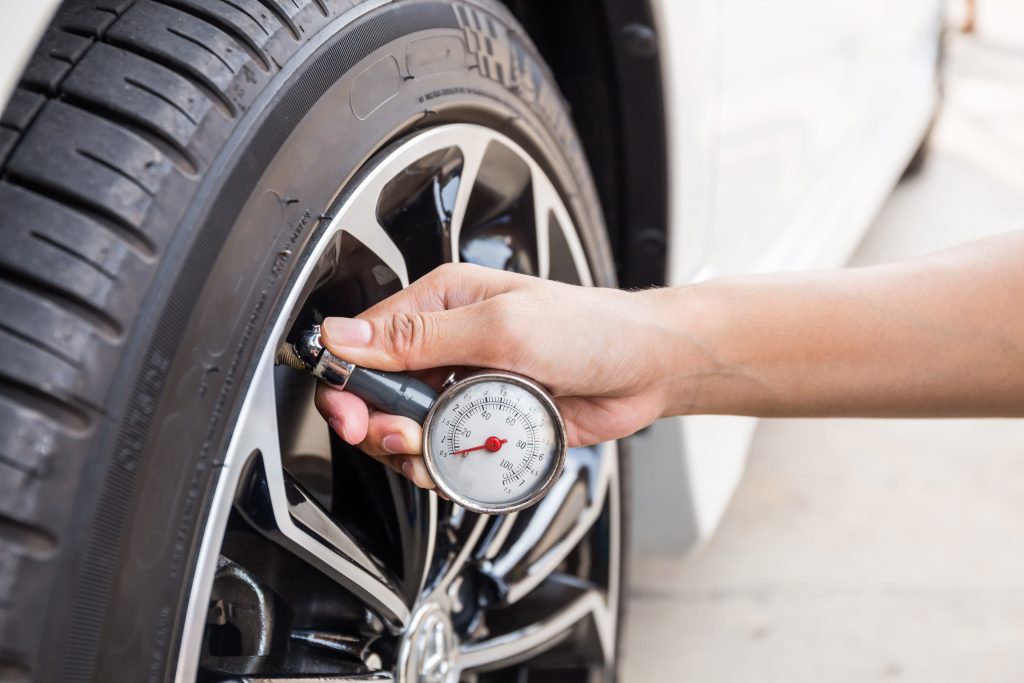
Are you sure your car’s tires are properly inflated? Checking your tire pressure is one of the easiest ways to improve your safety, save fuel, and extend the life of your tires.
Yet, many drivers overlook this simple step. Imagine avoiding unexpected flat tires or poor handling just by taking a few minutes to check your tire pressure regularly. In this guide, you’ll learn exactly how to do it quickly and accurately—no special tools or skills needed.
Keep reading, and you’ll never have to worry about whether your tires are ready for the road again.
Why Tire Pressure Matters
Maintaining the correct tire pressure is very important for your car’s safety and performance.
Proper tire pressure helps your vehicle drive smoothly and saves fuel.
Improves Safety
Correct tire pressure reduces the risk of tire blowouts and accidents.
It keeps your car stable when turning and braking.
Enhances Fuel Efficiency
Underinflated tires create more resistance, which wastes gas.
Properly inflated tires help your car use less fuel and save money.
Extends Tire Life
Tires with correct pressure wear evenly and last longer.
- Underinflated tires wear out on the edges.
- Overinflated tires wear out in the center.
- Even wear means fewer tire replacements.
Improves Driving Comfort
Proper tire pressure provides a smooth and comfortable ride.
| Effect | Low Tire Pressure | Correct Tire Pressure |
|---|---|---|
| Fuel Economy | Decreases | Optimized |
| Tire Wear | Uneven, fast | Even, slow |
| Driving Safety | Reduced | Improved |
| Comfort | Harsh ride | Smooth ride |
Tools Needed For Checking Pressure
Checking your car’s tire pressure is easy with the right tools. Using the correct tools helps you keep your tires safe and efficient.
Below are the main tools you need to check tire pressure at home or on the road.
Tire Pressure Gauge
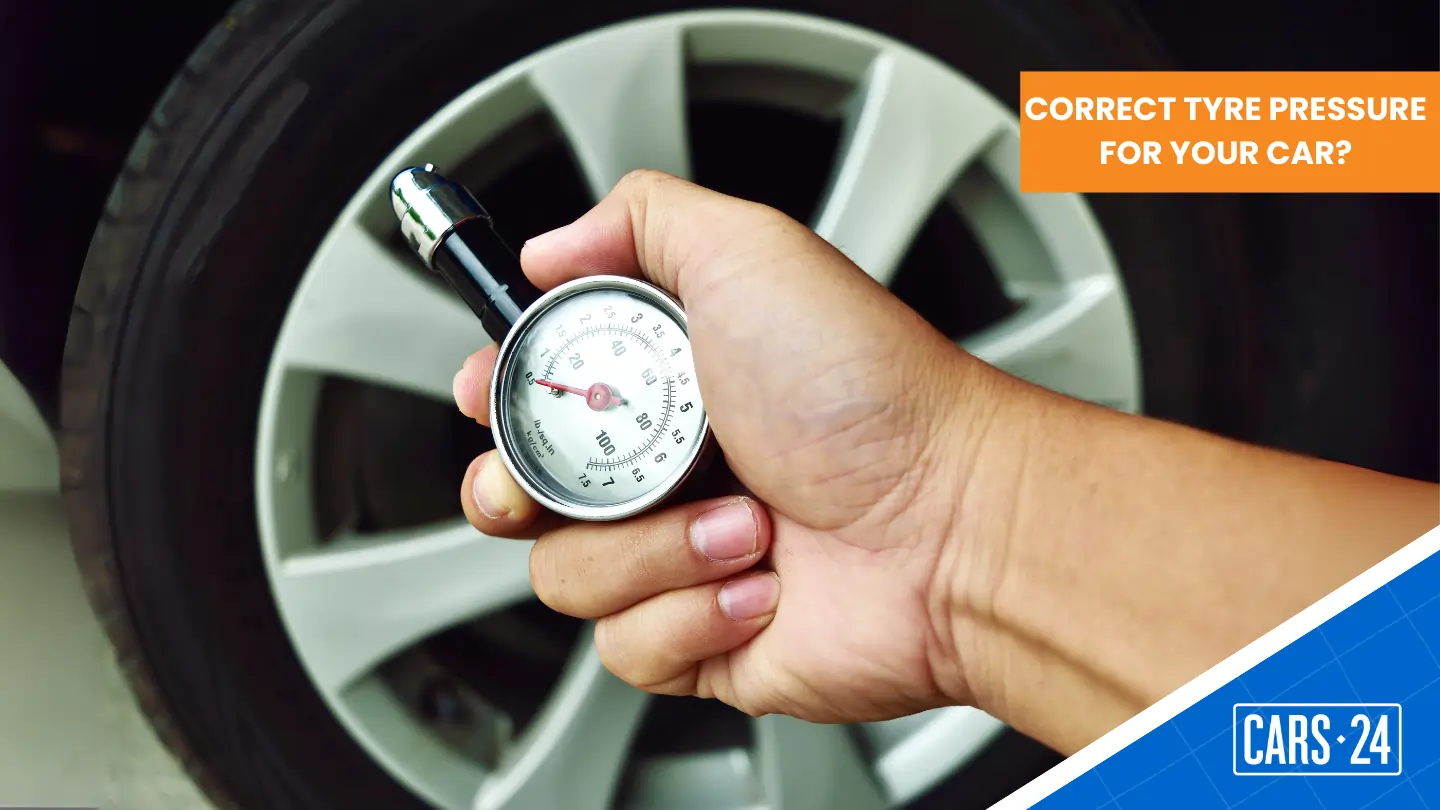
A tire pressure gauge measures the air pressure inside your tires. It shows if your tire pressure is too low or too high.
There are different types of tire pressure gauges, including digital and analog models. Both work well if used correctly.
- Digital gauges give a clear number on a screen
- Analog gauges use a dial with a needle
- Pen-style gauges are small and easy to carry
Air Compressor Or Pump
An air compressor or pump adds air to your tires when pressure is low. Many gas stations have air compressors you can use.
You can also buy a portable air compressor to keep in your car. This tool makes it easy to fill tires anytime.
Valve Stem Tool
A valve stem tool helps you remove or tighten the valve core inside the tire valve. It is useful if the valve leaks air.
This small tool is not always needed but can help fix small tire issues without visiting a mechanic.
Tire Pressure Sticker Or Manual
Your car has a recommended tire pressure listed on a sticker or in the owner’s manual. This tells you the right pressure for your tires.
Always check this number before adjusting your tire pressure to keep your car safe and running well.
Locating The Valve Stem
The valve stem is a small, important part of your car tire. It lets you check and adjust the air pressure inside the tire.
Finding the valve stem is the first step to ensure your tires have the right air pressure for safe driving.
Look Around The Tire Rim
Check the outer edge of the tire rim for a small tube sticking out. This is usually the valve stem.
The valve stem is often made of rubber or metal. It is usually about an inch long.
Identify The Cap On The Valve Stem
The valve stem has a small cap on top. The cap protects the valve from dirt and moisture.
You can twist the cap off by hand to access the valve for pressure checking.
Check Each Tire For Valve Stems
Every tire has its own valve stem. Make sure to find them on all four tires.
- Front left tire
- Front right tire
- Rear left tire
- Rear right tire
Some cars have a valve stem on the spare tire too. Check it if you want to be sure.

Credit: www.carhub.ca
Using A Tire Pressure Gauge
Checking your car’s tire pressure is important for safety and fuel efficiency. A tire pressure gauge helps you measure the air pressure inside your tires.
There are different types of gauges you can use. Knowing how to use them will keep your tires in good condition.
Digital Vs Analog Gauges
Digital gauges show the pressure on a screen. They are easy to read and often more accurate. You just press the gauge on the valve and get a quick result.
Analog gauges use a small dial with a needle. They do not need batteries. You read the pressure by looking at where the needle points on the dial.
- Digital: Clear screen, fast reading, may need batteries
- Analog: No batteries, simple design, can be harder to read
Step-by-step Measurement
Check your tire pressure when the tires are cold. This gives the most accurate reading.
- Remove the valve cap from the tire.
- Press the tire pressure gauge onto the valve stem firmly.
- Read the pressure on the gauge display or dial.
- Compare the reading to the recommended tire pressure.
- Repeat for all tires, including the spare if you have one.
- Replace the valve caps after checking.
If the pressure is too low, add air. If it is too high, release some air. Check the pressure again after adjusting.
Finding The Recommended Pressure
Checking tire pressure keeps your car safe and saves fuel. Use the correct pressure for best results.
Each car has a recommended tire pressure. Find it before you check your tires.
Owner’s Manual
Your car’s owner’s manual lists the correct tire pressure. It is usually found in the maintenance section.
Look for numbers in PSI (pounds per square inch). They tell you how much air to put in each tire.
Sticker Inside Driver’s Door
Open the driver’s door and find a sticker on the frame or door edge. It shows the recommended tire pressure.
This sticker gives pressure for front and rear tires. Follow these numbers for safe driving.
- Pressure is shown in PSI or kPa
- Values may differ for front and rear tires
- Check this sticker if you don’t have the manual
Adjusting Tire Pressure
Keeping your car’s tire pressure at the right level is very important. It helps your car drive safely and saves fuel.
You can adjust tire pressure by adding air or releasing air. Both actions need a tire pressure gauge and an air pump or tool.
Adding Air
If your tire pressure is too low, add air to reach the recommended level. This helps your tires last longer and improves car handling.
- Remove the valve cap from the tire.
- Press the air pump nozzle onto the valve stem firmly.
- Fill the tire with air in short bursts.
- Check the pressure with a tire gauge after each burst.
- Stop adding air once the desired pressure is reached.
- Replace the valve cap securely.
Releasing Air
If the tire pressure is too high, release some air. This prevents tire damage and improves ride comfort.
| Action | How to Do It |
| Locate valve stem | Find the small rubber or metal valve on the tire. |
| Press valve core | Use a small tool or your fingernail to press inside the valve. |
| Check pressure | Use a gauge frequently while releasing air. |
| Stop releasing air | Once pressure reaches recommended level. |
| Replace valve cap | Screw the cap back to keep dirt out. |
Checking Pressure Regularly
Keeping the right tire pressure is important for your car’s safety. It also helps your tires last longer.
Check your tire pressure often to avoid problems on the road. It only takes a few minutes.
Best Times To Check
Check tire pressure before long trips or heavy loads. This ensures your tires are ready for the extra stress.
Also, check pressure when tires are cold. Heat can make the pressure seem higher than it really is.
- Before driving more than 50 miles
- When carrying heavy cargo
- At least once a month
- After hitting potholes or bumps
Seasonal Considerations
Tire pressure changes with the weather. Cold air makes pressure drop. Warm air makes it rise.
Check pressure more often in winter and summer. This keeps your tires safe and working well.
- Check pressure weekly in cold weather
- Adjust pressure after big temperature changes
- Use a reliable tire gauge
Credit: tiredirect.ca
Common Mistakes To Avoid
Checking tire pressure is important for safe driving and good fuel efficiency. Many people make errors that can give wrong readings or damage tires.
Understanding common mistakes helps you get accurate results and keep your tires in good shape. Read on to learn what to avoid.
Not Checking Tires When Cold
Measuring tire pressure right after driving can give false readings. Tires heat up and air expands, raising the pressure.
Always check pressure when tires are cold, ideally before driving or after the car has been parked for several hours.
Using A Faulty Pressure Gauge
Pressure gauges can wear out or break over time. Using a broken gauge leads to wrong readings and unsafe tire pressure.
- Buy a good quality gauge from a trusted brand.
- Calibrate your gauge regularly if possible.
- Replace the gauge if it shows inconsistent results.
Ignoring The Recommended Tire Pressure
Each car has a recommended tire pressure shown on a sticker inside the driver’s door or in the manual. Ignoring this can cause tire damage or poor handling.
| Incorrect Pressure | Possible Problems |
| Too High | Harsh ride, uneven tire wear, more risk of blowouts |
| Too Low | Poor fuel economy, tire overheating, increased wear |
| Correct Pressure | Better safety, even wear, and good fuel efficiency |
Not Replacing Valve Caps
Valve caps protect the valve stem from dirt and moisture. Missing caps can cause leaks or valve damage over time.
Tip:Always screw the valve cap back on tightly after checking pressure.
Benefits Of Proper Tire Pressure
Keeping your car tires at the right pressure is very important. It helps your car run smoothly and safely.
Proper tire pressure saves money and makes driving more comfortable. It also helps your tires last longer.
Improves Fuel Efficiency
When tires have the correct pressure, the car uses less fuel. Low tire pressure makes the engine work harder.
Properly inflated tires reduce rolling resistance. This means your car needs less gas to move.
Enhances Safety On The Road
Correct tire pressure helps your car grip the road better. This reduces the chance of accidents.
It also improves braking and steering control, making your drive safer in all weather conditions.
Extends Tire Life
Tires with the right pressure wear out evenly. This helps them last longer and saves money on replacements.
Underinflated or overinflated tires can cause uneven wear and damage the tire structure.
Improves Driving Comfort
Proper tire pressure gives a smooth ride. It reduces vibrations and bumps felt inside the car.
This makes driving less tiring and more enjoyable, especially on long trips or rough roads.
Credit: www.cars24.com.au
Frequently Asked Questions
How Often Should I Check Tire Pressure?
It’s recommended to check your tire pressure monthly. Regular checks ensure optimal performance, safety, and fuel efficiency. Always check tires when they’re cold for accurate readings. Keeping up with this routine helps prevent uneven tire wear and improves your vehicle’s handling.
What Tools Do I Need For Checking Tire Pressure?
To check tire pressure, you’ll need a reliable tire pressure gauge. You can choose between digital and analog gauges. A digital gauge provides quick and accurate readings. It’s also useful to have an air compressor handy to adjust tire pressure as needed.
Why Is Correct Tire Pressure Important?
Correct tire pressure ensures optimal vehicle performance and safety. It enhances fuel efficiency and extends tire lifespan. Properly inflated tires offer better grip and handling. They also reduce the risk of blowouts and improve braking performance, making your drive safer.
Can I Check Tire Pressure After Driving?
It’s best to check tire pressure when tires are cold. Driving heats up tires, increasing pressure and leading to inaccurate readings. Wait at least three hours after driving before checking. This ensures you get a precise measurement of your tire pressure.
Conclusion
Checking tire pressure keeps your car safe and running well. Use a tire gauge to get the right reading. Check pressure when tires are cold for best results. Keep the pressure at the level shown in your car’s manual. Regular checks help save fuel and prevent tire damage.
Small effort, big difference. Stay safe on the road by making tire pressure a habit. Easy to do, worth the time. Your car and your wallet will thank you.