Have you ever noticed your car tires feeling a bit flat when the temperature drops? You might be wondering, “Do car tires lose air in cold weather?” The answer is yes, and it’s something that can affect your safety and driving experience.
Understanding why this happens and how to handle it can save you from unexpected problems on the road. Keep reading to discover what causes air loss in your tires during cold weather and what simple steps you can take to keep your car running smoothly all winter long.
How Cold Affects Tire Pressure
Car tires lose air pressure when the weather gets cold. This happens because cold air changes how air inside the tire behaves. Knowing why tire pressure drops can help you keep your car safe in winter.
Low tire pressure can cause poor handling and wear out tires faster. It is important to check your tire pressure often during cold months.
Science Behind Air Contraction
Air inside your tires contracts, or shrinks, when the temperature drops. This means the air takes up less space. Less space means less pressure pushing out on the tire walls.
Cold air molecules move slower and stay closer together. This causes the air volume to decrease. Because tires are sealed, the pressure inside lowers as the air contracts.
- Cold air contracts, reducing volume inside tires
- Less air volume equals lower tire pressure
- Slower air molecules mean less force on tire walls
Temperature And Pressure Relationship
Tire pressure changes with temperature. When temperature goes down, pressure drops too. This happens because air pressure and temperature are directly linked.
For every 10 degrees Fahrenheit drop, tire pressure falls about 1 to 2 PSI. This is why tires feel softer in winter and need more air added.
| Temperature Change (°F) | Pressure Change (PSI) |
|---|---|
| -10 | -1 to -2 |
| -20 | -2 to -4 |
| -30 | -3 to -6 |

Credit: www.youtube.com
Signs Of Low Tire Pressure In Winter
Car tires can lose air in cold weather. This happens because air shrinks when it gets colder. It is important to spot signs of low tire pressure early. Low pressure can affect your safety and driving.
Knowing the signs helps you check and fix tires before problems get worse. Look for visual clues and changes in how your car drives.
Visual Indicators
One clear sign of low tire pressure is how the tire looks. Tires with low air often appear flatter than usual. The sides may bulge out, and the tire may seem wider where it touches the road.
Check your tires regularly in winter for these visual signs. You can spot a problem before it causes damage or a flat tire.
- Tire looks squished or flat
- Sides of the tire bulge out
- Tire tread touches the road unevenly
- Cracks or damage may appear from low pressure
Impact On Vehicle Performance
Low tire pressure changes how your car drives. It can make steering harder and reduce control on icy or snowy roads. This lowers your safety during winter trips.
It also causes your car to use more fuel. Tires with low air wear out faster and unevenly. Fixing low pressure helps your car run better and saves money on repairs.
- Harder to steer and control the car
- Longer stopping distances on slippery roads
- Increased fuel consumption
- Faster and uneven tire wear
Risks Of Driving With Underinflated Tires
Car tires lose air in cold weather. This causes underinflation, which can be dangerous. Driving with low tire pressure brings many risks.
It is important to understand these risks. Checking tire pressure often keeps you safe and saves money.
Safety Concerns
Underinflated tires reduce how well your car handles. Your car may skid or take longer to stop. This increases the chance of an accident.
Low tire pressure also raises the risk of tire blowouts. Blowouts can cause you to lose control of the vehicle.
- Poor vehicle control on wet or icy roads
- Longer braking distances
- Higher chance of tire failure or blowout
Fuel Efficiency Drop
Tires with low air pressure create more rolling resistance. This means your car uses more fuel to move forward. You will spend more money on gas.
Keeping tires properly inflated helps your car run better and saves fuel.
- Increased fuel consumption with underinflated tires
- Higher fuel costs over time
- More pollution from extra fuel use
Tire Wear And Damage
Underinflated tires wear out faster and unevenly. This shortens the life of your tires. It also can cause permanent damage.
Low pressure causes the tire edges to rub more on the road. This leads to cracks and weak spots.
- Faster tire tread wear
- Uneven tire wear patterns
- Increased risk of tire damage and punctures
- Need to replace tires sooner
Maintaining Proper Tire Pressure In Cold Weather
Cold weather can cause car tires to lose air pressure. This happens because air contracts when it gets colder. Low tire pressure affects driving safety and fuel efficiency.
Checking and adjusting tire pressure in cold weather keeps your car safe. It also helps your tires last longer. Here are ways to maintain the right pressure.
Checking Frequency
Check your tire pressure more often in cold weather. Tires can lose pressure quickly as temperatures drop. Aim to check at least once a week during winter months.
- Check pressure before long trips
- Inspect tires when temperature changes suddenly
- Always check when tires are cold, before driving
Using Reliable Pressure Gauges
Use a good pressure gauge for accurate readings. Cheap or old gauges may give wrong numbers. Digital gauges often offer easy-to-read results.
| Gauge Type | Advantages | Disadvantages |
| Digital | Easy to read, accurate | Needs battery |
| Dial | Durable, no battery | Harder to read |
| Stick | Simple and cheap | Less accurate |
Adjusting Pressure For Temperature Changes
Tire pressure changes about 1 PSI for every 10°F change in temperature. Add air to keep tires at the recommended pressure during cold weather.
- Find the recommended pressure in your car manual or door sticker
- Check pressure when tires are cold
- Add 1–2 PSI if temperature drops significantly
- Do not overinflate, as this can cause uneven wear
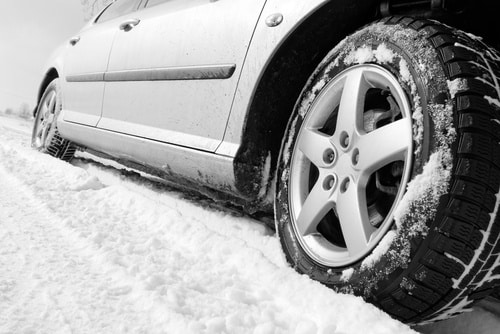
Benefits Of Winter Tires
Winter tires help keep your car safe in cold weather. They are made to handle snow and ice well.
Using winter tires can improve driving control and reduce accidents during winter months.
Design Features For Cold Conditions
Winter tires use special rubber that stays soft in cold weather. This helps the tire grip the road better.
- Deeper tread patterns to move snow and water away
- Flexible rubber compounds that do not harden in the cold
- Small slits called sipes that increase traction on ice
Performance Advantages
| Performance Factor | Winter Tires | All-Season Tires |
| Grip on Snow | Excellent | Moderate |
| Handling on Ice | Good | Poor |
| Braking Distance | Shorter | Longer |
| Rubber Flexibility | High | Low |
Winter tires give better control and safety on cold roads. They reduce slipping and help stop sooner.
Credit: www.1800leefree.com
Tips For Winter Tire Care
Car tires lose air in cold weather. Cold air makes tire pressure drop. This can affect driving safety and tire life.
Proper winter tire care helps keep your car safe. Follow these tips to maintain your tires during cold months.
Storage Recommendations
Store tires in a cool, dry place away from sunlight. Heat and light can damage rubber over time. Keep tires off the ground to avoid moisture damage.
If you remove winter tires, clean them first. Remove dirt and brake dust. Store tires in airtight bags to keep air and moisture out.
Regular Inspections
Check your tire pressure once a week in winter. Cold air lowers pressure, so add air if needed. Proper pressure helps grip and fuel economy.
Look for cracks, cuts, or uneven wear. These signs show tire problems. Fix them before driving in snow or ice.
- Use a tire pressure gauge regularly
- Inspect tread depth for safe traction
- Look for damage on sidewalls and tread
When To Replace Tires
Replace tires if tread depth is below 4/32 inch. Worn tires slip more on ice and snow. Old tires can harden and lose grip.
Also replace tires if you see cracks or bulges. These flaws can cause blowouts. Check your tire age; most last about six years.
- Replace tires if tread is too low
- Replace damaged or cracked tires
- Replace tires older than six years

Credit: burtbrothers.com
Frequently Asked Questions
Why Do Tires Lose Air In Cold Weather?
Tires lose air in cold weather due to decreased air pressure. Cold temperatures cause air molecules to contract, reducing tire pressure. This phenomenon is known as thermal contraction. Regularly checking tire pressure during colder months can help maintain optimal tire performance and safety.
How Much Air Do Tires Lose In Winter?
Tires can lose about 1-2 PSI for every 10°F drop in temperature. This reduction is due to the contraction of air molecules in colder conditions. Regularly monitoring and adjusting tire pressure during winter helps ensure safety and efficiency.
Is It Normal For Tires To Deflate In Cold?
Yes, it’s normal for tires to deflate in cold weather. Cold temperatures cause air molecules to contract, reducing tire pressure. This is a common occurrence during winter months. Regular tire pressure checks are essential to maintain safety and vehicle performance.
How Can I Prevent Air Loss In Tires?
To prevent air loss, regularly check and inflate tires to recommended PSI levels. Use a quality tire gauge for accurate measurements. Park in a garage if possible to reduce exposure to extreme cold. Regular maintenance ensures optimal tire performance and safety.
Conclusion
Cold weather makes car tires lose air faster. Tires shrink when it gets cold outside. This lowers tire pressure and can affect safety. Check tire pressure often during winter months. Keep your tires properly inflated for better driving. Low pressure can cause poor fuel economy and uneven wear.
Don’t ignore tire care in cold weather. Stay safe and save money by maintaining tire pressure. It only takes a few minutes but helps a lot. Cold air means more attention to your tires.