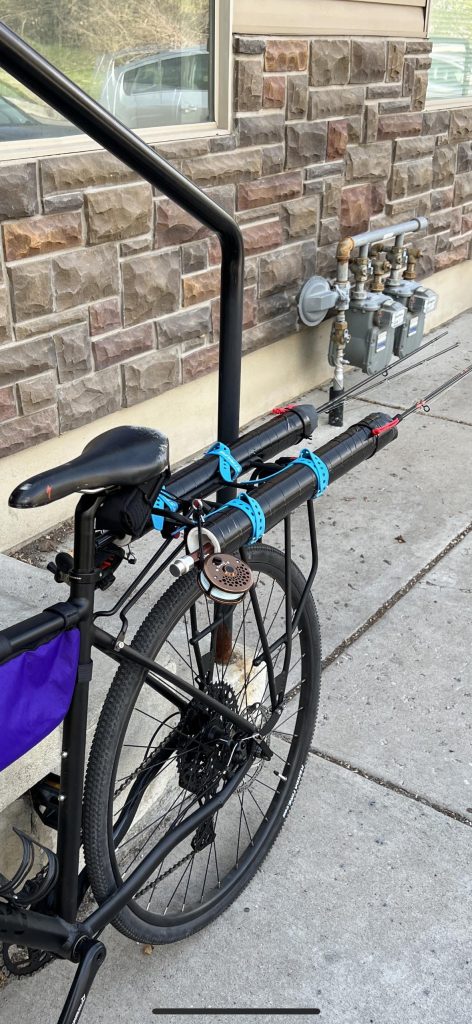
Are you ready to combine your love for biking and fishing but unsure how to carry your fishing rod safely on your bike? Carrying a fishing rod while cycling can be tricky, but with the right techniques, it becomes simple and hassle-free.
Imagine reaching your favorite fishing spot without worrying about damaging your gear or struggling to balance your bike. You’ll discover easy, practical ways to carry your fishing rod on your bike, so you can focus on the fun ahead. Keep reading to learn how to make your fishing trips smoother and more enjoyable!

Credit: www.amazon.com
Choosing The Right Rod Carrier
Carrying a fishing rod on your bike can be tricky. Picking the right rod carrier helps keep your rod safe and steady. It also makes your ride more comfortable.
There are many types of rod carriers. You should also think about the material and size. This guide will help you choose the best one for your needs.
Types Of Rod Carriers
Rod carriers come in different styles. Some attach to the bike frame, while others fit on the backpack or handlebar. Each type has its pros and cons.
- Frame-mounted carriers hold rods beside the bike frame.
- Backpack carriers let you carry rods on your back.
- Handlebar carriers secure rods in front of the bike.
- Seatpost carriers attach rods behind the seat.
Material And Durability
Strong material means your rod carrier lasts longer. It also protects your rod well. Look for carriers made from tough plastic, metal, or nylon.
| Material | Durability | Weight |
| Aluminum | High | Light |
| Plastic | Medium | Very Light |
| Steel | Very High | Heavy |
| Nylon | Medium | Light |
Size And Compatibility
Your rod carrier must fit your bike and rod size. Some carriers fit only certain bike frames. Others adjust to different rod lengths. Check the product details before buying.
- Measure your rod length before choosing a carrier.
- Check if the carrier fits your bike’s frame size.
- Look for adjustable straps or mounts for flexibility.
- Ensure the carrier does not block brakes or gears.
Preparing Your Bike For Transport
Carrying a fishing rod on your bike needs careful preparation. You must get your bike ready to keep the rod safe and stable.
This guide will help you prepare your bike for carrying a fishing rod safely. Follow these steps before you start your trip.
Cleaning And Inspecting The Bike
Clean your bike to remove dirt and mud. This helps you see any damage or weak spots clearly.
Check the frame, tires, and brakes. Make sure everything works well and is strong enough to carry extra gear.
- Wash the bike with water and a soft cloth
- Look for cracks or dents on the frame
- Check tire pressure and brake function
- Tighten loose bolts and screws
Attaching Mounting Points
Find spots on your bike to attach the fishing rod securely. Use mounts or straps designed for holding rods or long items.
If your bike does not have special mounts, use strong straps or bungee cords. Attach them to the frame or rack to hold the rod firmly.
- Use rod holders or clips if available
- Secure the rod near the frame or rear rack
- Avoid blocking brakes or pedals
- Check that the rod does not move while riding
Balancing The Load
Place the fishing rod so the bike stays balanced. Uneven weight can make riding unsafe and hard to control.
Keep the rod close to the bike’s centerline. Make sure it does not stick out too far on one side.
- Attach the rod parallel to the bike frame
- Distribute other gear evenly on both sides
- Test ride slowly to check balance
- Adjust the position if the bike feels unstable
Securing The Rod Safely
Carrying a fishing rod on a bike needs careful handling. You want to keep the rod safe and stable during your ride.
Securing the rod well prevents damage and keeps you safe on the road.
Using Straps And Bungee Cords
Straps and bungee cords hold the fishing rod firmly to your bike. They stop the rod from swinging or falling off.
Use strong straps or cords that stretch but hold tight. Wrap them around the rod and bike frame several times.
- Attach straps near the reel and the rod tip
- Check tightness before each ride
- Use multiple straps for extra security
Protecting Rod Tips And Guides
Rod tips and guides are delicate and easy to break. Cover them to avoid damage while riding.
Use a rod sock or a tube to shield these parts. Soft cloth or foam can also protect tips from bumps.
- Cover the rod tip with a cap or sock
- Wrap guides with soft material
- Check covers for holes or tears often
Preventing Rod Movement
Preventing the rod from moving keeps it safe and stops distractions. Secure the rod in one place on your bike.
Use padding or foam between the rod and bike frame. This reduces shaking and protects the rod from scratches.
- Place foam pads where the rod touches the bike
- Tighten straps to reduce side-to-side movement
- Check rod position regularly during long rides

Credit: www.amazon.ca
Riding Tips With A Fishing Rod
Carrying a fishing rod on your bike needs care and attention. Riding safely helps protect you and your rod.
This guide gives simple tips to ride well while holding your fishing rod.
Adjusting Your Riding Style
Change how you ride to keep balance and avoid accidents. Slow down and use smooth movements.
- Keep your hands steady and grip the handlebars firmly.
- Lean slightly to balance the weight of the rod.
- Use gentle turns to avoid sudden shifts.
- Ride slower than usual to stay in control.
Avoiding Obstacles And Traffic
Watch the road and traffic closely. Your rod makes you wider, so extra space is important.
| Obstacle | How to Avoid |
| Potholes | Slow down and steer clear carefully |
| Parked cars | Keep distance to avoid hitting mirrors or doors |
| Pedestrians | Ring bell and slow down to pass safely |
| Traffic | Stay visible and keep to the right side of the lane |
Checking Rod Stability Regularly
Stop often to check your rod. Make sure it is secure and does not move or fall.
- Check the straps or holders that keep the rod in place.
- Tighten any loose parts before riding again.
- Watch for signs of wear or damage on the rod holder.
- Adjust the rod position if it feels unstable.
Alternative Carrying Methods
Carrying a fishing rod on a bike can be tricky. Many anglers look for safe and easy ways to bring their rods along.
Here are some alternative methods to carry your fishing rod while biking. Each option fits different needs and bike types.
Backpack Rod Holders
Backpack rod holders are bags designed to carry fishing rods on your back. They keep your hands free and rods secure.
- Easy to carry on rough or crowded paths
- Protects rods from damage and weather
- Often includes storage for tackle and gear
- Good for long rides and hiking to fishing spots
Handlebar Attachments
Handlebar attachments fix the fishing rod along the front of the bike. This keeps the rod visible and stable.
| Feature | Benefit |
| Easy to install | Quick setup for short trips |
| Rod held horizontally | Prevents swinging and damage |
| Lightweight design | Does not add much bike weight |
| Accessible rod position | Grab rod quickly when needed |
Trailer And Bike Rack Options
Trailers and racks allow carrying multiple rods and gear. They attach to the bike frame or back wheel area.
Common rack types include:
- Rear bike racks with rod holders
- Side trailers with space for rods and equipment
- Specialized rod carrier attachments for racks
Maintenance After Transport
After carrying your fishing rod on a bike, it needs care to last long. Proper maintenance keeps it strong and ready.
Check your rod carefully and clean it well. Store it safely to avoid damage and wear.
Inspecting Rod For Damage
Look over the rod for cracks, chips, or loose parts. Check the guides and reel seat for any signs of wear.
- Run your fingers along the rod to find cracks.
- Check if any guides are bent or broken.
- Ensure the reel seat tightens firmly.
- Look for scratches that might weaken the rod.
Cleaning And Drying
Remove dirt and salt after each trip. Use fresh water and a soft cloth to clean the rod.
| Cleaning Step | Details |
| Rinse | Use fresh water to rinse the rod gently |
| Wipe | Dry with a soft cloth to avoid scratches |
| Check Guides | Clean inside the guides with a soft brush |
| Dry | Leave in a cool, dry place away from sunlight |
Storing The Rod Safely
Store your rod where it will not bend or get crushed. Keep it away from heat and moisture.
- Use a rod rack or wall holder to keep it straight.
- Avoid leaning it against walls for long periods.
- Keep it in a rod tube for extra protection during transport.
- Store in a dry place to prevent rust and mold.

Credit: www.amazon.com
Frequently Asked Questions
How Do I Securely Attach A Fishing Rod To My Bike?
To securely attach a fishing rod to your bike, use a rod holder or rod tube. Ensure it is firmly fastened to your bike frame. Velcro straps or bungee cords can provide extra security. Always check the attachment before riding to prevent any mishaps on the road.
What Is The Best Rod Holder For Bikes?
The best rod holder for bikes is lightweight, durable, and easy to install. Look for models with adjustable straps or mounts. Some popular options include clamp-on holders and those with quick-release features. Ensure compatibility with your bike’s frame for a secure fit.
Can I Carry Multiple Rods On A Bike?
Yes, you can carry multiple rods on a bike using a multi-rod holder. Choose a holder designed to accommodate several rods securely. Ensure even weight distribution to maintain balance while riding. Always double-check connections before setting off to avoid any accidents.
Are There Any Legal Restrictions?
Legal restrictions on carrying fishing rods on bikes vary by location. Generally, ensure the rods don’t protrude dangerously or obstruct visibility. It’s essential to check local traffic laws or regulations. This ensures compliance and avoids potential fines or safety hazards.
Conclusion
Carrying a fishing rod on your bike can be simple and safe. Choose the right holder or strap for your rod. Secure it tightly to avoid any movement while riding. Keep the rod away from moving parts and sharp edges.
Check your setup before each trip to stay safe. Enjoy your ride and fishing without worry. This way, you focus more on the fun and less on the hassle. Safe travels and happy fishing!