Are you wondering when exactly you should turn your air conditioner on? It’s a question many people face, especially as temperatures start to rise.
Turning it on too early can waste energy and increase bills, but waiting too long might leave you uncomfortable and sweaty. Finding the perfect moment to switch on your AC can save you money and keep your home cozy. Keep reading, and you’ll discover simple tips to help you make the best choice for your comfort and budget.
Ideal Temperature To Start Ac
Knowing the right time to turn on your air conditioner saves energy. It also keeps your home comfortable.
Choosing the ideal temperature helps avoid overusing your AC. This keeps your energy bills low.
Recommended Indoor Temperatures
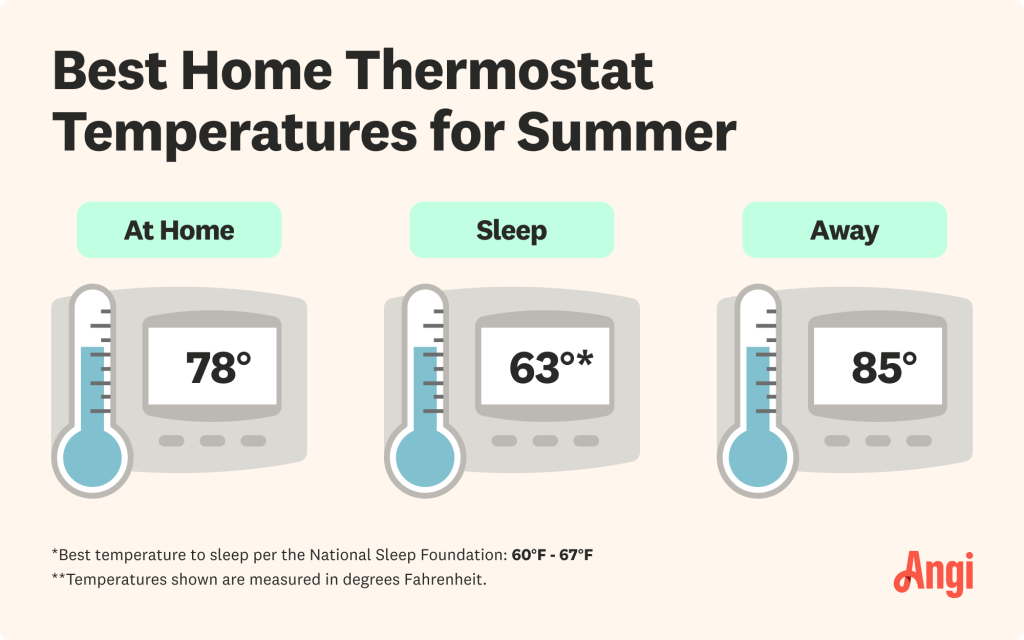
Experts suggest keeping indoor temperatures between 75°F and 78°F in summer. This range balances comfort and energy use.
Setting your thermostat higher when you are away saves power. Lower it when you return for comfort.
- 75°F to 78°F is good for most homes
- Higher settings save energy but may feel warm
- Lower settings use more energy but feel cooler
Factors Affecting Temperature Choice
Several factors change the best temperature to start your AC. These include outside weather and home insulation.
Personal comfort and health needs also play a role. Some people may need cooler or warmer settings.
- Outside temperature and humidity levels
- Home size and insulation quality
- Number of people inside the home
- Personal comfort and health conditions
- Time of day and sunlight exposure

Credit: www.bhg.com
Signs You Need To Turn On Ac
Knowing when to turn on your air conditioner helps keep your home cool and comfortable. It also saves energy by running it only when needed.
This guide explains key signs that show it is time to switch on your AC.
Humidity Levels
High humidity makes the air feel hotter and sticky. Your body sweats less when humidity is high, making you feel uncomfortable.
If indoor humidity rises above 60%, it is a good time to turn on the air conditioner. The AC helps remove moisture and cool the air.
- Humidity below 40% feels dry but comfortable
- Humidity between 40% and 60% is normal
- Humidity above 60% feels muggy and warm
Heat Index Impact
The heat index shows how hot it feels outside with heat and humidity combined. It can feel much hotter than the actual temperature.
When the heat index rises above 85°F (29°C), it is a sign to turn on your AC. The air conditioner helps lower indoor temperatures to a safe level.
- Heat index below 80°F feels comfortable
- Heat index 80°F to 90°F feels warm
- Heat index above 90°F feels very hot
Personal Comfort Thresholds
Everyone feels comfortable at different temperatures. Some people may want AC on sooner than others.
Pay attention to your own comfort. If you start feeling sweaty, tired, or restless, it is time to turn on the air conditioner.
- Feeling hot and sweaty indoors
- Difficulty sleeping because of heat
- Feeling tired or irritable from warmth
- Air feels stale or heavy
Energy Efficiency Tips
Running your air conditioner uses a lot of energy. Using it smartly can save money and reduce energy waste.
Knowing when to turn on your AC helps keep your home cool without raising bills too much.
Using Programmable Thermostats
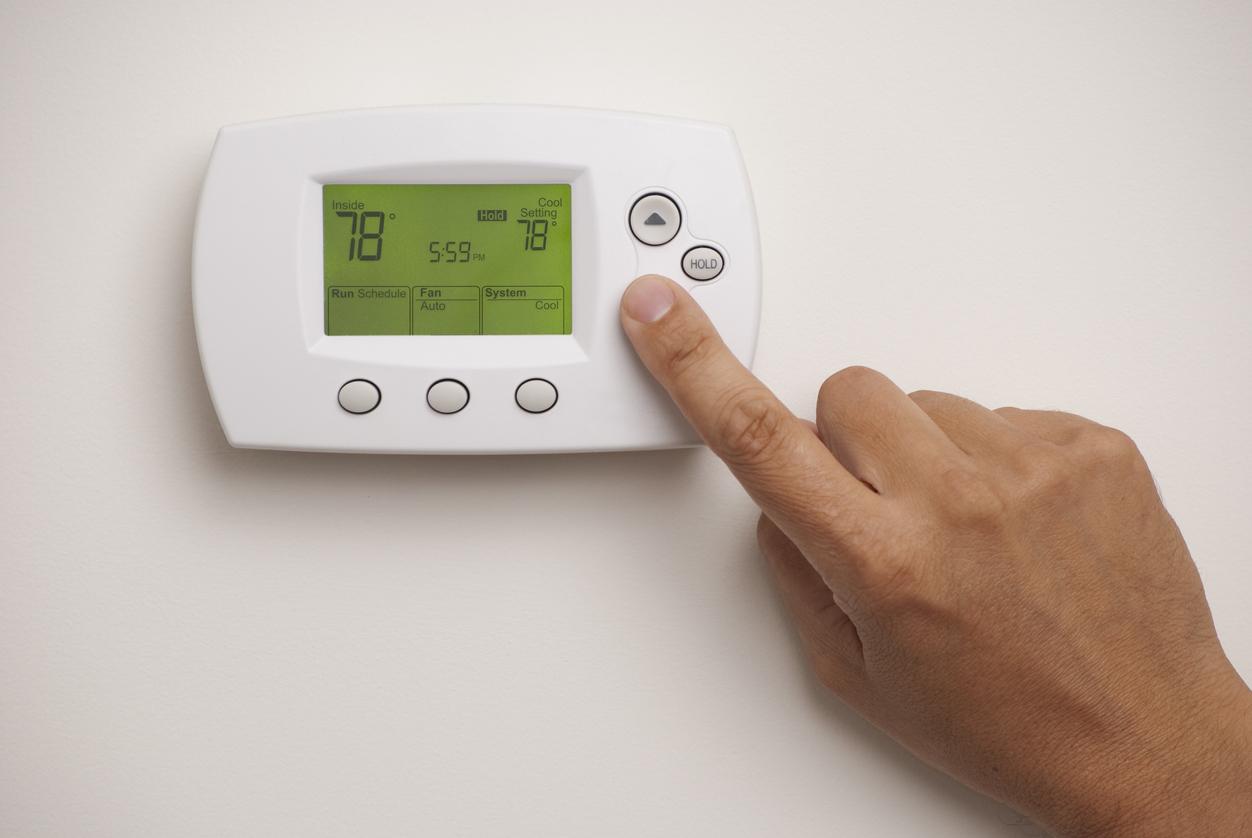
Programmable thermostats let you set your AC to turn on and off at certain times. This avoids cooling empty rooms.
You can set cooler temperatures for the times you are home and warmer temperatures when you are away.
- Set the thermostat higher during work hours
- Lower the temperature before you return home
- Use weekend schedules for different routines
Optimal Thermostat Settings
Keeping your thermostat at the right temperature saves energy. Too cold or too warm wastes power.
Experts suggest setting your AC between 24°C and 26°C (75°F to 78°F) for good comfort and savings.
- Set higher when no one is home
- Use fans to help cool rooms
- Adjust settings gradually to find comfort
Timing Your Ac Usage
Turn your AC on just before you need it. Starting it too early wastes energy.
Try to avoid running AC during the hottest time of the day if possible. Use shades and fans instead.
- Turn on AC 15-30 minutes before arriving home
- Close windows and blinds during the day
- Use natural ventilation in cooler hours
Credit: www.callroth.com
Health Considerations
Turning on your air conditioner at the right time helps protect your health. Heat can cause serious health problems.
Using the air conditioner can also improve indoor air quality. This is important for people with allergies.
Effects Of Heat On Health
High temperatures can cause heat exhaustion and heat stroke. These are dangerous conditions that need quick action.
Heat can make breathing harder for people with heart or lung problems. It can also cause dehydration and tiredness.
- Heat exhaustion causes weakness and dizziness
- Heat stroke can lead to confusion and fainting
- Children and older adults are more at risk
- Stay cool to avoid heat-related health issues
Managing Allergies And Air Quality
Air conditioners help reduce pollen and dust inside your home. This lowers allergy symptoms for many people.
Regular use of air conditioning improves air circulation. It removes outdoor allergens and keeps the air cleaner.
- Filters trap dust, pollen, and pet dander
- Cool air reduces mold growth
- Use clean filters to keep air fresh
- Helps people with asthma and allergies breathe easier
When To Delay Ac Use
Turning on your air conditioner too early can waste energy and increase bills. Knowing when to wait helps you save money and stay comfortable.
This guide looks at natural ways to cool your home and weather signs that suggest delaying AC use is smart.
Natural Ventilation Alternatives
You can cool your home without the AC by using fresh air and smart habits. Try these methods before switching on the air conditioner.
- Open windows early morning and late evening to let cool air in.
- Use fans to circulate air and create a breeze inside.
- Close curtains or blinds during the hottest parts of the day.
- Plant trees or shrubs near windows to block direct sunlight.
- Keep doors open between rooms to improve airflow.
Weather Patterns To Watch
Check the weather before using the AC. Certain patterns mean you might not need it yet.
| Weather Condition | What It Means | Action to Take |
| Cool mornings and evenings | Natural cooling is available | Delay AC, use windows and fans |
| Cloudy or rainy days | Lower outdoor temperature | Keep AC off, use natural ventilation |
| Heatwave forecast | High temperatures for days | Use AC to stay safe and comfortable |
| High humidity | Air feels warmer and sticky | Consider AC or dehumidifier |

Credit: www.angi.com
Maintenance Before Starting Ac
Turning on your air conditioner after a long break needs some care. Proper maintenance helps your AC work well and last longer.
Check a few key parts before using your AC. This keeps your home cool and saves energy.
Cleaning Filters
Dirty filters block airflow and reduce cooling. Clean filters improve air quality and system efficiency.
- Remove the filters from the AC unit.
- Use a vacuum to remove dust and debris.
- Wash filters with warm, soapy water.
- Let filters dry completely before reinstalling.
- Replace filters if they are damaged or very old.
Checking Refrigerant Levels
Refrigerant cools the air inside your home. Low levels can make the AC work harder and less effectively.
| Signs of Low Refrigerant | What to Do |
| Warm air from vents | Call a professional to check levels |
| Longer cooling cycles | Schedule a refrigerant recharge |
| Ice buildup on coils | Turn off AC and get service |
Inspecting System Components
Look over key parts to catch problems early. This helps avoid costly repairs.
Check these components:
- Thermostat settings and batteries
- Electrical connections for wear or damage
- Condensate drain for clogs or leaks
- Fan blades for dirt or damage
- Outdoor unit for leaves or debris
Smart Ac Usage Strategies
Knowing when to turn on your air conditioner helps save energy and money. Smart strategies make your home cooler without wasting power.
Using technology and other cooling methods can keep you comfortable all day. Let’s explore smart ways to use your AC efficiently.
Integrating With Smart Home Devices
Smart home devices can control your air conditioner based on your schedule and weather. They turn the AC on only when needed.
These devices learn your habits and adjust the temperature automatically. This saves energy and keeps your home comfortable.
- Set your AC to turn on before you arrive home
- Use sensors to detect if rooms are occupied
- Connect to weather apps for cooling adjustments
- Control AC with voice commands or apps
Using Fans Alongside Ac
Fans help spread cool air from your AC faster around the room. This lets you set your AC at a higher temperature.
Using fans with the AC reduces energy use. Fans use less power and keep you feeling cooler.
- Place fans near AC vents to move cool air
- Use ceiling fans to improve air circulation
- Turn fans off when no one is in the room
- Combine fans with a timer for best results
Frequently Asked Questions
When Is The Best Time To Turn On Your Air Conditioner?
Turn on your air conditioner when indoor temperatures consistently rise above 75°F (24°C). This helps maintain comfort and prevents humidity buildup efficiently.
How Does Outdoor Temperature Affect Air Conditioner Use?
Outdoor temperatures impact when you should start cooling. If it’s hot and humid outside, turning on the AC earlier improves indoor comfort and air quality.
Can Turning On Ac Too Early Waste Energy?
Yes, turning on the AC too early may increase energy bills. It’s best to wait until temperatures rise to a comfortable cooling threshold.
Should You Use A Thermostat To Control Ac Timing?
Using a thermostat is ideal. It ensures the AC runs only when needed, saving energy and maintaining consistent indoor temperatures.
Conclusion
Choosing the right time to turn on your air conditioner matters. It can save energy and keep your home comfortable. Consider the outside temperature and humidity levels. A cooler home can mean better sleep and improved mood. Keep an eye on weather forecasts.
Plan ahead for hot days. Use your air conditioner wisely to avoid high bills. Regular maintenance ensures it works efficiently. Remember, a well-timed approach keeps you cool and happy. Stay informed and enjoy a pleasant indoor environment.