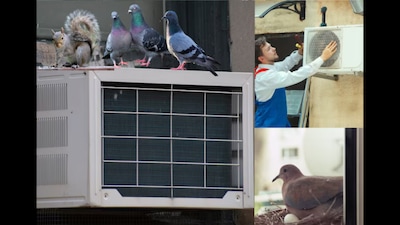
Are you tired of birds nesting around your air conditioner and causing damage? You’re not alone.
Birds can create nests, leave droppings, and even block vents, which affects how well your AC works. But don’t worry—there are simple and effective ways you can keep these feathered visitors away. You’ll discover easy tips that protect your air conditioner and save you money on repairs.
Keep reading to learn how to make your AC bird-free and running smoothly all year round.
Why Birds Nest Near Ac Units
Birds often build nests near air conditioner units. These spots offer safety and shelter. Understanding why birds choose AC units helps in keeping them away.
AC units provide warmth and cover from rain and wind. Birds look for places that protect their eggs and chicks.
Attraction Factors
Several reasons make AC units attractive to birds. The units create a warm and hidden space. This makes it easier for birds to build nests.
- Warmth from the AC motor or compressor
- Protection from rain and wind
- Flat surfaces to place nests
- Quiet spots with less human disturbance
- Nearby food sources like insects or plants
These factors combined make AC units a popular nesting spot for birds. They feel safe and comfortable in these places.
Common Bird Species
Some bird species prefer to nest near AC units more than others. These birds are small and adaptable to urban areas.
- Pigeons – They like flat and high surfaces.
- House Sparrows – They build nests in small spaces.
- Starlings – They use cavities near buildings.
- Doves – They prefer sheltered ledges and corners.
- Swallows – They build nests with mud near walls.
Knowing the common species helps in choosing the right ways to keep birds away from AC units.

Credit: www.amazon.in
Risks Of Birds Around Air Conditioners
Birds near air conditioners can cause many problems. They may damage the unit or spread diseases.
It is important to understand these risks to protect your equipment and health.
Damage To Equipment
Birds can build nests inside or on air conditioner units. Nesting materials block airflow and cause overheating.
Bird droppings are acidic and can corrode metal parts. This leads to rust and expensive repairs.
- Nests block ventilation and reduce cooling efficiency
- Droppings cause corrosion and damage surfaces
- Birds may peck wires, causing electrical faults
- Noise from birds can disturb people
Health Concerns
Birds carry germs that can harm people. Their droppings and feathers may spread bacteria and viruses.
Air conditioners can blow these particles into your home or office. This can cause allergies and respiratory problems.
- Bird droppings may contain harmful bacteria
- Feathers can trigger allergies and asthma
- Dried droppings can become airborne dust
- Birds may carry parasites and insects
Physical Barriers To Deter Birds
Birds can cause damage to air conditioners by nesting or perching nearby. Using physical barriers helps keep them away safely. These barriers prevent birds from landing or entering sensitive areas.
Physical barriers are easy to install and do not harm birds. They create a physical block that stops birds from accessing your air conditioner.
Installing Screens And Covers
Screens and covers act as shields around your air conditioner. They stop birds from entering vents or small openings. You can buy wire mesh screens or specially made covers for this purpose.
Make sure to use strong but lightweight material. The screen should fit tightly to block all gaps. Covers can protect the top and sides of the unit. This helps keep birds from nesting or sitting on it.
- Use stainless steel or plastic mesh screens
- Check for gaps and seal them well
- Choose covers that fit your AC model
- Regularly clean screens and covers
Using Spikes And Nets
Spikes and nets stop birds from landing on or near the air conditioner. Spikes are strips with pointed tips that make surfaces uncomfortable for birds. Nets create a barrier over or around the unit to block access.
Install spikes on flat surfaces like ledges or the top of the unit. Nets should cover larger areas where birds try to enter or perch. Both are safe and do not harm birds but discourage them from staying.
- Place spikes along edges and flat surfaces
- Use bird netting to cover open spaces
- Secure nets tightly to avoid gaps
- Check and maintain barriers regularly
Sound And Visual Deterrents
Birds can cause damage and block airflow around your air conditioner. Using sound and visual deterrents helps keep birds away safely.
These methods use noises or sights to scare birds without harming them. They are easy to set up and maintain.
Ultrasonic Devices
Ultrasonic devices emit high-frequency sounds that birds cannot like. These sounds are usually silent to humans but annoying to birds.
Place the device near your air conditioner to create an invisible sound barrier. Birds will avoid the area because of the noise.
- Safe for humans and pets
- Requires power source or batteries
- Works best in quiet areas
- Some birds may get used to the sound over time
Reflective Objects
Reflective objects scare birds by creating flashes of light. Birds see these flashes as danger and stay away.
Common reflective items include shiny tape, old CDs, or small mirrors. Hang or place them near the air conditioner.
- Move objects regularly to keep birds wary
- Works well in sunny or bright places
- Easy and cheap to use
- Combine with other deterrents for best results
Natural Repellents And Scents
Birds often nest or perch near air conditioners. This can cause damage or block airflow. Natural repellents and scents offer a safe way to keep birds away.
Using natural methods reduces harm to birds and the environment. Essential oils and homemade sprays work well for this purpose.
Essential Oils
Some essential oils have strong smells that birds dislike. You can use these oils near your air conditioner to keep birds away. Common oils include peppermint, eucalyptus, and citronella.
- Mix 10 drops of peppermint oil with water in a spray bottle.
- Spray the mixture around the air conditioner area.
- Reapply every few days or after rain.
- Use eucalyptus oil for a fresh scent that birds avoid.
- Citronella oil also works well to deter birds naturally.
Bird Repellent Sprays
You can make your own bird repellent spray using natural ingredients. These sprays keep birds away without harming them.
| Ingredient | Amount | Effect |
| Water | 2 cups | Dilutes the mixture |
| White vinegar | 1 cup | Strong smell birds dislike |
| Garlic cloves (crushed) | 3 cloves | Repels birds with scent |
| Chili powder | 1 teaspoon | Birds avoid spicy smell |
Mix all ingredients and let sit overnight. Strain and pour into a spray bottle. Spray near your air conditioner once a week.

Credit: www.reddit.com
Regular Maintenance And Cleaning
Keeping birds away from your air conditioner requires regular maintenance. Cleaning the unit helps prevent nests and debris buildup.
Proper care protects your air conditioner and stops birds from making it their home.
Removing Nests And Debris
Birds often build nests in and around air conditioners. Remove any nests or debris to discourage birds from staying.
Clear leaves, twigs, and dirt to keep the area clean and unattractive to birds.
- Wear gloves to protect your hands
- Use a brush or vacuum to remove debris
- Dispose of nests safely away from your home
- Check regularly to prevent new nests
Checking For Damage
Birds can damage your air conditioner by pecking or nesting inside. Inspect the unit for cracks or broken parts.
Fix any damage quickly to keep the unit working well and stop birds from entering.
- Look for holes or gaps in the casing
- Check the fan and vents for bird damage
- Seal openings with mesh or weatherproof materials
- Replace damaged parts promptly
Professional Help And Services
Birds nesting or resting near your air conditioner can cause damage. Sometimes, the problem needs expert attention. Professionals know safe and effective ways to keep birds away.
Choosing the right service can save time and prevent harm to the birds or your AC unit. Experts use tools and methods that meet local wildlife rules.
When To Call Experts
Call professionals if birds cause repeated damage or if nests block airflow. Experts can check for hidden problems inside the unit. They also handle aggressive birds safely.
- Birds nesting inside vents or fans
- Damage to wiring or insulation
- Unusual noises from the AC unit
- Blocked air vents or filters
- Local laws protecting certain bird species
Choosing The Right Service
Not all services offer the same level of care. Pick a company with experience in bird control and AC maintenance. Confirm they use humane methods and follow regulations.
| Service Type | What They Do | Why Choose Them |
| Wildlife Control | Remove birds and nests safely | Skilled in humane bird handling |
| AC Repair | Fix damage and clean units | Protects AC performance |
| Bird Deterrent Installation | Set up spikes, nets, or sound devices | Prevents birds from returning |
| Regular Maintenance | Inspect and clean AC regularly | Early problem detection |

Credit: www.amazon.in
Frequently Asked Questions
How To Prevent Birds Nesting On Ac Units?
To prevent birds from nesting on AC units, install bird spikes or netting around the unit. Regularly inspect the area for nests, and remove any debris. Using reflective objects or sound devices can also deter birds effectively.
What Materials Deter Birds From Air Conditioners?
Bird spikes, netting, and reflective materials deter birds from air conditioners. These materials create physical barriers or visual disturbances. Sound devices can also be effective. Regular maintenance and inspections help ensure these deterrents remain effective.
Can Bird Droppings Damage Air Conditioners?
Yes, bird droppings can damage air conditioners. The acidic nature of droppings corrodes metal parts and clogs filters. Regular cleaning and maintenance prevent long-term damage. Using deterrents reduces bird presence and minimizes droppings on your unit.
Why Do Birds Sit On Air Conditioners?
Birds sit on air conditioners for warmth, safety, and a high vantage point. The unit’s structure offers protection from predators. Providing alternative perches or nesting boxes can discourage them from sitting on your AC.
Conclusion
Keeping birds away from your air conditioner protects the unit and your home. Use simple barriers like nets or spikes to block bird access. Clean the area regularly to avoid nests and droppings. Sound deterrents or reflective objects also work well.
Small efforts can prevent big problems. Stay consistent with these steps to keep birds at bay. Your air conditioner will work better and last longer. Birds will find other places to rest. Enjoy a cleaner, safer outdoor space.