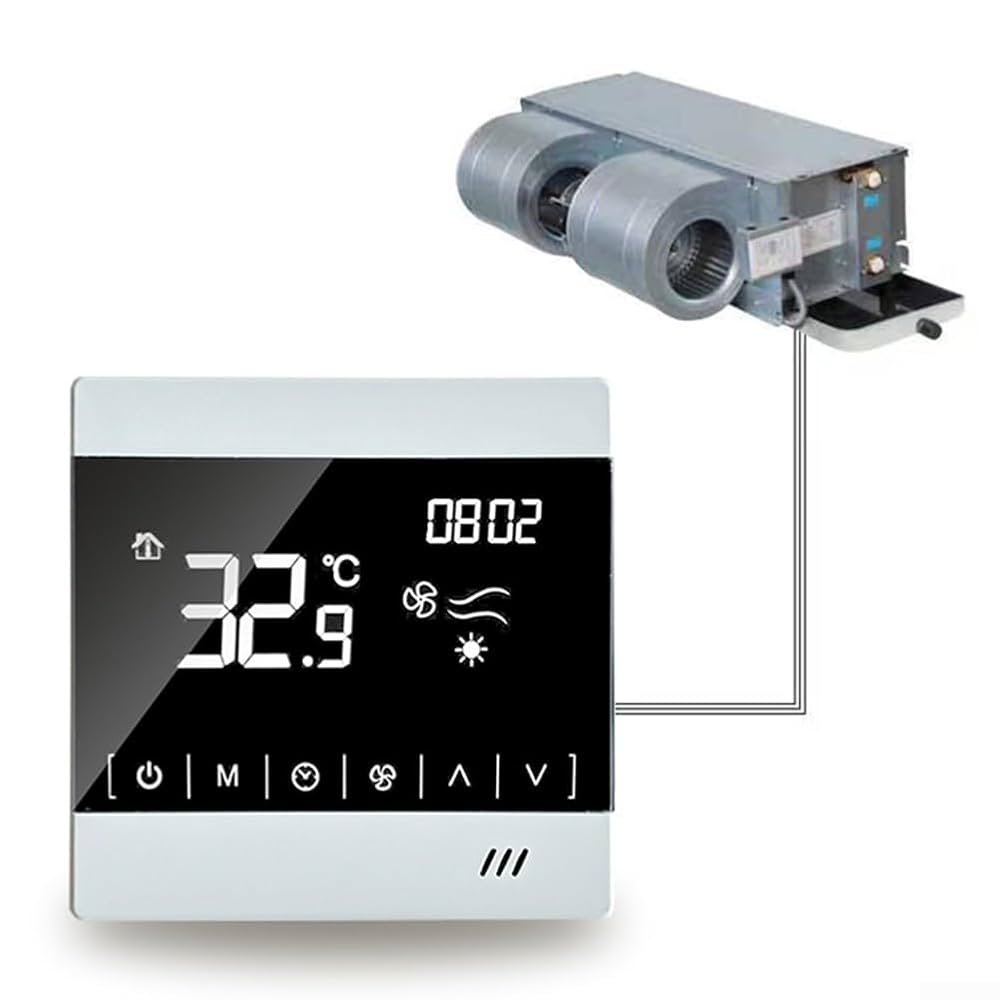
Are you wondering how much a thermostat for your air conditioner might cost? Whether you’re looking to replace an old one or upgrade to a smarter model, knowing the price is the first step.
A thermostat controls your AC’s performance and can save you money on energy bills. But with so many options out there, how do you find the right one without overspending? Keep reading to discover what affects the price and how to choose the best thermostat for your needs and budget.
This guide will help you make a smart decision that keeps your home comfortable all year round.

Credit: www.lowes.com
Thermostat Types For Air Conditioners
Basic thermostats are simple and easy to use. They let you set the temperature manually. These models usually cost less and work well for small homes or single rooms. They do not have timers or smart features. Just turn the dial or press buttons to adjust.
Programmable thermostats allow setting different temperatures for times of the day. This helps save energy by cooling only when needed. You can set schedules for weekdays and weekends. They are a bit more expensive but help reduce electricity bills.
Smart thermostats connect to Wi-Fi and can be controlled by phone apps. They learn your habits and adjust temperatures automatically. Some models work with voice assistants for hands-free control. These thermostats cost more but offer convenience and energy savings.
Price Range By Thermostat Type
Basic thermostat models usually cost between $15 and $50. They have simple controls and show the temperature. Great for people who want a low-cost option.
Programmable thermostats range from $50 to $150. These let you set schedules to save energy. You can program them to turn off or on at certain times.
Smart thermostats cost more, around $150 to $300. They connect to Wi-Fi and your phone. You can control your air conditioner from anywhere. Some learn your habits and adjust automatically.
Factors Influencing Thermostat Prices
Brand and featuresgreatly affect thermostat prices. Popular brands tend to cost more. Advanced features like Wi-Fi control or touch screens increase the price. Basic models are cheaper but offer fewer options.
Compatibility with AC systemsmatters too. Some thermostats work with many AC types. Others only fit specific models. Choosing the right one avoids extra costs and installation problems.
Installation requirementscan add to the total cost. Simple models are easy to install yourself. Complex ones may need a professional electrician. This service cost varies by location and difficulty.

Credit: www.amazon.com
Installation Costs To Expect
DIY installationcan save money but needs skill and tools. Mistakes might cause damage or poor performance. Professional installationcosts more but ensures safety and proper setup. Experts work faster and offer warranties.
| Labor Type | Average Cost |
|---|---|
| DIY | Free or minimal (tool costs) |
| Professional | $75 to $200 per hour |
Extra materials may include wiring, mounting brackets, and sealants. Sometimes new batteries or remote controls are needed. These costs add up but are essential for proper function.
Energy Savings And Long-term Value
Efficiency improvementsin thermostats help save energy. Modern thermostats can adjust temperature automatically. They keep your home cool without wasting power. This means your air conditioner runs less often. Smart thermostats learn your schedule. They lower cooling when no one is home. This reduces energy use and saves money.
Potential utility bill reductiondepends on thermostat type and home size. Using a programmable or smart thermostat may cut bills by 10% to 30%. Small changes add up over months. Less energy use means lower bills. Savings can pay for the thermostat in a short time.
| Return on Investment | Description |
|---|---|
| Short Payback Period | Energy savings often cover cost in 1-2 years. |
| Long-Term Value | Lower bills add up to more savings over time. |
| Increased Comfort | Better temperature control improves home comfort. |
Where To Buy Thermostats
Online retailers offer a wide range of thermostats for air conditioners. They provide easy access to different brands and prices. Many sites have user reviews to help choose the right one. Shipping is usually fast and convenient.
Local HVAC suppliers often carry thermostats made for specific air conditioner models. They can give advice on compatibility and installation. These suppliers might offer better warranties or service options.
Home improvement stores stock common thermostat models. You can see products in person before buying. Store staff can help answer simple questions. Prices here are often competitive, and you can take the product home immediately.
Tips For Choosing The Right Thermostat
Knowing your AC system helps pick the right thermostat. Some thermostats work only with certain models. Check if your system uses a heat pump or a furnace. That affects compatibility.
Focus on features that matter most. Basic models control temperature simply. Smart thermostats offer scheduling and app control. Some have voice control or energy reports. Choose features that suit your needs and lifestyle.
Set a clear budget before buying. Basic thermostats cost less but offer fewer functions. Advanced models cost more but save energy over time. Balance price with benefits to find the best fit.

Credit: www.amazon.com
Frequently Asked Questions
How Much Does A Basic Thermostat Cost?
A basic thermostat for an air conditioner typically costs between $20 and $50. These models offer simple temperature control features. They are perfect for those seeking affordability and simplicity. Prices may vary based on brand and retailer, so it’s wise to compare options.
Are Smart Thermostats More Expensive?
Yes, smart thermostats usually cost between $100 and $300. They offer advanced features like remote control and energy efficiency tracking. Although pricier upfront, they can lead to savings on energy bills. Consider your budget and needs before investing in a smart thermostat.
Do Installation Costs Affect Thermostat Price?
Yes, installation costs can affect the total price of a thermostat. Professional installation fees range from $100 to $200. DIY installation might save money but requires technical skills. It’s crucial to factor in installation costs when budgeting for a new thermostat.
Are There Additional Costs With Thermostats?
Yes, additional costs may include installation, maintenance, or compatibility accessories. Some smart thermostats require a C-wire or adapter for installation. Regular maintenance ensures optimal performance and may incur minor costs. It’s essential to consider these factors when evaluating overall expenses.
Conclusion
Choosing the right thermostat for your air conditioner can save money. Prices vary based on features and brand. Basic models cost less but offer fewer functions. Smart thermostats cost more but can improve comfort and efficiency. Installation fees might add to the total expense.
Think about your needs before buying. A good thermostat helps control temperature easily. It also reduces energy bills over time. Take your time to compare options. This way, you get the best value for your money.