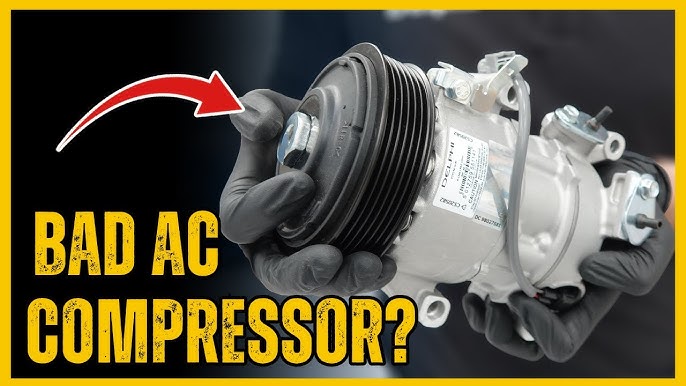
Is your air conditioner not cooling like it used to? It might be your compressor acting up.
Knowing how to tell if your air conditioner compressor is bad can save you time, money, and discomfort. You don’t want to wait until the heat becomes unbearable or your energy bills skyrocket. You’ll discover the clear signs that point to a failing compressor and simple steps to confirm the problem.
Keep reading to protect your home’s comfort and avoid costly repairs.

Credit: partsfactoryaus.com.au
Common Compressor Issues
Unusual noisesfrom the compressor can signal a problem. Sounds like rattling, buzzing, or grinding often mean parts inside are damaged or loose.
Insufficient coolinghappens when the compressor cannot push refrigerant properly. The air feels warmer, and the system struggles to keep rooms cool.
Frequent cyclingmeans the compressor turns on and off too often. This can waste energy and cause more wear on the system.
Overheatingmay cause the compressor to shut down to protect itself. Hot temperatures or blocked airflow can lead to this issue.
Visual Warning Signs
Oil leaksnear the compressor show a problem. Oil stains or wet spots on the unit or ground are signs. They mean the compressor seal is broken or the system is leaking refrigerant.
Burn markson the compressor or nearby parts warn of electrical issues. These dark or blackened spots show overheating or short circuits. Burn marks can cause failure or fire risks.
Damaged wiringmeans wires are frayed, cut, or melted. Loose or exposed wires can stop the compressor from working. Wiring damage also creates safety hazards and needs quick fixing.
Performance Tests
Checking refrigerant levelshelps find leaks or low amounts. Low refrigerant makes the compressor work too hard. Use a gauge to see if levels match the AC manual. Too low or too high can cause problems.
Measuring compressor currentshows if the motor draws the right power. Use a clamp meter around the compressor wire. A high or low reading means the compressor might be bad. Always check the rating sticker for normal amps.
Inspecting pressure readingsreveals compressor health. Attach gauges to the high and low pressure ports. Normal pressure means the compressor pushes refrigerant well. Very high or low pressure signals a failing compressor or other issues.
Credit: m.youtube.com
Common Causes Of Compressor Failure
Electrical problemsoften cause compressor failure. Faulty wiring or blown fuses stop the compressor from working. Capacitors can also wear out and prevent the motor from starting. Power surges may damage electrical parts inside the compressor.
Refrigerant issuesaffect compressor health. Low refrigerant levels cause the compressor to overheat. Leaks reduce efficiency and put extra strain on the system. Too much refrigerant can also cause damage by increasing pressure inside the compressor.
Mechanical wearhappens over time. Moving parts inside the compressor wear down and break. Lack of lubrication increases friction and heat, leading to failure. Dirt or debris can damage internal components and reduce lifespan.
When To Call A Professional
Strange noises or a lack of cool air often signal compressor trouble. Calling a professional helps avoid costly damage and ensures safe repairs.
Safety Concerns
Dealing with an air conditioner compressor can be risky. The unit uses high voltage electricity, which can cause serious harm. Refrigerants inside the system are also harmful if handled incorrectly. Always prioritize personal safetyand avoid touching electrical parts. If unsure, calling a professional is the best choice.
Complex Repairs
Compressor repairs often require special tools and skills. Problems like sealed system leaksor motor issues are difficult to fix alone. Professionals have the right equipment to diagnose and repair these problems quickly and correctly. This saves time and prevents further damage.
Warranty Considerations
Many air conditioners come with a warranty. Attempting repairs yourself can void the warranty. Professionals follow manufacturer rules to keep the warranty valid. This ensures any future repairs or replacements are covered.

Credit: partsfactoryaus.com.au
Preventing Compressor Damage
Regular maintenance keeps the compressorrunning smoothly. Clean or replace filters often to avoid dust buildup. Check refrigerant levels to prevent stress on the system. Clear debris around the outdoor unit to allow proper airflow.
Proper usage helps extend the compressor’s life. Avoid setting the temperature too low. Turn off the AC when not needed to reduce wear. Use a programmable thermostat for better control.
Timely repairs stop small issues from growing. Fix leaks and electrical problems quickly. Listen for strange noises or vibrations. Early action saves money and prevents damage.
Frequently Asked Questions
What Are Signs Of A Bad Ac Compressor?
A bad AC compressor may cause warm air from vents, unusual noises, or circuit breaker trips. Reduced airflow and frequent system shutdowns are also common. If you notice these signs, contact a professional technician for diagnosis and repair.
How Does A Faulty Compressor Affect Cooling?
A faulty compressor reduces the AC’s cooling efficiency, resulting in inadequate temperature control. It may cause uneven cooling and increased energy bills. Immediate inspection by an HVAC professional is recommended to prevent further damage.
Can A Bad Compressor Damage The Ac Unit?
Yes, a bad compressor can lead to system strain and damage other components. It may cause refrigerant leaks and electrical issues. Timely repair is crucial to prevent costly repairs or complete AC unit replacement.
Is It Safe To Run Ac With A Bad Compressor?
Running an AC with a bad compressor can worsen existing issues and risk further damage. It can lead to overheating and increased energy consumption. It’s advisable to turn off the system and seek professional help.
Conclusion
A bad air conditioner compressor can cause many problems. Strange noises, warm air, or frequent shutting off are clear signs. Checking these signs early saves time and money. Regular maintenance helps catch issues before they grow. Call a professional if you notice any warning signs.
Keeping your AC in good shape means a cool, comfortable home. Don’t wait until it breaks completely. Stay alert and act fast to avoid bigger repairs. Your comfort depends on a healthy compressor. Simple checks make a big difference.