If you love fishing, you know that putting fishing line in a reel is a crucial skill. Yet, many find it tricky or confusing at first.
What if you could learn a simple, step-by-step way to do it right every time? Imagine spending less time fixing knots and more time catching fish. In this guide, you’ll discover easy tips to load your reel smoothly and quickly.
By the end, you’ll feel confident and ready to hit the water with your gear perfectly set up. Keep reading to master this essential fishing skill today.
Credit: monsterbass.com
Choosing The Right Fishing Line
Choosing the right fishing line is important for a good fishing experience. It affects how you catch fish and how your reel works.
Different lines suit different fishing styles. Pick a line that matches your needs and the fish you want to catch.
Types Of Fishing Line
There are several types of fishing lines. Each type has unique features for different uses.
- Monofilament: Flexible and easy to handle. Good for beginners.
- Fluorocarbon: Nearly invisible underwater. Strong and abrasion-resistant.
- Braid: Very strong and thin. Good for heavy cover and long casts.
Selecting Line Strength
Line strength is shown by its pound test. This number tells how much weight the line can hold.
Choose a strength that fits the size of fish you want to catch. Too weak and the line may break. Too strong and the fish may not bite.
- Light line (2-6 lb): Good for small fish and clear water.
- Medium line (8-15 lb): Works for most freshwater fishing.
- Heavy line (20+ lb): Needed for big fish and saltwater fishing.
Considering Line Material
Fishing lines are made from different materials. Each material changes how the line acts in water.
Material affects strength, stretch, and visibility. Think about what matters most for your fishing.
- Monofilament: Stretches well and is easy to tie. Good for shock absorption.
- Fluorocarbon: Sinks faster and resists sunlight. Less stretch than mono.
- Braid: Very little stretch and high strength. Good for feeling bites.
Preparing Your Reel
Getting your fishing reel ready is important before adding line. A clean and well-set reel works better and lasts longer.
Follow these steps to prepare your reel for the fishing line. Each part helps ensure smooth casting and retrieval.
Cleaning The Reel
Start by cleaning your reel to remove dirt and salt. This keeps the reel parts moving freely and prevents damage.
- Use a soft cloth to wipe the outside of the reel.
- Apply a small brush to clean hard-to-reach spots.
- Rinse with fresh water if used in saltwater, then dry.
- Lubricate the moving parts lightly with reel oil.
Checking The Spool
Inspect the spool for any damage or dirt. The spool holds the fishing line, so it must be smooth and clean.
| Spool Check | What to Look For |
|---|---|
| Surface | Free of scratches or dents |
| Cleanliness | No dirt, sand, or old line debris |
| Fit | Spool fits tightly and spins smoothly |
Setting The Drag
Adjust the drag system to control line tension. Proper drag helps prevent the line from breaking during a catch.
- Turn the drag knob clockwise to increase resistance.
- Turn it counterclockwise to reduce resistance.
- Test by pulling the line by hand to feel the tension.
- Set drag tight enough to hold fish but loose enough to avoid snapping the line.
Attaching The Line To The Spool
Putting fishing line on a reel starts with attaching it to the spool. This step keeps the line secure during casting and retrieval.
Properly tying the line prevents slipping and tangling. The arbor knot is a simple and strong way to attach the line.
Tying The Arbor Knot
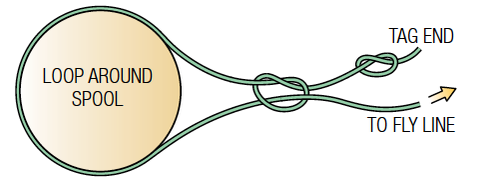
To tie the arbor knot, wrap the line around the spool’s center. Then make a simple overhand knot around the standing line.
Pull the knot tight against the spool. Add a second overhand knot on the tag end for extra security.
- Wrap the line around the spool
- Make an overhand knot around the main line
- Tighten the knot firmly against the spool
- Tie a second overhand knot on the tag end
- Trim the tag end close to the knot
Securing The Line
After tying, keep the line tight while winding. This stops the line from loosening or slipping off the spool.
Check the knot often and adjust if it feels loose. A secure line improves casting distance and reduces tangles.
- Hold the line tight during winding
- Wind evenly across the spool
- Check the knot for tightness
- Re-tie if the knot slips
- Cut excess line close to the knot

Credit: www.youtube.com
Spooling The Line Correctly
Putting fishing line on a reel is important for good fishing. Spooling the line correctly keeps the line strong and ready to use.
Follow easy steps to make sure your line is on the reel the right way. This helps avoid problems like tangles and breaks.
Maintaining Line Tension
Keep the line tight while spooling. This stops the line from twisting and tangling on the reel.
You can hold the line between your fingers or use a cloth to pull the line with gentle pressure.
- Hold the line firmly but not too tight
- Keep steady tension as you wind
- Check the tension often during spooling
Winding Direction Tips
Wind the line in the same direction the reel turns. This helps the line sit evenly on the spool.
Look at the reel to see which way it turns when you reel in. Always spool the line that way.
- Turn the reel handle slowly
- Keep the line tight while winding
- Stop if the line starts to bunch up
Avoiding Line Twists
Line twists cause tangles and weak spots. Avoid twists by spooling the line carefully.
Let the line spool off the supply reel the same way it goes on your fishing reel.
- Check that the line flows off the spool smoothly
- Use swivel connectors to reduce twists
- Don’t let the line loop or kink during spooling
Finishing Touches
After loading your fishing line onto the reel, some final steps help ensure smooth use. These finishing touches keep your reel ready and working well for your next fishing trip.
Pay attention to small details like trimming the line, checking the spool, and storing the reel properly. These actions prevent problems and extend the life of your gear.
Trimming Excess Line
Trim the fishing line close to the reel spool. Use sharp scissors or a line cutter for a clean cut. Leaving too much line can cause tangles or snags when casting.
- Cut the line about 1/8 inch from the spool edge
- Avoid leaving a long tag end
- Secure the trimmed end to avoid unraveling
Testing The Spool
Test the spool to ensure the line moves smoothly. Pull the line gently and check for any snags or resistance. A smooth spool means better casting and fewer knots.
| Test Action | What to Check |
| Pull line slowly | Line moves without catching |
| Reel in line | Line winds evenly on spool |
| Check tension | Line is tight but not stretched |
Storing The Reel Properly
Store your reel in a dry, cool place to prevent damage. Avoid leaving it in direct sunlight or damp areas. Proper storage keeps the reel in good condition and ready for your next use.
Follow these tips for storage:
- Loosen the drag to reduce pressure on the internal parts
- Keep the reel covered or inside a protective case
- Clean the reel before storing to remove dirt and salt

Credit: windrider.com
Frequently Asked Questions
How Do You Spool A Fishing Reel Correctly?
To spool a fishing reel, start by threading the line through the rod guides. Attach it to the reel’s spool with an arbor knot. Maintain tension as you wind the line onto the spool evenly. Fill the spool until it’s about 1/8 inch from the edge.
What Type Of Line Is Best For Reels?
Monofilament is versatile and affordable, great for beginners. Braided line offers strength and sensitivity, ideal for heavy cover. Fluorocarbon is nearly invisible underwater and sinks quickly, perfect for clear water. Choose based on your fishing environment and target species.
How Much Fishing Line Should I Put On A Reel?
Fill your reel until it’s about 1/8 inch from the spool’s edge. This prevents overfilling, which can cause tangles, and underfilling, which reduces casting distance. The exact amount depends on the line’s thickness and your specific reel’s capacity.
Why Is My Fishing Line Tangling?
Tangles can occur from overfilling the spool or using incorrect winding techniques. Ensure you maintain tension when spooling. Also, check for line twists. Regularly inspecting and replacing old line can prevent tangles and improve your fishing experience.
Conclusion
Putting fishing line in a reel is simple with practice. Start slow and follow the steps carefully. Keep the line tight and avoid tangles for best results. Check your work before you start fishing. This helps prevent problems on the water.
Regularly changing your line keeps your fishing gear ready. Enjoy your time fishing with confidence and ease. Small efforts make a big difference in your fishing experience. Keep learning and trying to improve your skills. Fishing becomes more fun when your gear works well.