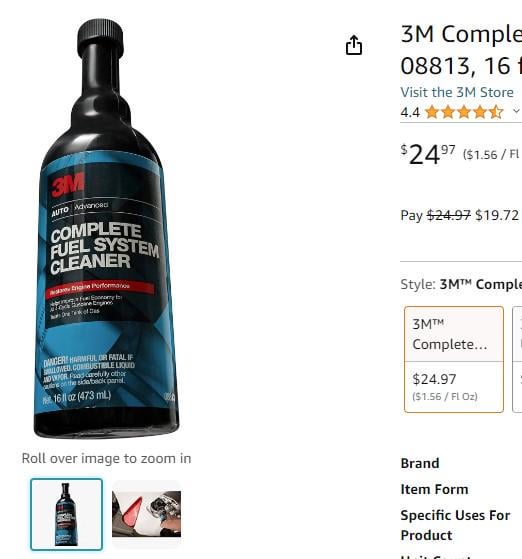
Have you ever wondered if fuel system cleaners actually make a difference for your car? You’ve probably seen those bottles on store shelves promising better mileage, smoother rides, and fewer engine problems.
But do they really work, or is it just clever marketing? If you want to know whether adding a fuel system cleaner to your tank is worth your time and money, keep reading. This article will break down the facts, so you can make the best choice for your vehicle and your wallet.
How Fuel System Cleaners Work
Fuel system cleaners help keep your engine running smoothly. They remove dirt and deposits from fuel parts. This keeps fuel flowing well and improves engine performance.
These cleaners work by breaking down deposits inside the fuel system. They clean fuel injectors, intake valves, and combustion chambers. Clean parts burn fuel more efficiently.
Types Of Fuel System Cleaners
There are several types of fuel system cleaners. Each targets different parts of the fuel system. Some focus on cleaning fuel injectors. Others clean the entire fuel system.
- Additives for fuel injectors
- Complete fuel system cleaners
- Diesel fuel system cleaners
- Gasoline fuel system cleaners
Choosing the right type depends on your vehicle and fuel type. Using the correct cleaner helps prevent damage and improves fuel efficiency.
Key Ingredients And Their Functions
Fuel system cleaners contain ingredients that remove deposits and protect engine parts. These ingredients work together for better cleaning and protection.
| Ingredient | Function |
| Polyetheramine (PEA) | Breaks down carbon deposits |
| Polyisobutylene amine (PIBA) | Removes gum and varnish |
| Detergents | Clean fuel injectors and valves |
| Corrosion inhibitors | Protect metal parts from rust |
| Solvents | Dissolve stubborn deposits |
Using fuel system cleaners with these ingredients helps keep engines clean and efficient. Regular use can reduce engine knocking and improve fuel economy.

Credit: www.reddit.com
Common Claims About Fuel System Cleaners
Fuel system cleaners are products made to clean parts of your car’s fuel system. They often promise several benefits. Many drivers wonder if these claims are true.
This article looks at some common claims about fuel system cleaners. We focus on engine performance, fuel efficiency, and emission reduction.
Improving Engine Performance
Fuel system cleaners claim to remove dirt and deposits from the fuel injectors and intake valves. Cleaner parts can help the engine run smoother.
Some users report better acceleration and less engine hesitation after using these cleaners. But results can vary based on vehicle condition and cleaner quality.
Enhancing Fuel Efficiency
One claim is that fuel system cleaners improve fuel efficiency. Cleaner fuel injectors can spray fuel more evenly, which may help the engine burn fuel better.
Better fuel burn means using less fuel for the same distance. Some tests show small improvements, but these gains are often minor.
Reducing Emissions
Fuel system cleaners are said to reduce harmful emissions. Cleaner fuel systems burn fuel more completely, which can lower exhaust pollution.
Lower emissions help the environment and may help your car pass emissions tests. The effect depends on how dirty the fuel system was before cleaning.
Scientific Evidence And Studies
Fuel system cleaners aim to remove deposits from engines. Scientists study how well these cleaners work. Tests in labs and on real cars help us understand their effects.
Research shows mixed results. Some cleaners improve engine function, while others have little effect. Let’s look at the test results.
Laboratory Test Results
Lab tests use controlled conditions to measure cleaner effects. Scientists add deposits to fuel systems, then apply cleaners. They check how much deposit is removed.
Many studies find that some fuel system cleaners reduce deposits by 20% to 50%. This can improve fuel flow and engine efficiency. Some cleaners also lower emissions.
- Cleaner removes carbon and gum buildup
- Improves fuel injector spray pattern
- Reduces intake valve deposits
- Can restore engine power in lab settings
Real-world Vehicle Tests
Real-world tests check cleaner effects on actual cars. Drivers use cleaners in their regular fuel tanks. Experts then measure engine performance and emissions.
Results vary based on vehicle age and condition. Newer cars with cleaner engines show less improvement. Older cars with buildup often gain better fuel economy and smoother running.
- Some drivers report better acceleration
- Fuel efficiency can improve by 1% to 3%
- Emissions show slight reductions in many cases
- Effects may last only a few tankfuls

Credit: www.reddit.com
When Fuel System Cleaners Make A Difference
Fuel system cleaners help remove deposits inside your car’s engine. These deposits can build up over time and affect performance. Using a cleaner can sometimes improve fuel flow and engine power.
Not all cars need a fuel system cleaner. It works best when there are signs of fuel system problems or if the engine is older. Understanding when to use these cleaners can save you time and money.
Signs Of Fuel System Problems
Fuel system issues can cause your car to run poorly. Watch for these signs to know if a cleaner might help.
- Engine runs rough or stalls often
- Reduced fuel efficiency
- Hard starting or no start
- Loss of engine power or hesitation
- Check engine light is on
If you notice these problems, a fuel system cleaner can clear blockages and improve fuel flow. It may restore smooth engine operation.
Effectiveness In Older Vs. Newer Engines
Older engines often have more carbon buildup in the fuel system. Cleaners can help these engines run better by removing deposits. This may improve fuel economy and power.
Newer engines use better fuel and advanced designs. They usually have less buildup. Fuel system cleaners might not show much effect in these engines unless there is a problem.
Misconceptions And Overhyped Benefits
Many people believe fuel system cleaners fix all engine problems quickly. Ads often show big improvements after one use.
These products can help in some cases, but they are not magic solutions. Understanding their limits is important before use.
Limitations Of Fuel Additives
Fuel additives clean small deposits inside the engine fuel system. They work best for minor buildup, not major damage.
They cannot replace regular maintenance like oil changes or fuel filter replacement. Additives do not fix mechanical problems.
- Only remove light deposits on fuel injectors and valves
- Do not restore worn engine parts
- Help improve fuel efficiency slightly, not dramatically
- Not effective for serious engine problems
Potential Risks Of Overuse
Using fuel system cleaners too often can cause issues. Some chemicals may harm engine seals or sensors.
Overuse may also lead to fuel system buildup breaking loose and clogging parts. Follow product instructions carefully.
- Damage to fuel system seals and gaskets
- Clogged fuel filters from loosened debris
- Possible sensor malfunctions
- Wasted money on unnecessary treatments

Credit: www.motorbiscuit.com
Alternatives To Fuel System Cleaners
Fuel system cleaners claim to improve engine performance by removing deposits. Some people look for other ways to keep their fuel system clean. These alternatives focus on regular care and expert help.
Choosing the right method can protect your engine and save money. Let’s explore common alternatives to fuel system cleaners.
Regular Maintenance Practices
Regular maintenance keeps your fuel system working well. It prevents buildup without needing extra chemicals.
- Change fuel filters as recommended by the car maker
- Use good quality fuel to reduce deposits
- Check and replace spark plugs regularly
- Keep air filters clean to improve combustion
- Drive your car regularly to avoid fuel stagnation
These simple steps help keep the engine clean and running smoothly. They lower the chance of fuel system problems.
Professional Fuel System Services
Sometimes, fuel system cleaning needs expert attention. Professionals offer services that go beyond home care.
| Service Type | What It Does | Benefits |
|---|---|---|
| Fuel Injector Cleaning | Removes deposits from injectors using special equipment | Improves fuel spray and engine efficiency |
| Throttle Body Cleaning | Cleans the throttle body to prevent sticking | Smoother idling and better throttle response |
| Intake Valve Cleaning | Removes carbon buildup on intake valves | Restores power and reduces emissions |
Professional cleaning can be more thorough and effective. It uses tools and chemicals not available to car owners.
Choosing The Right Fuel System Cleaner
Fuel system cleaners help remove dirt and buildup inside your engine. Picking the right cleaner makes sure your car runs well.
Not all cleaners work the same way. Some fit certain cars better. Learn how to choose the best one for your vehicle.
Reading Product Labels
Product labels show what the cleaner can do. Look for details about the chemicals used and their effects.
Check if the cleaner removes deposits, protects the fuel system, or improves fuel efficiency. This helps you find the right product.
- Look for clear instructions on use
- Check if it cleans fuel injectors or carburetors
- See if it is safe for your engine type
- Note any warnings or precautions
Compatibility With Your Vehicle
Not all fuel system cleaners work with every vehicle. Your car’s engine type matters for the cleaner’s effectiveness.
Check your car manual or product label to see if the cleaner fits your engine. Using the wrong cleaner can cause damage.
- Confirm cleaner works with gasoline or diesel engines
- Check if it is safe for older or newer engines
- See if it fits fuel injection or carburetor systems
- Look for compatibility with hybrid or turbo engines
Frequently Asked Questions
What Is A Fuel System Cleaner?
A fuel system cleaner is an additive that removes deposits from fuel injectors and intake valves. It improves engine efficiency and fuel economy by cleaning the fuel system components. Regular use can prevent buildup that causes rough idling and poor performance.
How Does Fuel System Cleaner Improve Engine Performance?
It dissolves carbon deposits that restrict fuel flow and combustion. This cleaning action restores proper fuel spray patterns and airflow, leading to smoother engine operation. Improved combustion results in better power output and reduced emissions.
Can Fuel System Cleaner Prevent Costly Repairs?
Yes, by keeping fuel injectors and intake valves clean, it reduces wear and tear. This maintenance helps avoid problems like clogged injectors and poor fuel efficiency. Regular use can extend engine life and lower repair costs.
How Often Should Fuel System Cleaner Be Used?
Typically, use it every 3,000 to 5,000 miles or as recommended. Consistent use maintains cleanliness and prevents buildup. Always follow the product instructions for best results and avoid overuse.
Conclusion
Fuel system cleaners can help remove deposits in your engine. They may improve fuel flow and engine performance slightly. Results depend on the product and how often you use it. Regular maintenance and good fuel quality matter more than cleaners alone.
Not all cleaners work the same for every vehicle. Use them as a small part of overall car care. Remember, a clean fuel system can save money on repairs later. Choose trusted products and follow instructions carefully. Keep your engine healthy with good habits and timely check-ups.