Getting your hook securely on the fishing line is one of the most important steps to catch fish successfully. If you don’t do it right, your catch might slip away, and frustration can take over.
But don’t worry—you’re about to learn simple, easy-to-follow steps that will make your knot strong and reliable every time. Whether you’re new to fishing or just want to improve your skills, this guide will help you master the technique quickly.
Keep reading, and you’ll be ready to cast your line with confidence and reel in your next big catch!

Credit: n1outdoors.com
Choosing The Right Hook
Putting the hook on the fishing line is a basic skill for every angler. Choosing the right hook helps catch fish easily.
A good hook matches the type of fish and fishing style. It also fits well on your line and bait.
Types Of Fishing Hooks
Fishing hooks come in many shapes and styles. Each type works best for certain fish and bait.
- J-Hooks: Classic shape, good for many fish
- Circle Hooks: Prevent deep hooking, great for catch and release
- Treble Hooks: Three points, used for lures
- Siwash Hooks: Long shank, good for replacing treble hooks
- Octopus Hooks: Short shank, wide gap for live bait
Selecting Hook Size
Hook size depends on the fish you want to catch. Small hooks catch small fish, big hooks catch big fish.
Choose a hook size that fits your bait. The hook should hold the bait well without hiding it.
| Fish Size | Hook Size Range |
|---|---|
| Small Fish | 10 to 14 |
| Medium Fish | 6 to 10 |
| Large Fish | 1 to 6 |
| Very Large Fish | 1/0 to 5/0 |
Material Considerations
Hooks come in different materials. The right material lasts longer and works better in water.
Steel hooks are strong but may rust. Stainless steel hooks resist rust. Some hooks have coatings for extra protection.
- High-carbon steel: Strong and sharp
- Stainless steel: Rust-resistant and durable
- Nickel-plated: Extra corrosion protection
- Bronze: Good for saltwater fishing
Credit: www.beadinggem.com
Preparing Your Fishing Line
Preparing your fishing line is key to a good fishing experience. This means choosing the right type of line, cutting it correctly, and checking for any damage.
Taking time to prepare your line helps you avoid problems while fishing. It also keeps your gear in good shape.
Line Types And Strength
Fishing lines come in many types and strengths. Choose one that fits the fish you want to catch and the water conditions.
- Monofilament: Good for beginners and general use.
- Fluorocarbon: Less visible in water and more resistant to abrasion.
- Braid: Very strong and thin, good for heavy fish.
Cutting The Line Properly
Cut your fishing line cleanly to avoid weak knots. Use sharp scissors or a line cutter.
| Tool | Use |
| Sharp scissors | Make a clean cut on the line |
| Line cutter | Designed to cut fishing line easily |
| Knife | Use only if sharp and clean |
Checking For Damage
Inspect your fishing line for damage before tying the hook. Look for frays, nicks, or weak spots that can break.
- Run the line through your fingers slowly to feel rough spots.
- Hold the line up to light to spot small cuts or cracks.
- Replace any section that looks worn or weak.
Popular Knot Techniques
Putting the hook on the fishing line is important for a strong hold. Using the right knot helps keep the hook secure.
Here are three popular knots that anglers often use. Each knot has its own way to tie and strengths.
Improved Clinch Knot
The Improved Clinch Knot is a common choice for tying hooks. It works well with many types of fishing lines.
To tie this knot, thread the line through the hook eye. Wrap the tag end around the main line five to seven times. Then, pass the tag end through the small loop near the eye. Pull tight to finish.
- Thread line through hook eye
- Wrap tag end 5-7 times
- Pass tag end through small loop
- Pull tight to secure
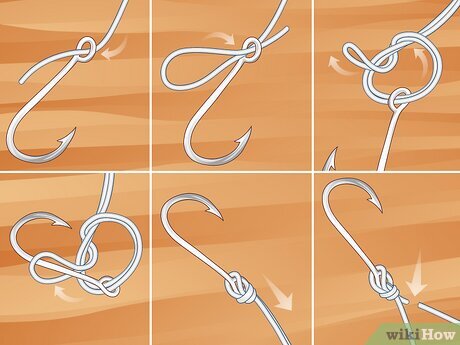
Palomar Knot
The Palomar Knot is strong and simple. It keeps the hook from slipping off during fishing.
Fold the line in half and pass the loop through the hook eye. Tie a loose overhand knot with the loop. Pass the hook through the loop. Pull both ends to tighten the knot.
- Fold line in half
- Pass loop through hook eye
- Tie loose overhand knot
- Pass hook through loop
- Pull ends to tighten
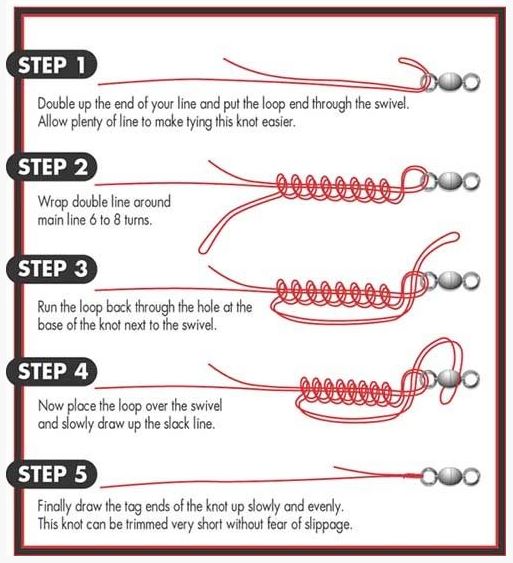
Uni Knot
The Uni Knot is versatile and easy to tie. It works well for hooks, lures, and swivels.
Pass the line through the hook eye. Make a loop by laying the tag end alongside the main line. Wrap the tag end around both lines five times. Pull the tag end to tighten the coils. Slide the knot down to the eye and pull the main line to secure.
- Pass line through hook eye
- Make a loop with tag end
- Wrap tag end 5 times around lines
- Pull tag end to tighten coils
- Slide knot to eye and pull main line

Credit: www.reddit.com
Step-by-step Knot Tying
Putting a hook on the fishing line is an important skill for fishing. A strong knot keeps the hook secure and helps catch fish.
This guide shows simple steps to tie the knot correctly and safely.
Threading The Hook
Start by threading the end of the fishing line through the eye of the hook. Pull about six inches of line through to work with.
Wrapping The Line
Wrap the loose end of the line around the standing line several times. Usually, five to seven wraps create a strong knot.
- Hold the hook and line steady.
- Wrap the loose end around the main line tightly.
- Make sure the coils lie close together.
- Leave a small loop near the hook eye.
Tightening The Knot
Pull the loose end and the main line slowly. This tightens the wraps and secures the hook in place.
| Action | Tip |
|---|---|
| Pull loose end | Pull gently to avoid breaking the line |
| Pull main line | Keep steady pressure for tight knot |
| Check knot | Look for snug wraps with no gaps |
Trimming Excess Line
Use scissors or clippers to cut the extra line close to the knot. Leave a small tail to prevent slipping.
- Cut about 1/8 inch from the knot
- Do not cut too close to avoid knot loosening
- Keep the trimmed line clean and dry
Testing Knot Strength
After tying a hook to your fishing line, testing the knot strength is very important. It helps ensure your knot will hold during fishing.
Weak knots can slip or break, causing you to lose fish. Testing shows if the knot is secure and ready to use.
Applying Tension
To test knot strength, apply steady tension on the line. Pull the line slowly with your hand to feel its hold.
Do not jerk or pull too fast. A slow, steady pull shows if the knot can handle real fishing pressure.
- Hold the hook firmly
- Pull the line slowly and evenly
- Check if the knot slips or loosens
- Repeat the test a few times
Common Mistakes To Avoid
Avoid tying knots with loose wraps or uneven tension. These knots break easily under pressure.
Do not skip the testing step. Many anglers lose fish because they do not check knot strength.
- Using too few wraps in the knot
- Not wetting the line before tightening
- Pulling the knot too fast during testing
- Ignoring signs of slipping or loosening
Tips For Hook Placement
Placing the hook on your fishing line correctly is key for a good catch. Proper hook placement helps the bait look natural and improves your chances to catch fish.
This guide covers important tips on hook orientation and bait attachment. Follow these points to set your hook right every time.
Hook Orientation
Hook orientation means how the hook faces on the line. The hook should point in a way that makes it easy for the fish to bite.
- Point the hook tip slightly upwards for better hooking.
- Keep the hook eye aligned with the line to avoid twisting.
- Ensure the barb is clear of the bait to catch fish securely.
- Adjust the hook angle depending on the bait size and type.
Bait Attachment Basics
Attaching bait properly keeps it on the hook longer and looks natural in the water. Use the right method for the bait you choose.
| Bait Type | Attachment Method |
| Live Worm | Thread through the hook multiple times |
| Soft Plastic | Insert the hook point just under the surface |
| Minnow | Hook through the lips or back |
| Cut Bait | Secure around the hook shank |
Frequently Asked Questions
How Do You Attach A Hook To A Fishing Line?
To attach a hook, thread the line through the hook’s eye. Then, wrap the line around itself five times. Pass the end through the loop near the hook’s eye. Finally, pull tightly to secure the knot.
What Knot Is Best For Fishing Hooks?
The improved clinch knot is popular for fishing hooks. It’s reliable and easy to tie. This knot provides a strong connection between the hook and line. Always moisten the line before tightening the knot to prevent friction.
Can I Use A Swivel With A Hook?
Yes, using a swivel with a hook can prevent line twists. Swivels help maintain the natural movement of the bait. To attach, tie the swivel to the line, then connect the hook to the swivel’s other end.
How Do Beginners Hook A Fishing Line?
Beginners should start by using the improved clinch knot. It’s easy and effective. Practice tying the knot until it feels natural. Ensure the hook is securely attached before casting.
Conclusion
Putting the hook on the fishing line is simple with practice. Choose the right knot and tighten it well. Make sure the hook sits securely on the line. This keeps your bait steady and ready to catch fish. Try different knots to find what works best for you.
Soon, tying hooks will become easy and fast. Enjoy your fishing trips with confidence and success. Keep practicing, and you will improve every time. Simple steps lead to better fishing results.