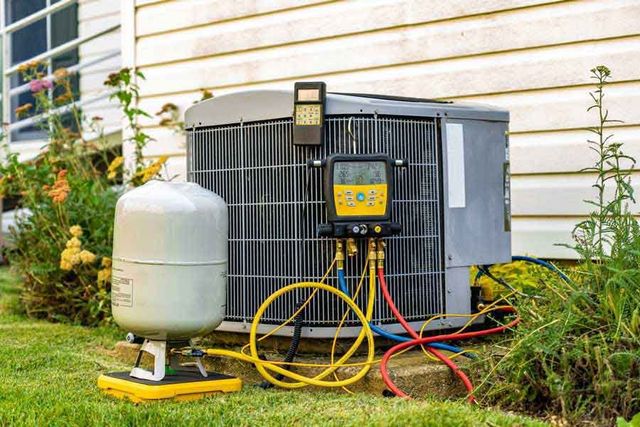
Are you wondering if Freon is still used in your air conditioner? You’re not alone.
Many people ask this question because the name Freon has been around for decades. But with new rules and changes in technology, what’s really inside your AC might surprise you. Understanding this can help you make smarter choices about your cooling system and save money in the long run.
Keep reading to find out the truth about Freon and what it means for your air conditioner.

Credit: morelliair.com
History Of Freon In Air Conditioning
Freon played a key role in the development of modern air conditioning. This gas made cooling safer and more effective. It helped millions enjoy comfortable indoor spaces.
Understanding Freon’s history shows why it was widely used and why changes came later.
Origins Of Freon
Freon was invented in the early 20th century. Chemists sought a safe and efficient refrigerant. Before Freon, dangerous chemicals like ammonia and sulfur dioxide were used.
- In 1928, Thomas Midgley Jr. helped develop Freon.
- Freon is a brand name for chlorofluorocarbons (CFCs).
- It is non-toxic, non-flammable, and stable.
- Freon replaced hazardous refrigerants in cooling systems.
Widespread Adoption
Freon’s safety and efficiency led to widespread use. It became the standard refrigerant in air conditioners worldwide. Businesses and homes used Freon-based systems for decades.
| Decade | Freon Use | Key Development |
|---|---|---|
| 1930s | First commercial air conditioners use Freon | Improved cooling and safety |
| 1950s | Freon used in homes and cars | Mass production and affordability |
| 1970s | Concerns over ozone damage begin | Research on environmental impact |
| 1980s | Regulations start to limit Freon | Shift to alternative refrigerants |
Credit: airchillac.com
Environmental Impact Of Freon
Freon is a type of chemical used in air conditioners. It helps cool the air inside buildings. Many types of Freon belong to a group called CFCs or HCFCs. These chemicals can harm the environment in several ways.
People worry about Freon because it can damage the earth’s protective layers. It also affects the climate by adding to global warming. Understanding these impacts is important for choosing safer cooling options.
Ozone Layer Damage
Freon contains chlorine atoms that break down ozone molecules in the atmosphere. The ozone layer protects living things from harmful ultraviolet rays from the sun. When Freon leaks into the air, it rises to the ozone layer and causes holes.
Ozone layer damage leads to more UV rays reaching the earth. This can cause skin cancer, eye damage, and harm to plants and animals.
- Freon releases chlorine that destroys ozone
- Ozone layer blocks harmful UV rays
- Damage causes health problems for people and animals
Global Warming Concerns
Freon gases are also greenhouse gases. They trap heat in the earth’s atmosphere, making the planet warmer. This warming changes weather patterns and melts polar ice.
Because Freon stays in the air for many years, its effect on global warming lasts a long time. This makes it important to reduce Freon use and find better alternatives.
- Freon traps heat in the atmosphere
- It contributes to rising global temperatures
- Long-lasting impact increases climate risks
Regulations Affecting Freon Use
Freon is a common name for some refrigerants used in air conditioners. Many countries have rules about using Freon. These rules help protect the environment and reduce pollution.
Regulations focus on reducing harmful gases that damage the ozone layer. These rules affect how Freon is made, sold, and used in air conditioners.
International Agreements
Many countries joined agreements to stop using Freon and similar chemicals. These agreements aim to protect the ozone layer and fight climate change.
The most important agreement is the Montreal Protocol. It sets rules to reduce and eventually stop using ozone-depleting substances like Freon.
- Montreal Protocol signed in 1987
- Phases out chemicals that harm the ozone
- Many countries agreed to stop using Freon gases
- Encourages using safer alternatives
National Bans And Restrictions
Individual countries also make their own laws to control Freon use. These laws often ban making or importing certain types of Freon.
Many countries require air conditioners to use safer, eco-friendly refrigerants. These rules help reduce pollution and protect people’s health.
- Ban on producing CFC-based Freon in many countries
- Limits on using HCFC refrigerants in new air conditioners
- Rules for proper recycling and disposal of old Freon
- Fines and penalties for illegal Freon use
Current Status Of Freon In Ac Systems
Freon is a brand name for a group of refrigerants used in air conditioners. Many older AC units still use Freon, especially R-22. Newer systems mostly use safer refrigerants.
Freon has been phased out due to environmental concerns. It harms the ozone layer and contributes to climate change. This led to new rules and alternatives.
Legacy Systems Still Using Freon
Many homes and buildings have old AC units that use Freon. These units were made before new laws started to ban it. They still work but are less efficient and costly to maintain.
Technicians can still recharge these units with recycled Freon. But new Freon production is limited or illegal in many countries. This makes repairs more expensive.
Phase-out Timelines
The phase-out of Freon began in the 1990s under international agreements. R-22 production stopped in the US by 2020. Other countries have similar or upcoming deadlines.
- 1996: Montreal Protocol starts reducing Freon use
- 2010: New AC units banned from using R-22 in the US
- 2020: US stops producing R-22
- 2025 and beyond: Many countries plan full bans on Freon
Consumers are advised to replace old systems with newer, eco-friendly AC units. These use refrigerants with less harm to the environment.
Alternatives To Freon
Freon was once the main refrigerant in air conditioners. Today, many alternatives exist. These new options are better for the environment.
Choosing the right refrigerant helps reduce harm to the ozone layer and cuts greenhouse gas emissions.
Eco-friendly Refrigerants
Many eco-friendly refrigerants replace Freon in air conditioners. These refrigerants have less impact on the environment.
- Hydrofluoroolefins (HFOs) have low global warming potential.
- Hydrocarbons like propane are natural and biodegradable.
- Ammonia is efficient and has zero ozone depletion potential.
- Carbon dioxide (CO2) is non-toxic and widely available.
Technological Advances
New technology improves how air conditioners use refrigerants. It makes systems more efficient and safe.
| Technology | Benefit |
|---|---|
| Variable speed compressors | Save energy by adjusting cooling power |
| Leak detection sensors | Prevent refrigerant loss and pollution |
| Improved heat exchangers | Increase cooling efficiency |
| Smart thermostats | Control temperature more precisely |
Maintaining And Replacing Freon-based Units
Freon has been a common refrigerant in air conditioners for many years. Many homes still use units with Freon, but these systems need special care.
Understanding how to maintain and replace Freon-based units helps extend their life and keep cooling efficient.
Repair Challenges
Repairing Freon-based air conditioners can be tricky. The main problem is finding the right type of Freon. Some types are no longer made or are banned due to environmental rules.
- Older units use R-22 Freon, which is now scarce.
- Technicians need special licenses to handle Freon safely.
- Leaks in the system require careful repair to avoid environmental harm.
- Parts for old Freon units may be hard to find.
Cost Implications
Replacing or fixing Freon-based units can cost more than newer models. The price depends on the type of refrigerant and the unit’s condition.
| Service Type | Estimated Cost |
| Freon Recharge (R-22) | $150 – $300 |
| Leak Repair | $200 – $500 |
| Unit Replacement | $3,000 – $7,000 |
| Newer Unit with Eco-Friendly Refrigerant | $2,500 – $6,000 |
Future Trends In Air Conditioning Refrigerants
Air conditioning systems use refrigerants to cool air. Freon was common for many years. New rules and concerns about the environment are changing this.
Scientists and companies are finding better refrigerants. These new options help protect the planet and work well in air conditioners.
Emerging Solutions
New refrigerants have lower global warming potential. They use less energy and are safer for the ozone layer. Some popular options include HFOs and natural refrigerants like propane and CO2.
- Hydrofluoroolefins (HFOs) have low environmental impact
- Natural refrigerants like CO2 are non-toxic and safe
- Propane is efficient but needs careful handling
- Some blends mix old and new refrigerants to improve performance
These alternatives can replace Freon in many systems. They help meet new laws and reduce harm to the environment.
Industry Outlook
The air conditioning industry is moving away from Freon. Manufacturers must adapt to new refrigerants. This change creates challenges and opportunities.
Training and new equipment are needed for safe use. Governments support the change with rules and incentives. This helps speed up the switch to greener refrigerants.
- Stricter regulations limit harmful refrigerants
- Companies invest in research for better solutions
- Technicians need education on new refrigerants
- Consumers may see more eco-friendly air conditioners

Credit: www.aljazeera.com
Frequently Asked Questions
Is Freon Still Used In Air Conditioners?
Freon, specifically R-22, has been phased out for environmental reasons. New air conditioners now use more eco-friendly refrigerants like R-410A. If your unit uses Freon, consider upgrading to a newer model. This change helps reduce ozone depletion and promotes a healthier environment.
What Replaced Freon In Air Conditioners?
R-410A is the common replacement for Freon in modern air conditioners. It’s more energy-efficient and environmentally friendly. Unlike Freon, R-410A doesn’t contribute to ozone depletion. If you need to replace an old system, look for units using this refrigerant.
Why Was Freon Banned?
Freon was banned because it contributes to ozone layer depletion. The release of chlorofluorocarbons (CFCs) from Freon damages the ozone. As a result, regulations phased out Freon to protect the environment. Today, eco-friendlier refrigerants are used in air conditioning systems.
Can I Still Use An Ac With Freon?
You can still use an AC with Freon, but options are limited. Freon production has stopped, making it expensive and hard to find. Consider upgrading to a newer system with environmentally friendly refrigerants. This change ensures better performance and supports environmental protection.
Conclusion
Freon has been widely used in air conditioners for decades. Yet, newer laws and environmental concerns have changed its use. Many modern air conditioners use safer, eco-friendly refrigerants now. Older units may still contain Freon but need careful handling. Proper maintenance helps keep systems efficient and safe.
Knowing about refrigerants helps you make smart choices. Air conditioning technology keeps evolving to protect the planet. Stay informed to choose the best option for your needs.