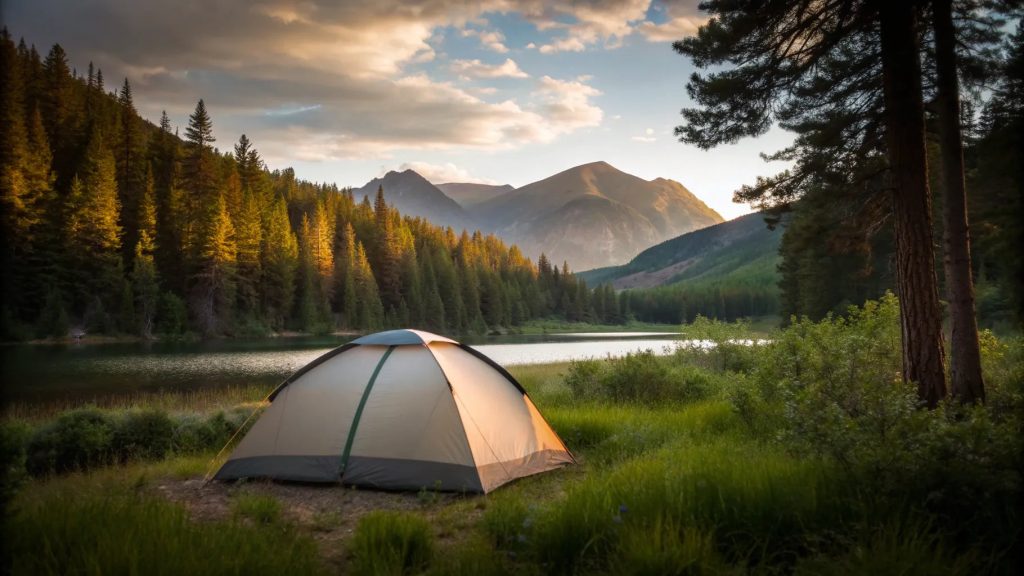
Looking for the perfect spot to pitch your tent without spending a dime? You’re not alone.
Finding free places to camp can save you money and bring you closer to nature. But where exactly can you set up your tent safely and legally? You’ll discover the best free camping spots that let you enjoy the outdoors without breaking the bank.
Keep reading, and you’ll learn insider tips to find hidden gems for your next adventure. Your next unforgettable camping experience is just a few paragraphs away.
Free Public Lands
You can camp for free on many public lands across the country. These places offer a great way to enjoy nature without paying fees.
Free camping is often allowed in areas managed by federal and state agencies. Always check local rules before you pitch your tent.
National Forests
National Forests cover millions of acres and allow free camping in many spots. You can camp outside marked campgrounds on most forest land.
Dispersed camping means setting up your tent away from developed sites. It is usually free but comes with some rules to protect nature.
- Camp at least 200 feet from water sources
- Use existing campsites when possible
- Pack out all trash and leave no trace
- Check for fire restrictions before camping
Bureau Of Land Management Areas
The Bureau of Land Management (BLM) manages many lands where camping is free. These areas are often in the West and offer wide open spaces.
You can camp almost anywhere on BLM land unless signs say otherwise. These lands give you a chance to camp in remote and quiet places.
- Camp at least 300 feet from roads and water
- Stay no longer than 14 days in one spot
- Use existing fire rings to build campfires
- Respect wildlife and other visitors
State Trust Lands
Some states allow camping on State Trust Lands for free. These lands are used to support public schools and can vary in rules by state.
Before camping, check with the state agency that manages these lands. Some require permits or have restrictions on camping locations.
- Verify camping rules with state land offices
- Follow any permit or registration requirements
- Camp only in allowed areas to protect resources
- Practice Leave No Trace principles always
Hidden Beach Campsites
Finding a quiet place to pitch a tent can be a great way to enjoy nature. Hidden beach campsites offer calm spots away from crowds. They let you fall asleep to the sound of waves.
These campsites often have less foot traffic and more privacy. You can explore coastal views and enjoy peaceful mornings by the sea.
Coastal Access Points
Coastal access points let you reach quiet beaches perfect for camping. These spots are usually near trails or small parking areas.
- Check local maps for small beach access paths.
- Look for areas with less development and few buildings.
- Respect any posted rules about camping or fires.
- Bring all needed supplies, as services may be far.
Lakeside Secluded Spots
Lakeside spots offer calm water views and shade from trees. These places are often hidden behind hills or forested areas.
| Spot Name | Location | Best Time to Visit |
| Whisper Cove | North Lake | Spring and Fall |
| Hidden Pines | East Shore | Summer |
| Quiet Bay | West End | Year-round |
Remote Mountain Locations
Finding a free spot to pitch a tent in remote mountain areas can be a great way to enjoy nature. These places offer peace and beautiful views away from crowded campsites.
It is important to know where camping is allowed for free. Many mountains have special zones for backcountry camping and areas near trailheads.
Backcountry Zones
Backcountry zones are areas deep in the wilderness. They are far from roads and developed campgrounds. You can usually camp for free here if you follow the rules.
These zones require you to carry all your gear and pack out your trash. They give you a chance to experience nature fully and quietly.
- Camp at least 200 feet away from water sources
- Use existing campsites when possible
- Follow Leave No Trace principles
- Check for fire restrictions
Trailhead Camp Areas
Trailhead camp areas are spots near the start of hiking trails. They often allow free camping for hikers and backpackers. These areas are easier to reach than backcountry zones.
Trailhead camps usually have basic facilities like parking and sometimes toilets. They are good places to rest before heading into the mountains.
- Arrive early to secure a spot
- Keep noise low to respect other campers
- Store food safely to avoid wildlife
- Follow posted rules and guidelines

Credit: www.freepik.com
Urban Free Camping
Finding places to pitch a tent for free in the city can be tricky. Urban free camping means camping without paying in spots inside or near towns.
You can camp in some community parks, unused lots, or green spaces. Always check local rules before setting up your tent.
Community Parks
Community parks are public areas with open fields and trees. Some parks allow camping at night without fees.
Look for parks that are less crowded and far from playgrounds or picnic spots. Respect park rules and keep the area clean.
Unused Lots And Green Spaces
Unused lots and small green spaces are often empty land in cities. These places can be good for setting up a tent quietly.
Make sure the land is not private property. Avoid areas with signs or fences. Leave no trash behind to keep the spot safe for others.
Legal Considerations
Pitching a tent for free is a great way to enjoy nature. It is important to follow the law to avoid trouble.
Different places have rules about where you can camp. Knowing these rules keeps you safe and respectful.
Permits And Regulations
Many areas require permits to camp. This helps control the number of campers and protects nature.
Check local rules before you set up your tent. Some places limit camping to specific spots or seasons.
- Obtain permits if needed from park offices or online
- Follow rules about where camping is allowed
- Respect limits on campfire use
- Use designated campsites when required
Leave No Trace Principles
Leave No Trace means camping without harming nature. It helps keep places clean and beautiful.
Follow these simple steps to camp responsibly. Your actions protect wildlife and plants.
- Camp on durable surfaces like grass or dirt
- Pack out all trash and leftover food
- Do not damage trees or plants
- Dispose of waste properly, away from water sources
- Keep noise low to avoid disturbing wildlife

Credit: boutiquecamping.com
Tips For Finding Secret Spots
Pitching a tent for free can be a great way to enjoy nature. Finding secret spots helps you avoid crowded places.
Look for hidden locations that are safe and quiet. Use different methods to discover these special camping areas.
Using Online Resources
Many websites and apps help find free camping spots. These tools show places others have shared and rated.
Search for forums and maps that list secret or less-known camping areas. Read reviews to pick safe locations.
- Use apps like iOverlander and Campendium
- Check online forums for local camping tips
- Look at satellite maps to spot hidden clearings
- Read recent reviews for updated information
Connecting With Local Communities
Local people know many secret camping spots. Talking with them can reveal hidden gems not online.
Visit local outdoor shops or community centers to ask about free tent spots. Be respectful and follow local rules.
- Join local hiking or camping groups
- Ask residents for safe and quiet camping areas
- Attend community events to meet outdoor enthusiasts
- Respect private property and get permission if needed

Credit: gearjunkie.com
Frequently Asked Questions
Where Can I Legally Camp For Free In The Us?
You can camp for free on Bureau of Land Management (BLM) lands and some national forests. Always check local rules before setting up your tent.
Can I Pitch A Tent On Public Lands Without Permission?
In many public lands like national forests, dispersed camping is allowed without permits. However, some areas may require permission or have restrictions.
Are There Free Camping Sites Near Popular National Parks?
Yes, some national parks allow free camping on adjacent public lands. Research nearby BLM or forest lands for free spots close to parks.
What Should I Consider When Camping For Free?
Check local regulations, avoid private property, practice Leave No Trace, and ensure your safety. Respect nature and follow all rules to camp responsibly.
Conclusion
Free tent pitching spots offer great ways to enjoy nature. You can find public lands, national forests, and some state parks that allow free camping. Always check local rules before setting up your tent. Respect the environment and leave no trace behind.
Camping for free saves money and brings adventure close. Try different places and discover new outdoor experiences. Nature is waiting. Grab your gear and enjoy the simple joy of camping under the sky.