Have you ever been startled by a sound that made you think a car alarm was going off, only to realize it was coming from a bird? If you’re curious about which bird can mimic that annoying, mechanical noise, you’re not alone.
Understanding this surprising connection will change the way you listen to nature around you. Keep reading, and you’ll discover the bird behind that unmistakable sound and why it imitates a car alarm in the first place. This little secret of the wild might just make you appreciate your surroundings in a whole new way.

Credit: www.reddit.com
Birds Mimicking Car Alarms
Some birds can copy sounds they hear in their environment. This includes noises like car alarms. These birds use their voices to imitate these mechanical sounds.
Birds often mimic car alarms to communicate or to scare off other animals. Their ability to copy strange sounds surprises many people.
Common Species Known For Alarm Sounds
Several bird species are famous for copying car alarm sounds. These birds are skilled mimics and use many sounds from their surroundings.
- Mimic Thrushes
- Lyrebirds
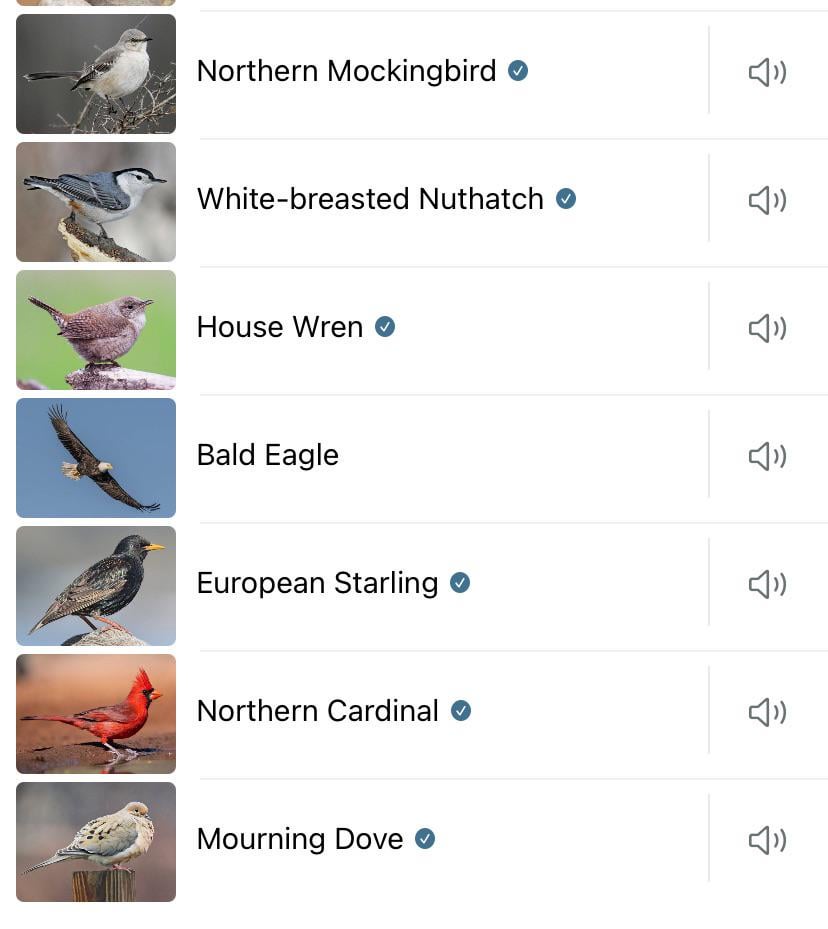
- Mockingbirds
- Starlings
- Parrots
Lyrebirds are especially known for their amazing ability to mimic. They can copy chainsaws, camera shutters, and car alarms very well.
Reasons Behind Imitating Car Alarms
Birds mimic car alarms for several reasons. One reason is to protect their territory by scaring off other birds or animals.
Another reason is to attract mates. Imitating unusual sounds shows their skill and intelligence. This helps them find a partner.
- Territory defense by startling rivals
- Attracting mates with unique sounds
- Learning and practicing new vocal skills
- Blending into noisy environments

Credit: thespinoff.co.nz
The Northern Mockingbird’s Unique Call
The Northern Mockingbird is famous for its many sounds. It can copy noises from other birds and even machines.
One of the most interesting sounds it makes is similar to a car alarm. This helps it protect its home and warn others.
Sound Patterns That Resemble Alarms
The Northern Mockingbird uses sharp, loud sounds that rise and fall quickly. These sounds can sound like car alarms or sirens.
It repeats these alarm-like calls many times in a row. This makes the noise clear and hard to ignore.
- High-pitched whistles
- Rapid repeated notes
- Squeaky or buzzy sounds
- Shifting tones that mimic alarms
Behavioral Traits During Alarm Calls
When the Northern Mockingbird hears danger, it becomes very alert. It stands tall and starts its alarm call loudly.
The bird often puffs up its feathers and moves quickly. It may also chase away other animals near its nest.
- Alert posture with raised feathers
- Rapid loud calling
- Chasing or flying near threats
- Protecting nests and territory
Other Birds With Alarm-like Sounds
Some birds make sounds that remind us of alarms or sirens. These sounds help them warn others about danger. Many birds use these calls to protect their homes or alert their flock.
Below, you will learn about two birds known for their loud and sharp alarm-like sounds. Their unique calls show how birds use sound in nature.
The Lyrebird’s Impressive Vocal Range
The lyrebird can copy many sounds from its environment. It often mimics other animals and even machines. Its alarm-like sounds can confuse predators and protect the bird.
- Mimics chainsaws and camera shutters
- Copies other bird calls
- Produces complex alarm sounds
- Uses sounds to mark territory
The Blue Jay’s Sharp Calls
Blue jays have loud, sharp calls that sound like alarms. They use these calls to warn other birds about nearby threats. Their voices can sound like a car alarm or a harsh scream.
| Call Type | Purpose |
| Sharp “jay” call | Alert others of danger |
| Soft “whisper” call | Communicate quietly with mates |
| Loud alarm call | Scare off predators |
How Birds Use Alarm Sounds In Nature
Some birds make sounds that remind us of car alarms. These alarm calls help birds stay safe. They warn others about danger nearby.
Birds use alarm sounds in many ways. These sounds help protect them from predators and keep their groups together.
Deterring Predators
Birds use loud, sharp alarm sounds to scare away predators. These noises can confuse or startle animals that want to hunt them.
Some alarm calls mimic dangerous sounds, like car alarms, to make predators think a bigger threat is near.
- Loud calls warn predators to stay away
- Sharp sounds make predators feel unsafe
- Mimicking alarms tricks predators into leaving
Communicating With Flock Members
Birds use alarm sounds to tell their flock about danger. These calls help group members react quickly and stay safe.
The alarm sounds also help keep the flock together. When one bird sounds the alarm, others know to stay close or fly away.
- Alert others about predators nearby
- Help flock move or hide together
- Keep the group safe with quick warnings
Impact Of Urban Noise On Bird Calls
Birds use sounds to communicate for mating and warning. City noise changes how birds sing and call.
Many birds live near people and adjust their sounds to be heard. This change affects their behavior and survival.
Adaptation To City Environments
Some birds change their songs to fight loud sounds from cars and machines. They sing higher or louder.
- Sing at a higher pitch to avoid noise overlap
- Call more often during quieter times of day
- Use shorter and clearer sounds
- Shift singing times to early morning or late evening
Challenges Posed By Human Sounds
Human noises like car alarms and sirens confuse birds. These sounds can sound like danger or calls from other birds.
| Type of Human Noise | Effect on Birds |
| Car Alarms | Cause stress and false alarms |
| Construction Noise | Mask bird calls and reduce communication |
| Traffic Noise | Force birds to sing louder, using more energy |
| Sirens | Disrupt daily bird routines and feeding |
Tips To Identify Bird Alarm Sounds
Some birds make sounds that resemble car alarms. These sounds help them protect their homes. Learning to recognize these calls can improve your birdwatching skills.
Bird alarm sounds warn others about danger nearby. They can be sharp, loud, and repeated. Knowing these sounds helps you spot the bird quickly.
Listening Techniques
Focus on the rhythm and pitch of the sound. Bird alarm calls often have a fast, repetitive pattern. They can sound like short bursts or sharp whistles.
Try to listen in quiet places. Avoid noisy areas where other sounds mix with the bird calls. This helps you hear the alarm clearly.
- Pay attention to sudden, high-pitched sounds
- Notice if the call repeats quickly
- Listen for sharp or harsh tones
- Compare sounds to nearby traffic or alarms
Using Technology For Birdwatching
Use apps that record and identify bird sounds. These tools help you match unknown calls to known bird alarms. They make learning easier and faster.
Try using a good microphone or a smartphone with a sound recorder. Clear recordings help you study the bird calls later. You can compare sounds with online bird call libraries.
- Use bird sound identification apps
- Record calls with a quality microphone
- Compare recordings with online databases
- Share recordings with birdwatching groups for help

Credit: www.reddit.com
Frequently Asked Questions
Which Bird Mimics A Car Alarm Sound?
The Northern Mockingbird is known for mimicking various sounds, including car alarms. This bird is highly vocal and can imitate many noises. Its ability to replicate urban sounds makes it distinctive. It’s often found in North America and is famous for its versatile vocal repertoire.
Why Do Birds Imitate Car Alarms?
Birds mimic car alarms to establish territory and attract mates. The Northern Mockingbird uses its extensive range of sounds to show off its vocal skills. This mimicking behavior demonstrates their adaptability to urban environments, where car alarms are common sounds.
How Can I Identify A Mockingbird’s Call?
Listen for a series of repeated phrases that mimic other sounds. The Northern Mockingbird often repeats each phrase three to four times. Its call includes diverse sounds, including other birds, alarms, and mechanical noises. Observing its behavior can also help in identification.
Where Do Northern Mockingbirds Live?
Northern Mockingbirds are commonly found in North America. They inhabit open areas with sparse vegetation, urban parks, and suburbs. These adaptable birds thrive in various environments, including gardens and residential areas. Their presence is often marked by their loud and varied vocalizations.
Conclusion
Birds that sound like car alarms can surprise you. Their calls are sharp and loud. This helps them protect their homes from danger. You might hear these sounds near trees or parks. Knowing which bird makes this noise adds fun to birdwatching.
Next time you hear a strange alarm, think of these birds. Nature can mimic sounds in amazing ways. Keep listening and enjoy the unique bird calls around you.