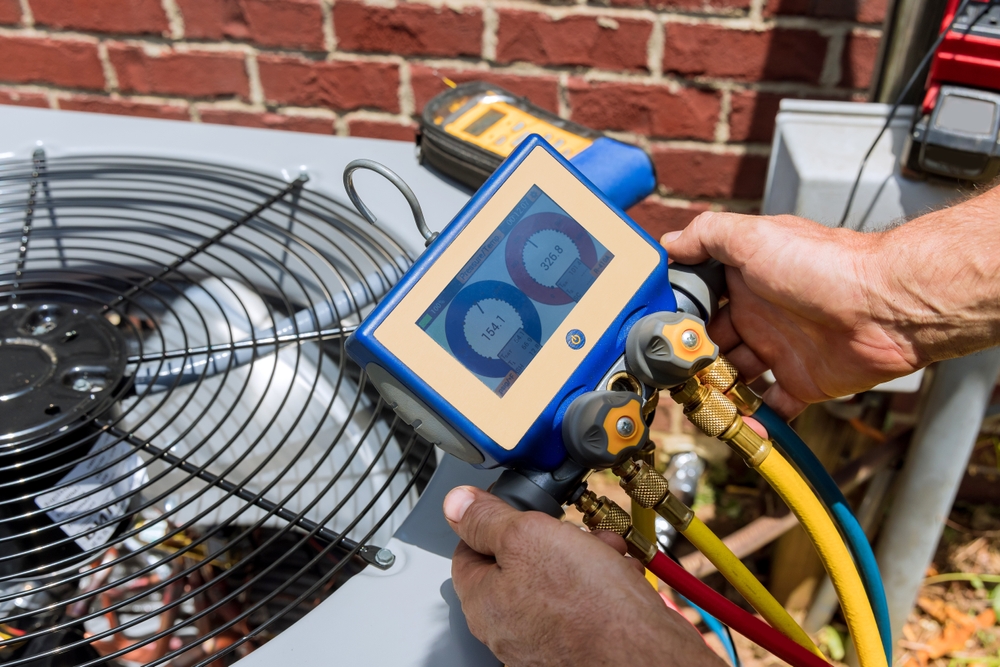
Have you ever noticed a strange smell when your air conditioner is running and wondered what it could be? That unusual scent might be the refrigerant, a key part of how your AC keeps you cool.
But what does air conditioner refrigerant actually smell like, and why should you care? Knowing this can help you spot problems early and keep your home safe and comfortable. Keep reading to discover what that smell means and what you should do if you notice it in your space.
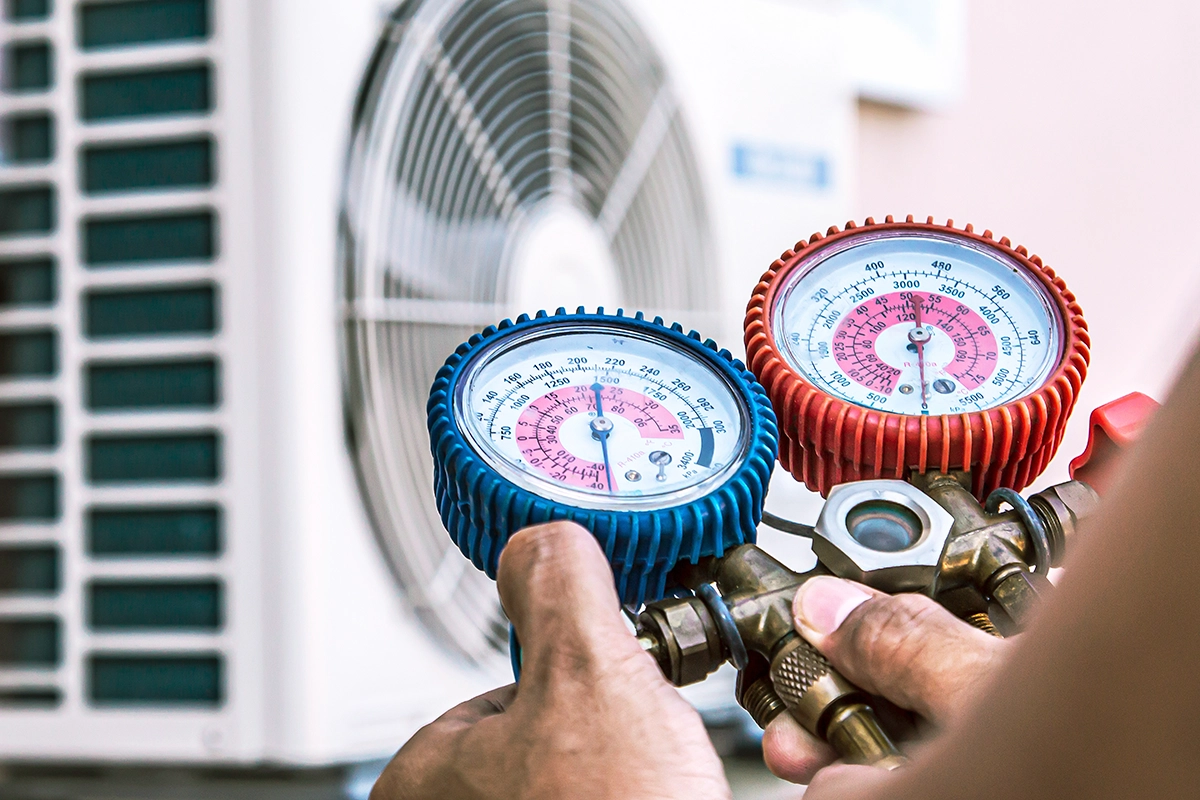
Credit: subzerotempcontrol.com
Common Air Conditioner Refrigerant Smells
Air conditioner refrigerant leaks can produce different smells. Recognizing these odors helps identify leaks early. This guide explains common refrigerant smells.
Knowing what each scent means can prevent damage and keep your AC running safely. Read on to learn about three typical refrigerant odors.
Sweet Or Ether-like Odor
This smell is often described as sweet or similar to ether. It happens when refrigerant leaks into the air. The scent is mild but noticeable.
- Smell may remind you of cleaning fluid or nail polish remover.
- It usually signals a small leak in the system.
- Can cause dizziness or headaches if exposure is long.
Chemical Or Solvent Scent
This odor is sharper and more chemical-like. It often smells like paint thinner or strong solvents. It indicates a larger refrigerant leak.
| Odor Type | Description | Possible Cause |
| Chemical | Strong, sharp solvent smell | Major refrigerant leak |
| Sweet | Mild, ether-like scent | Small refrigerant leak |
| Faint Leak | Light, subtle refrigerant odor | Minor leak or early stage |
Faint Refrigerant Leak Smell
This scent is very light and hard to detect. It may smell like a faint chemical or oily odor. It signals the earliest stage of a refrigerant leak.
Signs of a faint leak:
- Occasional weak scent near AC unit
- Lower cooling performance
- Unusual noises or moisture buildup
Causes Of Refrigerant Odors
Air conditioner refrigerant usually has a faint chemical smell. This odor can become stronger if there is a problem. Understanding the causes helps you spot issues early.
Some common reasons for refrigerant odors include leaks, old refrigerant, and contaminants inside the system. Each cause affects the smell differently.
Leaks In The Ac System
Leaks let refrigerant escape from the AC system. This causes a strong, sweet or ether-like smell near the unit. Leaks happen due to worn parts or damage.
Finding leaks early is important. It prevents loss of cooling power and stops harmful chemicals from escaping into the air.
- Small holes in pipes or coils
- Loose fittings or connections
- Cracked compressor seals
Old Or Degraded Refrigerant
Refrigerant can break down over time. Old refrigerant may smell different, often more pungent or sour. This happens when it reacts with air or moisture.
Degraded refrigerant reduces cooling efficiency. It can also cause damage to the AC system if not replaced promptly.
Contaminants In The System
Dirt, dust, and moisture can enter the AC system. These contaminants mix with refrigerant and create unpleasant smells. The odor may be musty or sharp.
Contaminants can cause blockages and corrosion. Regular maintenance helps keep the system clean and odor-free.
- Dust buildup on coils
- Water from leaks or humidity
- Rust or corrosion inside pipes
Health Risks Linked To Refrigerant Smells
Air conditioner refrigerants have a distinct smell that can be harmful. Breathing in these smells may cause health problems. Knowing the risks helps you stay safe.
Refrigerant leaks can release gases that irritate the body. It is important to avoid long exposure to these fumes.
Respiratory Irritation
Breathing in refrigerant fumes can irritate your nose and throat. It may cause coughing or shortness of breath.
People with asthma or lung problems may feel worse after exposure. Fresh air is needed to reduce irritation quickly.
Headaches And Nausea
Smelling refrigerant leaks can cause headaches or dizziness. Some people also feel sick to their stomach.
These symptoms happen because the body reacts to harmful chemicals in the air. Moving to a well-ventilated area helps ease the symptoms.
Long-term Exposure Concerns
Repeated exposure to refrigerant fumes can harm the nervous system. It may affect memory, concentration, and overall health.
Some refrigerants can damage the liver and kidneys after long contact. It is important to fix leaks quickly and avoid breathing the fumes.
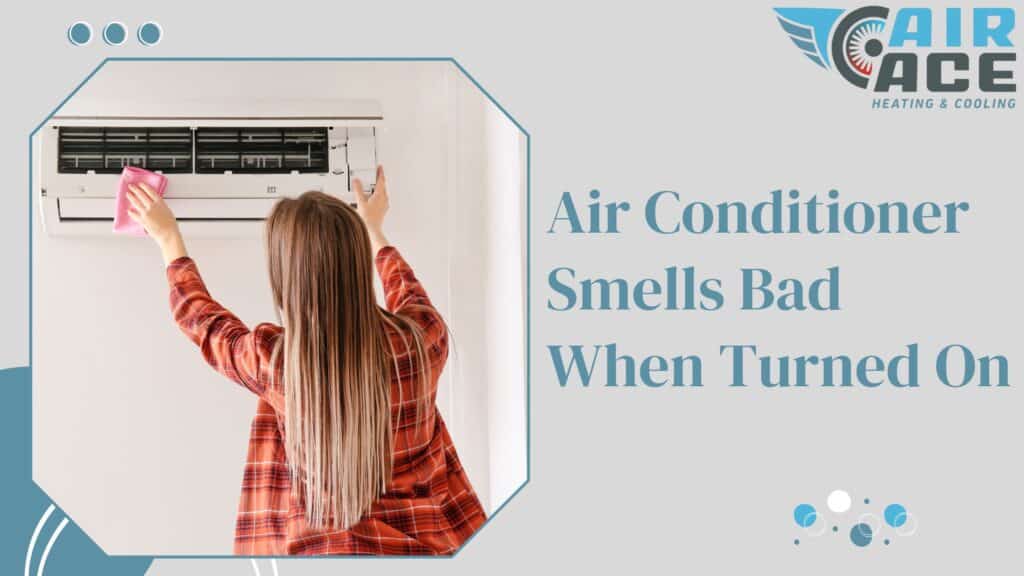
Credit: airaceheatingandcooling.com
Detecting Refrigerant Leaks At Home
Air conditioner refrigerant leaks can cause poor cooling and damage your unit. Detecting leaks early helps save energy and repair costs.
Many leaks release a distinct smell that you can notice if you pay attention. Learning the signs helps keep your home comfortable and safe.
Using Your Nose As A First Check
Refrigerants often have a sweet or ether-like smell. If you detect unusual odors near your AC, it might be a leak.
- Smell near the indoor unit and outdoor compressor
- Check for musty or chemical-like scents
- Notice any sudden changes in odor after turning on the AC
Visual Signs Of Leaks
Look for visible clues around your air conditioner that show a refrigerant leak.
| Sign | Description |
|---|---|
| Oil Stains | Refrigerant leaks often carry oil, causing dark spots near connections. |
| Frost or Ice | Ice buildup on the coils or pipes can mean low refrigerant levels. |
| Corrosion | Rust or corrosion on the unit’s pipes or fittings might signal leaks. |
Professional Leak Detection Tools
Experts use special tools to find leaks that are not obvious by smell or sight.
- Electronic leak detectors that sense refrigerant gases
- Ultraviolet dye added to the system to reveal leaks under UV light
- Soap bubble test to check for escaping gas on joints and fittings
Steps To Take When You Smell Refrigerant
Smelling refrigerant from your air conditioner can be a sign of a leak. Refrigerants usually have a sweet or ether-like odor. It is important to act quickly to avoid health risks and damage to your AC system.
Follow these steps carefully to handle the situation safely and effectively.
Turning Off The Ac System
First, turn off the air conditioning system immediately. This stops the refrigerant from leaking further. It also prevents the system from running inefficiently or causing more damage.
Locate your thermostat or the main power switch for the AC unit and switch it off. If you cannot find it, turn off the circuit breaker connected to your air conditioner.
Ventilating The Area
Open all windows and doors to let fresh air in. Ventilating the area helps reduce the concentration of refrigerant gas inside your home. Avoid staying in the room until it is well aired out.
- Open windows and doors wide.
- Use fans to increase air flow.
- Evacuate pets and children from the area.
- Do not use any flames or spark sources nearby.
Calling A Certified Technician
Do not try to fix the refrigerant leak yourself. Refrigerants can be harmful and require special handling. Call a certified HVAC technician to inspect and repair your AC system.
| Reason to Call a Professional | Details |
|---|---|
| Safety | Technicians use proper tools to handle refrigerants safely. |
| Proper Repair | They can find leaks and fix them correctly. |
| Legal Compliance | Certified pros follow environmental laws on refrigerant use. |
Preventing Refrigerant Smells
Refrigerant smells from air conditioners can be unpleasant and harmful. It is important to prevent these odors by caring for your AC system properly.
Regular checks and maintenance keep your AC working well and stop refrigerant leaks that cause bad smells.
Regular Ac Maintenance
Keeping your air conditioner clean helps prevent refrigerant odors. Dirt and dust can block air flow and cause problems.
- Clean or replace air filters every 1-3 months
- Clear debris around the outdoor unit
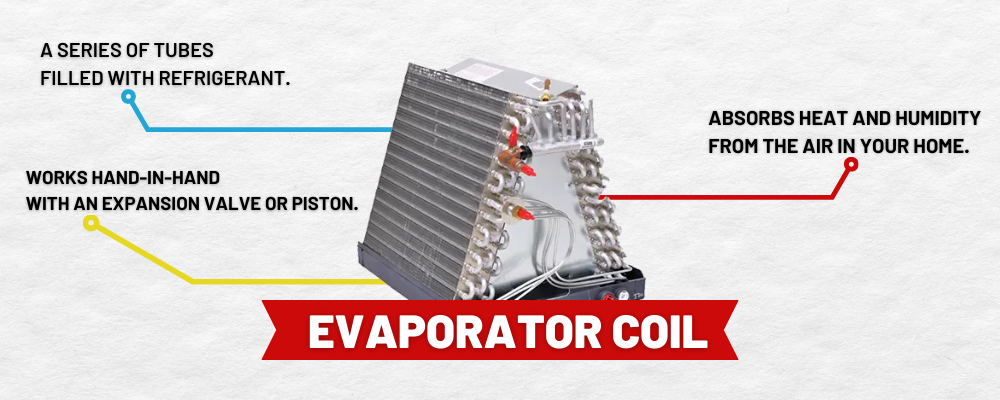
- Check and clean evaporator and condenser coils
- Ensure proper drainage to avoid water buildup
Timely Leak Repairs
Leaks in your AC system let refrigerant escape. This creates a strong chemical smell. Fix leaks quickly to avoid health risks and damage.
| Signs of Leak | Action Needed |
| Oily residue near AC parts | Call a technician for inspection |
| Reduced cooling performance | Schedule a leak test and repair |
| Unusual chemical or sweet smell | Turn off AC and seek repair service |
Choosing Quality Refrigerants
Using good quality refrigerants reduces leaks and odors. Low-quality refrigerants can damage your AC and cause smells.
Benefits of Quality Refrigerants:
- Longer AC system life
- Less chance of leaks
- Better cooling efficiency
- Lower environmental impact
Credit: www.logan-inc.com
Frequently Asked Questions
What Is The Smell Of Air Conditioner Refrigerant?
Air conditioner refrigerant often has a sweet, chloroform-like odor. If you detect this smell, it could indicate a refrigerant leak. It’s crucial to address this issue promptly, as refrigerant leaks can impact your air conditioner’s efficiency and may pose health risks.
Why Does My Ac Smell Like Chemicals?
If your AC emits a chemical smell, it may be due to a refrigerant leak. Refrigerants have a distinct chemical odor similar to ether or chloroform. This smell indicates a potential leak which needs immediate attention to prevent decreased cooling efficiency and possible health hazards.
Is Refrigerant Smell Harmful To Health?
Yes, refrigerant smells can be harmful. Inhaling refrigerant can lead to health issues such as headaches, dizziness, and respiratory problems. It’s essential to address any suspected refrigerant leaks promptly. If you notice a refrigerant odor, contact a professional technician to inspect your air conditioning system.
How Do I Identify Refrigerant Leak Smell?
A refrigerant leak often smells sweet or like chloroform. This odor can be subtle or strong, depending on the size of the leak. If you suspect a refrigerant leak, it’s advisable to contact a professional technician immediately to inspect and repair your air conditioning system.
Conclusion
Air conditioner refrigerant often has a faint, sweet, or chemical smell. This odor can signal a leak or problem with your system. Smelling refrigerant means you should check your AC unit soon. Avoid breathing in the fumes for long periods.
Regular maintenance helps keep your air conditioner safe and fresh. Knowing this smell can protect your home and health. Stay alert and act quickly if you notice it. Simple steps can prevent bigger issues and costly repairs. Keep your living space comfortable and safe all year.