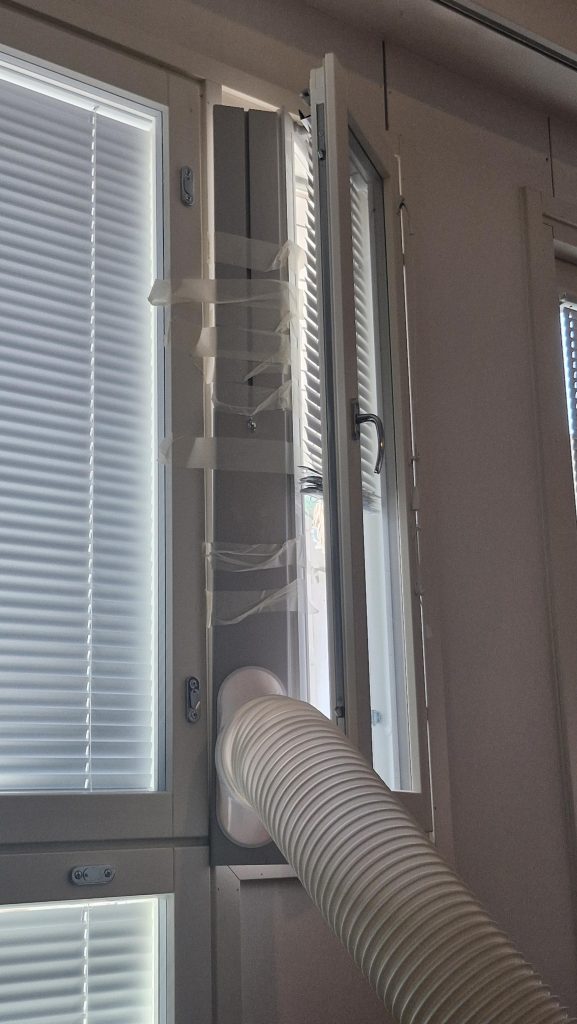
If you’ve just bought a portable air conditioner, you might be wondering how to set it up the right way. One of the most important steps is venting it through a window.
Without proper venting, your room won’t cool down, and the unit could even overheat. But don’t worry—venting your portable AC is easier than you think. In this guide, you’ll learn simple, step-by-step instructions to get your air conditioner working efficiently in no time.
Keep reading to discover how to keep your space cool and comfortable all summer long.
Choosing The Right Window
Choosing a window that fits your portable air conditioner’s vent hose is very important. Some windows work better for venting than others.
- Sliding windowsare common and easy to use for venting.
- Double-hung windowscan also work but may need extra support.
- Casement windowsopen outward and can fit vent hoses well.
- Windows that open sideways or upwardsare usually the best fit.
Measure the width and height of the window opening. This helps ensure the vent kit fits well.
Check if the window is easy to reach and open. Accessibility makes installation safer and simpler.

Credit: www.dreo.com
Preparing The Window
Start by cleaning the window areawell. Dirt and dust can stop the air conditioner from fitting properly. Use a cloth and some water to wipe the window sill and frame until they are clean.
Remove any obstacles and screensthat block the window. This makes space for the vent hose. Take out window screens or objects that stop the vent from fitting tightly.
Make sure the vent fits securelyin the window opening. A loose fit can let hot air back inside. Use foam strips or weather stripping to seal gaps around the vent hose. This keeps cool air in and hot air out.
Setting Up The Venting Kit
A typical venting kit includes a window panel, exhaust hose, and hose adapter. The window panel fits into the window frame and holds the exhaust hose in place.
The exhaust hose carries hot air from the air conditioner to outside. It is usually flexible and made from durable plastic. The hose adapter connects the hose to the air conditioner unit securely.
- Align the hose adapter with the air conditioner’s vent port.
- Push the adapter into place until it clicks or feels secure.
- Attach the exhaust hose to the adapter by sliding it over.
- Make sure the hose fits tightly to avoid leaks.
Next, slide the window panel into the open window. Adjust the panel width to fit the window size. Secure the panel using screws or clips provided. Insert the free end of the exhaust hose into the hole in the window panel. This setup keeps hot air flowing out and prevents bugs or dirt from coming inside.

Credit: www.amazon.ca
Installing The Portable Ac Vent
Connect the vent hosefirmly to the back of the portable AC unit. Make sure the hose fits tightly to avoid air leaks. The hose usually clicks or screws into place.
Attach the other end of the hose to the window panel. This panel fits inside the open window. Secure the hose with the provided connector or clips for a tight fit.
Seal any gaps around the window panel using weather stripping or foam tape. This stops warm air from coming inside and keeps cool air inside the room. Check all edges to ensure no space is left open.
Testing And Adjustments
Check the vent hose for strong airflow. Air should blow out freely without blockages. Move the hose slightly to see if the air changes. This helps find any leaks or kinks that slow airflow.
Make sure the unit stands firm and level. A tilted unit may leak water or stop working well. Use a small block or pad under one side if needed. Secure the vent hose to avoid it falling or moving.
Keep the vent setup clean and clear. Remove dirt and dustfrom the window vent and hose regularly. Clean filters often to help air pass easily. Check the window seal for gaps and fix them to stop hot air from entering.
Common Troubleshooting Tips
Poor ventilation can reduce the air conditioner’s cooling power. Make sure the exhaust hose is straight and not bent. Check the window kit to ensure it fits tightly. Small gaps can let hot air back inside. Use weather stripping to seal any leaks.
Hose detachments happen when the hose is loose or stretched. Attach the hose firmly to the unit and the window adapter. Use clamps or strong tape to keep the hose in place. Avoid pulling or bending the hose sharply.
Noise and vibrations come from loose parts or the unit touching hard surfaces. Place the unit on a flat, stable surface. Use rubber pads or foam strips to reduce vibrations. Tighten screws and check for loose panels regularly.

Credit: www.reddit.com
Frequently Asked Questions
How Do I Install A Window Vent Kit?
To install a window vent kit, measure your window’s opening first. Trim the window slider to fit. Attach the hose to the air conditioner and the window kit. Securely place the kit in the window frame. Ensure there are no gaps for optimal efficiency.
Can I Use A Portable Ac Without Venting?
Using a portable AC without venting is not recommended. Venting removes hot air generated by the unit. Without venting, the room won’t cool effectively. It could also overheat the unit, reducing its efficiency and lifespan. Always follow the manufacturer’s instructions for proper venting.
What Materials Do I Need For Venting?
You need a window vent kit, exhaust hose, and a window seal. The kit usually includes a window slider and connectors. Ensure you have any necessary tools like a screwdriver. Proper installation ensures efficient cooling and prevents warm air from entering the room.
Do All Portable Acs Require Window Venting?
Yes, most portable air conditioners require venting through a window. Venting is necessary to expel hot air produced during cooling. Without it, the unit’s efficiency decreases. Some models offer venting options through doors or walls, but windows are most common.
Conclusion
Venting a portable air conditioner through a window is simple and effective. It helps cool your room quickly by removing hot air outside. Always measure your window and use the right kit for a secure fit. Seal any gaps to keep cool air inside and warm air out.
This setup saves energy and keeps your space comfortable. Follow these steps to enjoy a cooler home all summer. Easy to do, and worth the effort.