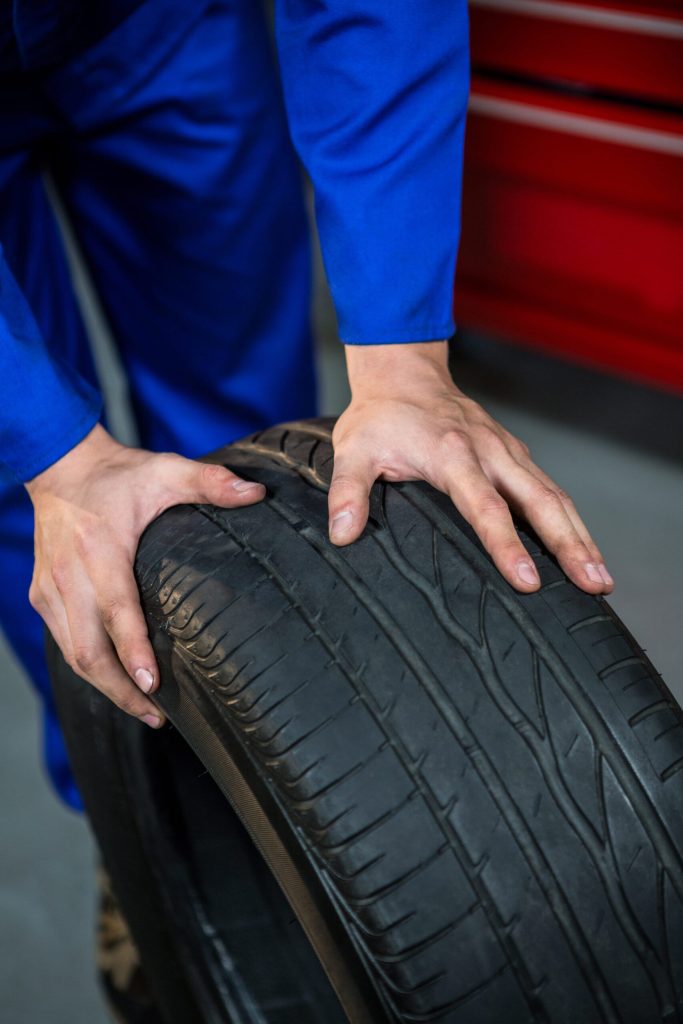
Your car tires are the only part of your vehicle that touches the road. That makes them incredibly important for your safety and comfort.
But how often should you change your car tires to keep everything running smoothly? If you wait too long, you risk accidents, poor fuel efficiency, and costly repairs. Change them too soon, and you waste money. You’ll discover simple tips to know exactly when it’s time to replace your tires—saving you money and keeping you safe every time you drive.
Keep reading to learn what signs to watch for and how to make the best decision for your car and your peace of mind.
Credit: www.continental-tires.com
Signs To Replace Tires
Knowing when to change your car tires is important for safety. Tires wear out over time and can cause accidents.
Look for clear signs that show your tires need replacement. This helps you avoid problems on the road.
Tread Depth Indicators
Tread depth is the height of the grooves on your tire. Low tread makes it hard to grip the road, especially in rain.
Most tires have tread wear indicators. These are small bars inside the grooves. When the tread is level with these bars, it is time to replace the tire.
- Check tread depth with a penny or tread gauge
- If tread is less than 2/32 inch, replace the tire
- Look for tread wear bars showing on the tire surface
Visible Cracks And Bulges
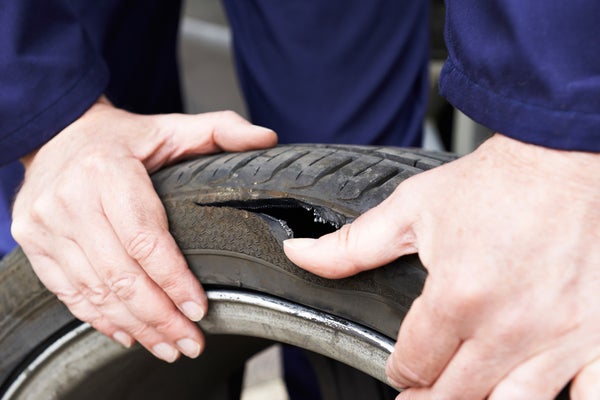
Cracks or bulges on tires mean the rubber is damaged. This can cause a sudden blowout while driving.
Check the sidewalls and tread for any cuts, cracks, or bubbles. If you see these, replace the tire immediately.
- Cracks often appear from aging or sun damage
- Bulges show weak spots under the tire surface
- Any visible damage means the tire is unsafe
Uneven Wear Patterns
Tires should wear evenly across the surface. Uneven wear means there is a problem with alignment or tire pressure.
Look for areas that are more worn than others. This can reduce tire life and cause poor handling.
- More wear on one edge may mean poor alignment
- Center wear can happen from over-inflation
- Wear on edges can come from under-inflation
- Replace tires with uneven wear to stay safe

Credit: www.reddit.com
Recommended Tire Lifespan
Car tires do not last forever. They wear out with use and time. Knowing when to change them keeps you safe on the road.
The lifespan of tires depends on many factors. These include the brand, road types, and how you care for them.
Manufacturer Guidelines
Tire makers give advice on how long tires should last. Most recommend changing tires every six years.
Even if tires look fine, old rubber can become unsafe. Age affects tire strength and performance.
- Check the tire’s manufacture date on the sidewall
- Replace tires after six years, regardless of wear
- Follow any specific advice from the tire brand
Impact Of Driving Conditions
Where and how you drive changes tire life. Rough roads and hot climates make tires wear faster.
High speeds and heavy loads also reduce tire lifespan. Careful driving helps tires last longer.
- Driving on smooth roads extends tire life
- Hot weather speeds up rubber aging
- Heavy loads cause faster tread wear
- Avoid sudden stops and sharp turns
Storage And Maintenance Effects
Proper care and storage help tires last longer. Check air pressure often and keep tires clean.
Store tires in cool, dry places away from sunlight. Poor storage can cause cracks and damage.
- Keep tires inflated to the correct pressure
- Rotate tires regularly to ensure even wear
- Store tires in shaded, dry areas
- Clean tires to remove dirt and chemicals
Safety Risks Of Old Tires
Old tires can be very dangerous on the road. They lose their strength and grip over time.
Using worn tires increases the chance of accidents. It is important to know the risks.
Reduced Traction
As tires age, their tread wears down. This reduces their ability to grip the road surface.
Lower traction makes it harder to drive safely, especially on wet or icy roads.
Increased Blowout Risk
Old tires are more likely to have cracks and weak spots. This raises the chance of a blowout.
- Cracks in the sidewall can cause air leaks.
- Weak spots can fail under high pressure or heat.
- Blowouts can lead to sudden loss of control.
Poor Handling And Braking
| Effect | Old Tires |
| Handling | Less responsive steering |
| Braking | Longer stopping distance |
| Safety | Higher accident risk |

Credit: www.reddit.com
Regular Tire Maintenance
Changing car tires regularly keeps your vehicle safe. Tires wear out over time and affect driving.
Maintaining tires helps extend their life and improves fuel efficiency. Check your tires often.
Tire Rotation Schedules
Rotating tires moves them to different positions on your car. This helps tires wear evenly.
Most cars need tire rotation every 5,000 to 8,000 miles. Check your owner’s manual for advice.
- Front tires wear differently than rear tires
- Rotating tires extends their lifespan
- Follow a regular rotation schedule for best results
Proper Inflation Checks
Check tire pressure at least once a month. Proper inflation keeps tires safe and efficient.
Underinflated tires wear out faster and reduce fuel economy. Overinflated tires can cause a rough ride.
- Use a tire pressure gauge to check pressure
- Check pressure when tires are cold
- Inflate tires to the recommended pressure found in your car manual
Alignment And Balancing
Proper wheel alignment keeps your car driving straight and prevents uneven tire wear.
Balancing tires stops vibrations and makes your ride smoother. Both should be checked regularly.
- Get alignment checked if your car pulls to one side
- Balance tires every time you replace or rotate them
- Misalignment and imbalance cause premature tire wear
Choosing The Right Tires
Choosing the right tires helps keep your car safe and running well. Tires wear out over time, so knowing when to change them is key.
Different tires fit different needs. Pick tires that suit your driving and weather conditions.
Seasonal Tire Options
Some tires work better in certain seasons. Summer tires grip the road well in warm weather. Winter tires handle snow and ice safely.
All-season tires offer a balance for year-round use but may not perform best in extreme weather.
- Summer tires: Best for hot, dry roads
- Winter tires: Designed for cold, snowy conditions
- All-season tires: Good for mild climates
Matching Tires To Driving Style
Your driving style changes what tires you need. If you drive fast or take sharp turns, performance tires help with control.
If you mostly drive in the city or on highways, touring tires give a smooth and quiet ride.
- Performance tires: For sporty and fast driving
- Touring tires: For comfort and long trips
- Off-road tires: For rough, unpaved roads
Budget Vs. Quality
Tires come in many prices. Cheaper tires save money upfront but may wear out faster. Quality tires last longer and offer better safety.
Think about how long you keep your car. Spending more on tires can be smart if you drive a lot or keep the car for years.
- Budget tires: Lower cost, shorter life
- Quality tires: Higher cost, better durability
- Check tire reviews and ratings before buying
Frequently Asked Questions
How Often Should Car Tires Be Replaced?
Car tires should be replaced every 25,000 to 50,000 miles. However, it depends on driving habits and road conditions. Regularly check tire tread depth and look for signs of wear. Proper maintenance can extend tire life. Always consult your vehicle’s manual for specific recommendations.
What Signs Indicate Tire Replacement Is Needed?
Signs of tire replacement include tread wear, cracks, and bulges. Uneven tread depth or exposed cords are also indicators. If tires are over six years old, consider replacement. Vibration or noise while driving can signal tire issues. Regularly inspect tires to ensure safety.
How Does Driving Style Affect Tire Lifespan?
Aggressive driving and hard braking can decrease tire lifespan. Consistent high-speed driving also wears tires faster. Gentle acceleration and braking extend tire life. Properly inflated tires wear evenly and last longer. Regularly rotate tires to promote even wear.
Do Different Climates Affect Tire Wear?
Yes, climates impact tire wear significantly. Hot climates can cause faster tread wear. Cold conditions may lead to cracking. Seasonal tire changes help manage wear in extreme climates. Consider using all-season or appropriate seasonal tires. Regular maintenance ensures optimal performance in any climate.
Conclusion
Changing your car tires regularly keeps you safe on the road. Tires wear out over time and lose grip. Check them every 6,000 to 8,000 miles for best results. Watch for signs like cracks, bulges, or low tread depth. Good tires improve fuel efficiency and handling.
Don’t wait for problems; stay ahead with timely changes. Your car and passengers deserve reliable tires. Simple care helps avoid accidents and costly repairs. Keep your drive smooth and worry-free by changing tires as needed. Safety starts with your tires—pay attention and act.