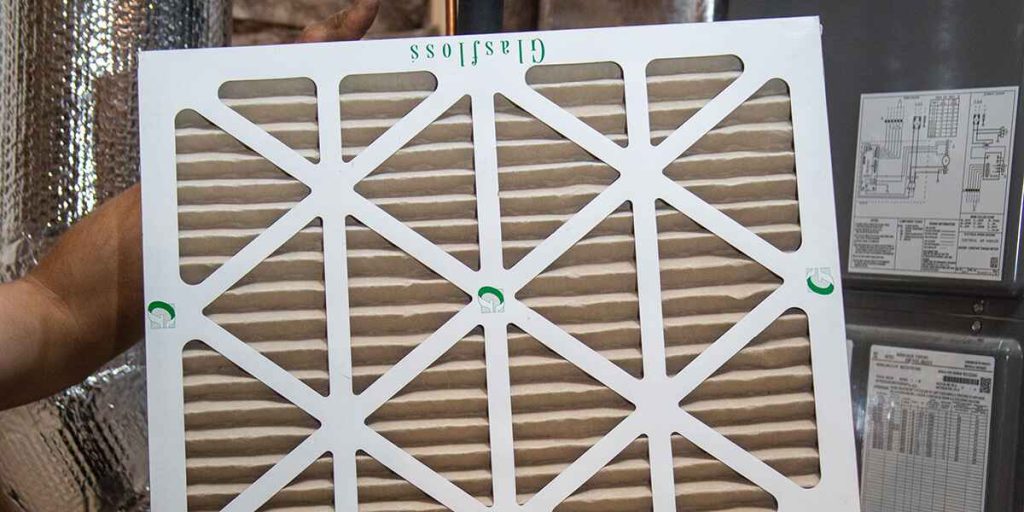
Have you ever wondered what happens if you don’t change your air conditioner filter? It might seem like a small task, but ignoring it can lead to big problems for your home and your health.
Dirty filters can make your AC work harder, cost you more money, and even affect the air you breathe every day. Keep reading to discover why changing your air conditioner filter is so important and how skipping this simple step could be hurting you more than you think.

Credit: climatecontrolinc.com
Role Of Air Conditioner Filters
Air conditioner filters play a key rolein keeping indoor air clean. They trap dust, dirt, and allergensbefore air circulates in your home. Clean filters help the AC work better and last longer.
Filters use a mesh or fiber screen to catch tiny particles. This stops these particles from entering the air you breathe. Clean filters improve air qualityand reduce allergy problems.
| Filter Type | Description |
|---|---|
| Fiberglass | Cheap, captures large particles, needs frequent change |
| Pleated | Better filtration, traps smaller dust, lasts longer |
| HEPA | High efficiency, traps tiny allergens, best for allergies |
| Electrostatic | Uses static charge to catch particles, washable |

Credit: www.youtube.com
Consequences Of A Dirty Filter
A dirty air conditioner filter blocks air from flowing freely. This causes the system to work harder to cool your space. Cooling becomes less effective and uneven. The air conditioner uses more energy to maintain temperature. This leads to higher electricity bills. Over time, constant strain can damage parts of the unit. It also shortens the air conditioner’s lifespan. Changing the filter regularly keeps airflow strong and efficient.
- Blocked airflowreduces cooling power.
- More energyis needed for the same cooling.
- Higher energy billsdue to extra work.
- Possible damage to the unitover time.
- Shorter lifespanof your air conditioner.
Health Risks Linked To Dirty Filters
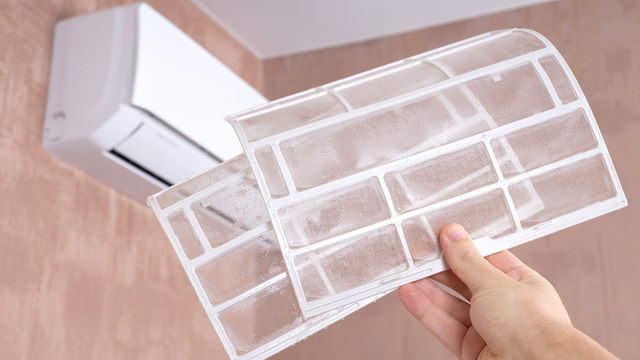
A dirty air conditioner filter traps dust, pollen, and other allergens. These particles then circulate in the air you breathe. This can cause respiratory problemslike coughing, sneezing, and wheezing. People with asthma or allergies feel worse.
Dirty filters also create a perfect place for mold and bacteriato grow. These germs spread through the air and can cause infections and sickness. Mold spores can make breathing harder and cause allergic reactions.
- Allergens build up and lower air quality.
- Respiratory issues increase for sensitive people.
- Mold and bacteria grow on dirty filters.
- Illness risk rises due to airborne germs.
Credit: www.bestownerdirect.com
Impact On Air Conditioner Lifespan
Dirty filterscause strain on air conditioner parts. Dust blocks airflow, making the system work harder. This extra effortleads to faster wear and tearon components like the motor and compressor.
Clogged filterscan cause parts to overheat. Over time, this can damagethe system and reduce its lifespan. Small issues can turn into big problems.
- Broken parts need costly repairs.
- Replacing major parts or the whole unit costs a lot.
- Regular filter changes save money and extend the system’s life.
Signs You Need To Change The Filter
Visible dirt and duston the air conditioner filter is a clear sign it needs changing. A dirty filter blocks airflow and lowers the AC’s efficiency. Dust buildup can cause the system to work harder, increasing energy use and wear. Check the filter every month during heavy use.
Unusual odors and noisescoming from the AC also signal a dirty filter. Dust and debris can cause a musty smell or strange sounds. These noises might mean the system parts are stressed or clogged. Changing the filter often keeps the air fresh and the AC running quietly.
Tips For Proper Filter Maintenance
Choosing the right filter helps keep your air clean and system healthy. Filters come in different sizesand materials. Make sure the filter fits your air conditioner model. Some filters catch smaller dust particles than others. A high-efficiency filtercan improve air quality but may need more frequent changes.
| Filter Type | Recommended Replacement Frequency |
|---|---|
| Basic Fiberglass | Every 30 days |
| Pleated Filter | Every 60-90 days |
| High-Efficiency Filter | Every 30-60 days |
Regular replacement stops dust and dirt from clogging the filter. This keeps airflow strong and your system running smoothly. Clean filters also help save energy and prevent damage.
Frequently Asked Questions
Why Change Your Air Conditioner Filter Regularly?
Changing your air conditioner filter regularly ensures optimal performance. A clean filter improves air quality and energy efficiency. It prevents dust and allergens from circulating in your home. Regular maintenance extends the lifespan of your air conditioner, saving you money on repairs.
What Are The Risks Of A Dirty Filter?
A dirty filter restricts airflow, causing your air conditioner to work harder. This increases energy consumption and utility bills. Over time, it can lead to overheating and system failure. It also reduces indoor air quality, triggering allergies and respiratory issues.
How Often Should You Change The Air Filter?
Typically, you should change your air conditioner filter every 1-3 months. The frequency depends on usage and filter type. Homes with pets or allergies may require more frequent changes. Regular checks ensure your system runs efficiently and maintains good air quality.
Does A Dirty Filter Affect Cooling Efficiency?
Yes, a dirty filter significantly affects cooling efficiency. It restricts airflow, causing the system to struggle in maintaining desired temperatures. This results in uneven cooling and increased energy consumption. Regular filter changes ensure effective cooling and lower electricity bills.
Conclusion
Dirty air filters cause your AC to work harder and use more energy. Dust and dirt build up, lowering air quality in your home. This can lead to health problems and more frequent repairs. Clean filters help your air conditioner cool better and last longer.
Changing filters regularly saves money and keeps your home comfortable. Don’t wait until problems start. Take care of your AC with simple filter changes. Your home and wallet will thank you.