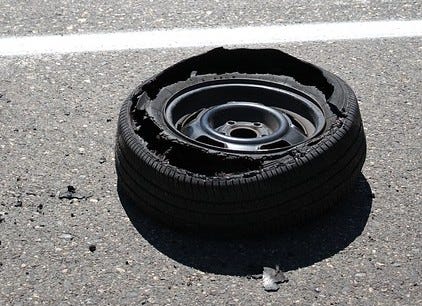
Have you ever been caught off guard by a flat tire? It can happen anywhere, but some places are much more likely to cause your tires to go flat.
Knowing where your car is most at risk can save you time, money, and a lot of frustration. You’ll discover the common spots where flat tires happen the most and learn how to avoid them. Keep reading to protect your car and stay safe on the road.
Common Flat Tire Causes
Flat tires happen more often than you think. Knowing where and why they occur helps you avoid trouble.
This guide explains the common causes of flat tires on roads and what to watch out for.
Sharp Objects On Roads
Sharp objects like nails, glass, and screws can pierce tires easily. These objects often come from construction sites or accidents.
Driving over these can cause slow leaks or sudden flats.
Poor Road Maintenance
Cracked pavement, potholes, and uneven surfaces damage tires. Roads that are not repaired cause tires to wear out faster.
| Road Issue | Effect on Tires |
| Potholes | Can cause sidewall damage or blowouts |
| Cracks | Lead to slow air leaks |
| Loose gravel | Increases puncture risk |
| Uneven surfaces | Cause uneven tire wear |
Weather Impact
Weather changes affect tire pressure and condition. Cold weather lowers tire pressure and makes rubber brittle.
- Hot weather can cause tires to overheat and weaken.
- Freezing temperatures increase the chance of cracks.
- Wet roads make it harder to spot sharp debris.
Road Construction Areas
Construction zones have loose materials and debris that can puncture tires. Workers often use nails and screws that fall on roads.
- Drive slowly and carefully.
- Avoid sharp turns on rough surfaces.
- Watch for warning signs and debris.

Credit: www.motortrend.com
High-risk Locations
Flat tires happen more often in some places than others. Knowing these places helps drivers stay alert.
Roads and parking areas can have hidden dangers that cause tire damage. It is important to spot these risks.
Urban Streets
Urban streets have many objects that can cause flats. Sharp debris, potholes, and construction zones are common.
Cars often hit nails, glass, or metal pieces on busy city roads. These items can puncture tires quickly.
- Broken glass from accidents
- Loose nails and screws
- Uneven pavement and potholes
- Road work debris
Highways And Freeways
Highways have high speeds and heavy traffic. Small debris on the road can cause sudden tire damage.
Objects like fallen cargo or tire pieces from other vehicles are risks. Drivers may not see these hazards in time.
- Loose tire fragments from trucks
- Metal or plastic debris from accidents
- Sharp rocks and gravel on shoulders
Rural Roads
Rural roads are often less maintained. Potholes and sharp rocks are common causes of flat tires here.
Farm equipment and wildlife can also leave hazards on these roads. Drivers must watch carefully for these risks.
- Sharp rocks and gravel
- Deep potholes and cracks
- Farm tools or equipment left on road
- Animal debris and branches
Parking Lots
Parking lots have many hidden dangers for tires. Broken glass and sharp objects can be scattered on the ground.
Tire damage often happens near dumpsters or areas with heavy foot traffic. Drivers should check tires after parking.
- Broken glass from bottles
- Loose nails or screws
- Metal pieces near dumpsters
- Sharp stones or debris near curbs
Road Features That Increase Risk
Cars can get flat tires more often in places where the road is not smooth. Some road features make tires more likely to be damaged.
Knowing these features helps drivers stay careful and avoid flats.
Potholes And Cracks
Potholes are holes in the road caused by weather and traffic. Cracks are long splits in the pavement.
Hitting potholes or cracks can break tires or cause air to leak. They also damage rims and suspension parts.
Debris Accumulation
Debris includes sharp objects like glass, nails, or metal pieces on the road. These can puncture tires easily.
Debris tends to gather near road edges or construction zones. Driving over this debris raises the risk of flats.
Uneven Surfaces
Uneven roads have bumps, dips, or sudden changes in height. These can cause tires to hit hard spots.
Hard impacts can cause tire damage or sudden air loss. Uneven surfaces also make it harder to control the car.
Loose Gravel Zones
Loose gravel means small stones scattered on the road surface. They can puncture tires or cause slipping.
Driving fast on loose gravel increases the chance of tire cuts. Gravel roads need extra caution to avoid flats.

Credit: medium.com
Preventive Measures
Flat tires can happen anywhere, but you can lower the chance. Taking care of your tires helps you avoid problems.
Some simple steps keep your tires in good shape and stop flats before they start.
Regular Tire Inspections
Check your tires often for cuts, cracks, or objects stuck in the tread. Look at the tire pressure and make sure it matches the recommended level.
- Inspect tires every two weeks
- Look for nails, glass, or sharp stones
- Check tire pressure with a gauge
- Watch for uneven tire wear
Safe Driving Practices
Drive carefully to avoid tire damage. Sudden stops and fast turns can hurt tires. Slow down over bumps and potholes.
- Keep a steady speed
- Avoid sharp turns
- Slow down on rough roads
- Do not overload your car
Avoiding Hazardous Areas
Some places have more sharp objects or rough surfaces. Try to stay away from these areas to protect your tires.
Hazardous Areas to Avoid:
- Construction zones with debris
- Roads with potholes or loose gravel
- Areas with scattered sharp metal or glass
- Unpaved or poorly maintained roads
Proper Tire Maintenance
Keep your tires balanced and rotated. Proper maintenance helps tires last longer and reduces flat risks.
| Maintenance Task | Recommended Frequency |
| Tire Rotation | Every 6,000 to 8,000 miles |
| Wheel Balancing | Once a year or after new tires |
| Tire Alignment | When you notice uneven wear or pulling |
| Replacing Tires | Every 6 years or when tread is low |
What To Do After A Flat Tire
Getting a flat tire can happen anywhere. Knowing what to do next keeps you safe and helps fix the problem quickly.
This guide explains the best actions to take after a flat tire. Follow these steps to handle the situation calmly and safely.
Safe Spot To Stop
Find a safe place to stop your car right after the flat tire happens. Look for a wide shoulder, parking lot, or quiet street.
Avoid stopping on curves, hills, or busy roads. Turn on your hazard lights to alert other drivers.
Using A Spare Tire
If you have a spare tire, you can replace the flat one yourself. Make sure the car is on level ground and use the parking brake.
Use a jack to lift the car and remove the flat tire. Then, install the spare tire and tighten the bolts securely.
- Check the spare tire pressure before use
- Only drive slowly and carefully on a spare tire
- Replace or repair the flat tire as soon as possible
Calling For Assistance
If you cannot change the tire yourself, call for help. Use a roadside assistance service or contact a tow truck.
Stay inside the car if it is safe, or stand away from traffic while waiting. Keep your phone charged for emergencies.
Tire Repair Vs Replacement
Not all flat tires need to be replaced. Some can be repaired if the damage is small and in the tread area.
Replace the tire if the sidewall is damaged, the hole is large, or the tread is worn out. A professional can help decide.
- Repair if puncture is less than 1/4 inch
- Replace if sidewall is cut or damaged
- Replace if tread depth is below safe limit

Credit: medium.com
Frequently Asked Questions
Where Do Cars Most Commonly Get Flat Tires?
Cars most commonly get flat tires on roads with potholes, construction zones, and debris. Poorly maintained streets increase flat tire risks. Sharp objects like nails and glass also cause flats. Urban areas with heavy traffic and road damage are high-risk locations.
Why Do Construction Zones Cause More Flat Tires?
Construction zones often have loose nails, screws, and sharp debris on the road. Uneven surfaces and potholes in these areas increase tire damage chances. Drivers passing through construction zones should slow down and watch for hazards to avoid flats.
Are Highways More Prone To Flat Tires Than City Streets?
Highways generally have fewer sharp objects but higher speeds can worsen tire damage. City streets often have more debris and potholes, increasing flat tire chances. Both locations pose risks, but city streets tend to cause more flats due to road conditions.
How Does Weather Affect Flat Tire Likelihood?
Extreme heat can cause tires to overinflate and burst, while cold weather makes tires brittle. Wet roads can hide sharp debris, increasing flat risks. Sudden temperature changes also affect tire pressure, leading to flats. Regular tire checks help prevent weather-related flats.
Conclusion
Flat tires happen most on rough roads and busy city streets. Sharp objects like nails or glass cause many flats. Poor road maintenance and construction zones increase risks too. Watch your tires often and avoid debris when possible. Staying alert helps keep your tires safe and strong.
Regular tire checks prevent surprises on the road. Safe driving means fewer flat tires and smoother trips.