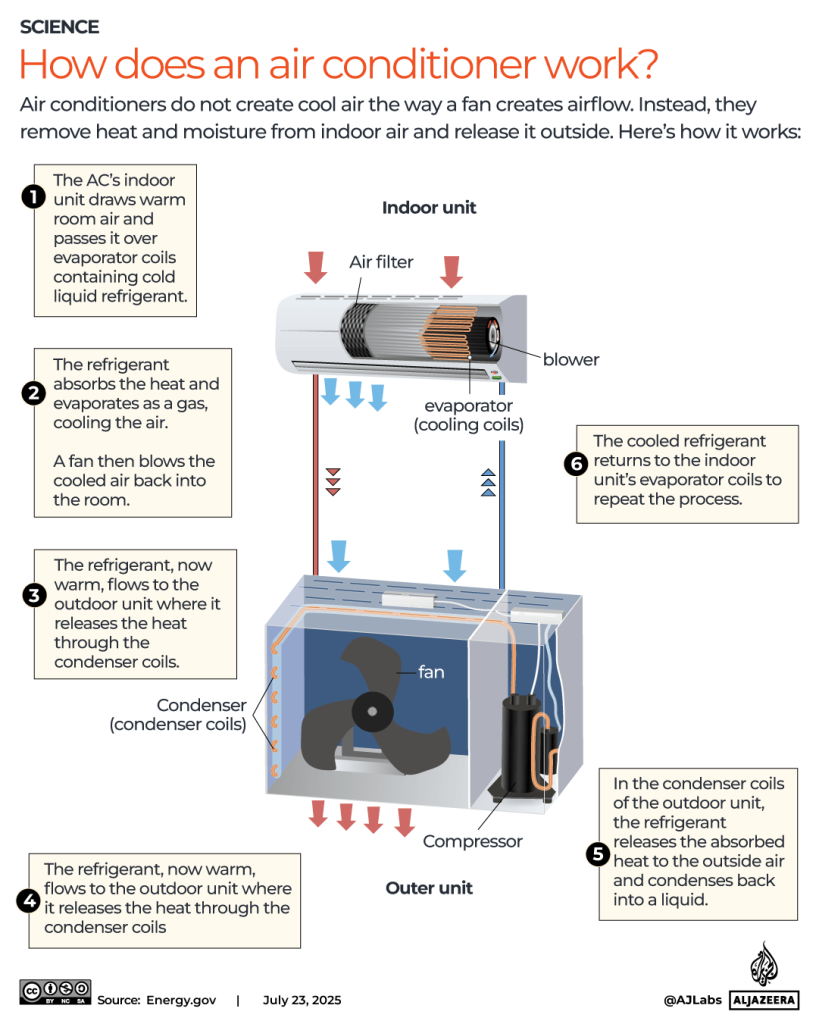
Have you ever wondered how your air conditioner keeps your home cool and comfortable, especially during the hottest days? At the heart of this cooling process is a part you might not think about often—the air conditioner condenser.
Understanding what the condenser does can help you take better care of your system and avoid costly repairs. You’ll discover exactly how this key component works and why it’s essential for your AC’s performance. Keep reading to unlock the secrets behind your air conditioner’s cooling power.
Credit: www.ecicomfort.com
Air Conditioner Condenser Basics
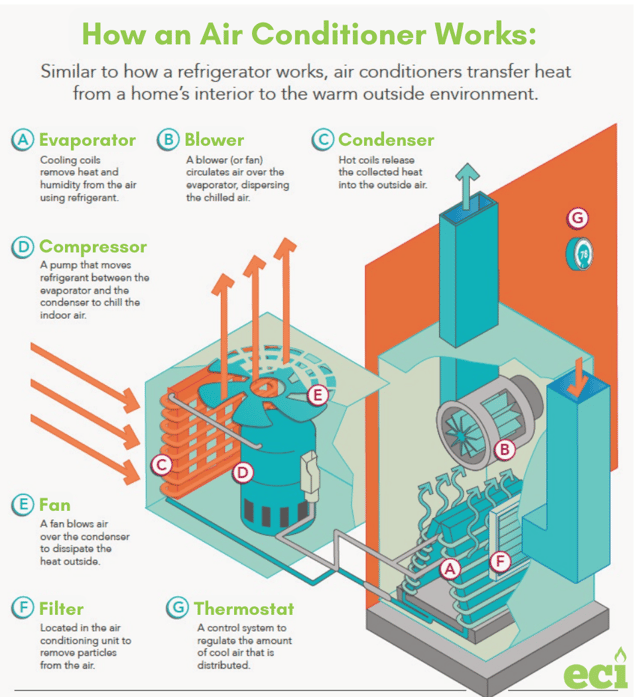
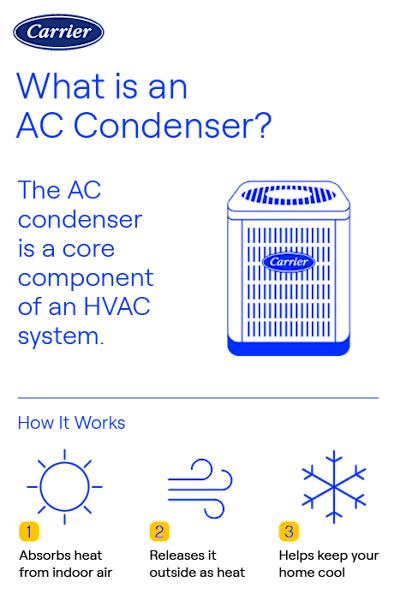
The air conditioner condenserplays a key role in the cooling process. It releases heat from the refrigerant to the outside air. This helps cool down the liquid refrigerant so it can absorb heat inside your home again. Without the condenser, the system cannot remove heat efficiently.
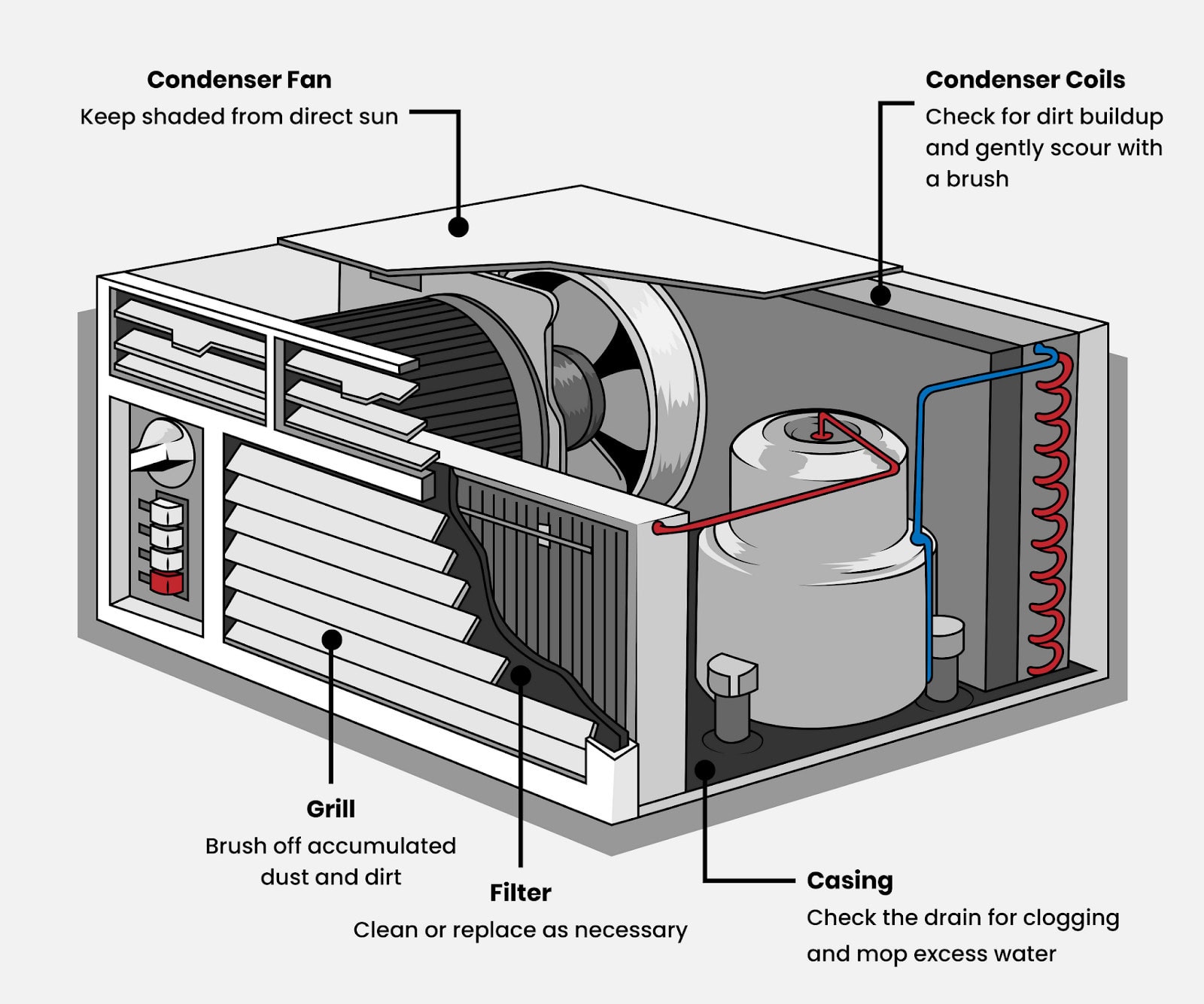
Key components include:
- Coils:These hold the hot refrigerant and cool it down by releasing heat.
- Fan:Helps blow air over the coils to cool the refrigerant faster.
- Compressor:Pumps the refrigerant through the system and raises its pressure.
- Fins:Increase surface area to improve heat transfer.
Credit: blog.totalhomesupply.com
How The Condenser Works
The condenserhelps cool the hot gas coming from the compressor. It moves heat from the refrigerant to the outside air. This happens inside the condenser coils, where the hot gas turns into a cooler liquid.
The refrigerant cyclestarts with the compressor pumping hot gas. The condenser cools the gas, changing it to liquid. Then, the liquid refrigerant goes to the evaporator. There, it absorbs heat from inside the house. This cycle repeats, removing heat and cooling the air.
Types Of Condensers
Air-cooled condensersuse outside air to cool refrigerant. They have fans that blow air over coils. This type is common in homes and small buildings. They are easy to install and maintain. But they can be less efficient in hot weather.
Water-cooled condensersuse water to cool refrigerant. Water flows through tubes while refrigerant flows outside. These condensers are more efficient than air-cooled ones. They need a water source and regular cleaning to stop scale buildup.
Evaporative condenserscombine air and water cooling. Water sprays over coils while fans blow air. The water evaporates, removing heat from refrigerant. They save water compared to water-cooled condensers. Often used in large cooling systems.
Credit: www.carrier.com
Common Issues And Maintenance
The air conditioner condenser releases heat from inside your home to the outside air. Dirt and debris can block airflow, causing the unit to work harder. Regular cleaning and checking for damage help keep the condenser running smoothly and efficiently.
Signs Of Condenser Problems
Unusual noiseslike rattling or buzzing can mean trouble. The air conditioner may take longer to coolyour home. Watch for warm airblowing instead of cold. Check if the unit cycles on and off rapidly. A higher electricity billcan also signal condenser issues.
Cleaning And Care Tips
- Turn off power before cleaning the condenser.
- Remove leaves, dirt, and debris around the unit.
- Clean the condenser coils gently with a soft brush.
- Keep at least two feet of space clear around the unit.
- Check and replace air filters regularly to help the condenser work well.
When To Call A Professional
Call a technician if the unit won’t startor makes loud noises. If the condenser overheatsor leaks refrigerant, get help fast. A professional can also handle complex repairsand regular tune-ups. Don’t wait if you notice poor coolingor strange smells.
Energy Efficiency And Condensers
The air conditioner condenserplays a key role in energy efficiency. It helps cool the hot refrigerant gas by releasing heat outside. This process saves energy by making the system work less hard.
The impact on energy useis clear. A clean, well-maintained condenser lets air flow freely. This means the unit uses less powerto cool your home. Dirty or blocked condensers cause the system to work harder and waste energy.
Improving performance is simple:
- Keep the condenser free of dirt and leaves.
- Check for bent or damaged fins and fix them.
- Ensure enough space around the unit for airflow.
- Schedule regular maintenance for optimal function.
Upgrading And Replacing Condensers
Choosing the right condenser is key for efficient cooling. Size must match your air conditioner’s capacity. A larger unit won’t cool better and wastes energy. Look for condensers with good energy ratings to save money on bills. Check if the condenser is compatible with your system type.
Installation needs careful planning. Place the condenser in a shady spot to keep it cool. Ensure good airflow around the unit to help it work well. Keep it away from walls or plants that block air. Secure the condenser firmly to reduce noise and vibration.
Frequently Asked Questions
What Is The Role Of An Ac Condenser?
An AC condenser is crucial for cooling your home. It converts refrigerant from gas to liquid, removing heat from the air. This process is essential for maintaining a comfortable indoor temperature. Without it, the air conditioner can’t effectively cool your space.
How Does An Ac Condenser Work?
An AC condenser works by converting refrigerant from gas to liquid. This process involves releasing heat absorbed from your home. The cooled liquid then circulates back inside to absorb more heat. It’s a continuous cycle that keeps your air conditioning system efficient.
Why Is My Ac Condenser Important?
Your AC condenser is vital for effective cooling. It removes heat from the refrigerant, allowing your home to stay cool. Without a functioning condenser, your air conditioner can’t effectively lower indoor temperatures. It’s an essential component of any air conditioning system.
Can A Faulty Condenser Affect Cooling?
Yes, a faulty condenser can impact cooling efficiency. When it’s not working properly, the refrigerant can’t release heat effectively. This results in reduced cooling capacity and higher energy consumption. Regular maintenance helps prevent condenser issues and ensures optimal cooling performance.
Conclusion
The air conditioner condenser plays a key role in cooling your home. It moves heat from inside to outside, keeping air fresh and cool. Regular cleaning helps it work well and saves energy. Understanding this part can help you care for your AC better.
A well-maintained condenser means longer AC life and lower bills. Simple steps make a big difference in comfort. Remember, keeping the condenser clean keeps your home cool all summer.