If you love fishing, you know how important it is to have your gear ready. One key skill every angler needs is knowing how to put fish line on a reel correctly.
It might seem simple, but doing it right can save you from frustrating tangles and lost catches. In this guide, you’ll learn easy steps to spool your reel like a pro. By the end, you’ll feel confident and ready to hit the water with your line set up perfectly.
Keep reading, and let’s get your reel fishing-ready!

Credit: www.bdoutdoors.com
Choosing The Right Line
Picking the right fishing line is key to a good fishing experience. The line connects your rod to the fish.
Different lines work better for different reels and fish types. Knowing your options helps you choose well.
Types Of Fishing Lines
Fishing lines come in three main types: monofilament, fluorocarbon, and braided. Each type has its own strengths.
- Monofilament:Stretchy and easy to handle. Good for beginners.
- Fluorocarbon:Less visible underwater. Good for clear water fishing.
- Braided:Strong and thin. Good for heavy cover and long casts.
Matching Line To Reel
Each reel type works best with certain lines. Spinning reels suit light lines like monofilament or fluorocarbon.
Baitcasting reels handle braided lines well. They need strong, thin lines for accuracy and power.
- Spinning reels: Use monofilament or fluorocarbon
- Baitcasting reels: Use braided or heavy monofilament
- Fly reels: Use special fly line, not typical fishing line
Considerations For Line Strength
Line strength is measured in pounds. It shows how much weight the line can hold before breaking.
Choose a strength that fits the fish you want to catch. Stronger lines handle bigger fish but may be thicker.
- Light strength (2-6 lbs): Small fish and light tackle
- Medium strength (8-14 lbs): Most freshwater fishing
- Heavy strength (15+ lbs): Large fish and saltwater fishing

Credit: windrider.com
Preparing The Reel
Putting fish line on a reel starts with good preparation. The reel must be ready to hold the line smoothly.
This guide explains how to clean the reel, open the spool, and secure the reel properly before adding the line.
Cleaning The Reel
Clean your reel before putting on new fish line. Dirt and salt can damage the reel parts.
Use a soft cloth to wipe off dust and grime. You can also use a little water or reel cleaner if needed.
- Remove old line and debris
- Wipe the reel body and handle
- Dry the reel completely before use
Opening The Spool
To put line on the reel, first open the spool. This is the part that holds the fish line.
Twist or unlock the spool cap depending on your reel type. Make sure the spool is free and ready.
- Check the spool for damage
- Remove any old line still on the spool
- Keep the spool clean and dry
Securing The Reel Properly
Hold the reel firmly while you put the line on. This stops the reel from moving and twisting the line.
Use a rod holder or clamp if possible. Make sure the reel stays still during the process.
- Attach the reel tightly to the rod
- Use a stable surface to hold the rod
- Keep tension on the line as you wind it
Attaching The Line
Putting fish line on a reel starts with attaching the line properly. This step ensures the line stays secure while fishing.
Follow these clear steps to tie the line to your reel spool correctly and avoid tangles.
Starting The Knot
Begin by threading the line through the reel’s line guide. Leave a few inches of loose line.
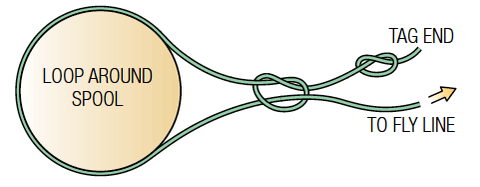
Make a loop around the spool with the loose end. This loop will form the base for your knot.
Securing The Line To Spool
Wrap the loose end around the main line two or three times. This helps the knot hold tight.
Pass the loose end back through the loop near the spool. Pull both ends slowly to tighten.
- Wrap line 2-3 times around the main line
- Thread loose end through the loop near spool
- Pull ends gently to tighten knot
Checking For Tightness
After tying, pull the line firmly to check if the knot holds. It should not slip or loosen.
If the knot feels loose, redo it to prevent line slippage while fishing.

Credit: n1outdoors.com
Spooling The Line
Spooling the line means putting fishing line onto your reel. It is an important step for good fishing.
Proper spooling helps avoid problems like line tangles and twists. It also makes casting easier.
Maintaining Tension
Keep the line tight while spooling. This stops loose loops that cause tangles.
You can hold the line with your fingers or use a cloth to keep it firm. Don’t let it go slack.
- Hold the line firmly between fingers
- Apply steady pressure during winding
- Avoid letting the line hang loose
Evenly Distributing The Line
Move the line back and forth on the reel as you spool. This helps spread the line evenly.
Even distribution prevents line clumps. It also helps the line come off smoothly during casting.
- Guide the line slowly across the spool
- Use your finger or a line guide tool
- Keep the line layers flat and neat
Avoiding Line Twist
Line twist happens when the line spins too much during spooling. It causes knots and weak spots.
Use the right method to stop the line from twisting. Let the line come off the spool naturally.
- Place the line spool so it spins the same way as the reel
- Check for twists by lifting the line and letting it hang
- Untwist the line by letting it spin freely before winding
Finishing Touches
After winding the fish line onto your reel, there are a few important steps to complete the setup. These finishing touches help your reel work smoothly and last longer.
Paying attention to details like trimming the line, testing the setup, and storing the reel properly will improve your fishing experience.
Trimming Excess Line
Trim the extra line left after spooling to avoid tangles. Use sharp scissors or line cutters for a clean cut. Leave a small tag end of about an inch for tying your lure or hook.
Testing The Setup
Check if the line is tight and evenly placed on the reel. Pull some line out and let it retract to ensure smooth operation. Test the drag system by applying pressure to the line.
- Pull the line gently to check tension.
- Turn the reel handle to see if the line winds evenly.
- Adjust the drag knob and test resistance.
- Look for any unusual noises or rough spots.
Storing The Reel Safely
| Storage Tip | Reason |
|---|---|
| Keep reel in a dry place | Prevents rust and corrosion |
| Loosen the drag before storage | Protects the drag system |
| Cover the reel with a cloth or case | Keeps dust and dirt away |
| Store reel away from direct sunlight | Prevents line damage and fading |
Frequently Asked Questions
How Do I Choose The Right Fishing Line?
Choosing the right fishing line depends on your fishing style and target species. Monofilament is versatile and affordable, while braided line is strong and sensitive. Fluorocarbon is nearly invisible underwater, ideal for clear water. Consider line strength, stretch, and water conditions to make the best choice for your reel.
What Tools Do I Need To Spool A Reel?
To spool a reel, you’ll need a fishing line, scissors, and a line spooler or pencil. A line spooler helps maintain tension and prevent tangles. Scissors are essential for trimming excess line. Ensure your reel and rod are compatible with the line type for smooth spooling.
How Do I Prevent Line Twists When Spooling?
To prevent line twists, ensure the line’s spool rotates in the same direction as your reel. Maintain consistent tension while spooling. Avoid overfilling the reel, as it can cause line tangles. Regularly check for twists during spooling and adjust accordingly to ensure a smooth fishing experience.
How Tight Should The Line Be On The Reel?
The line should be tight enough to avoid tangles but not overly tight. Maintain consistent tension during spooling to prevent loose loops. Avoid overfilling the reel to reduce tangling risks. Properly spooled line ensures smooth casting and retrieval, enhancing your overall fishing experience.
Conclusion
Putting fish line on a reel is easier than it seems. Take your time and follow each step carefully. Make sure the line is tight and even on the spool. Check for twists or knots before you start fishing. A well-spooled reel helps you cast better and catch more fish.
Practice a few times to get comfortable. Soon, this task will feel natural and quick. Enjoy your fishing trips with confidence and ease.