Are you tired of losing fish because your hook wasn’t tied properly? The way you tie your fishing line to the hook can make all the difference between a successful catch and a frustrating day on the water.
If you want to make sure your knot is strong, reliable, and easy to tie, you’re in the right place. This guide will show you simple, step-by-step methods that anyone can master quickly. Keep reading to learn the secrets that will improve your fishing skills and boost your confidence every time you cast your line.
Credit: medium.com
Choosing The Right Line And Hook
Choosing the right fishing line and hook is important for a good fishing experience. The right match helps catch fish easily.
Different fishing lines and hooks work best for different types of fish and water conditions. Learn how to pick the right ones.
Types Of Fishing Lines
Fishing lines come in different materials and strengths. Each type has good uses for different fishing needs.
- Monofilament:This line is stretchy and easy to handle. It works well for beginners.
- Fluorocarbon:This line is nearly invisible underwater. It is good for clear water fishing.
- Braid:This line is very strong and thin. It lets you feel bites better.
Selecting Hook Sizes
Hooks come in many sizes. Small hooks catch small fish, while big hooks catch big fish.
Pick a hook size that fits the fish you want. Too big or too small hooks may lose fish.
- Small hooks (size 10-16) for small fish like panfish
- Medium hooks (size 4-8) for bass and trout
- Large hooks (size 1/0-5/0) for big fish like catfish
Matching Line To Hook
The fishing line strength should match the hook size and fish type. This helps avoid line breaks.
Use lighter lines with small hooks for small fish. Stronger lines with big hooks help catch heavy fish.
| Hook Size | Recommended Line Strength (Pounds) |
|---|---|
| 10-16 (Small) | 2-6 lbs |
| 4-8 (Medium) | 6-12 lbs |
| 1/0-5/0 (Large) | 12-30 lbs |
Essential Tools For Knot Tying
Tying fishing line to a hook needs the right tools. These tools help make knots strong and neat.
Using proper tools saves time and makes fishing easier. Here are some must-have items for knot tying.
Needle Nose Pliers
Needle nose pliers have long, thin tips. They help hold small hooks and pull knots tight.
These pliers give a firm grip on slippery hooks. They also help pull fishing line through small eyelets.
Scissors Or Clippers
Scissors or clippers cut fishing line cleanly. A sharp cut prevents frayed ends that can weaken knots.
Choose scissors made for fishing lines. They work well on nylon, fluorocarbon, and braided lines.
Knot Tying Aids
Knot tying aids help make perfect loops and tighten knots. They are useful for beginners and experts.
These aids come in many forms. Some hold hooks steady, others help pull lines tight without slipping.
- Hook holders keep the hook still
- Line tensioners pull the line tight
- Loop makers shape perfect loops
Popular Knots For Fishing Hooks
Tying the fishing line to the hook is an important skill for anglers. Using the right knot ensures the hook stays secure.
There are many knots you can use. Some knots work better for certain lines and hooks. Here are four popular knots.
Improved Clinch Knot
The Improved Clinch Knot is simple and strong. It works well with light to medium fishing lines.
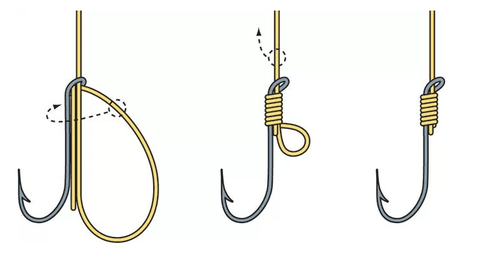
To tie this knot, pass the line through the hook eye and wrap it around five to seven times. Then pass the end through the small loop near the eye and back through the big loop. Pull tight and trim the excess line.
Palomar Knot
The Palomar Knot is strong and easy to tie. It works well with braided and monofilament lines.
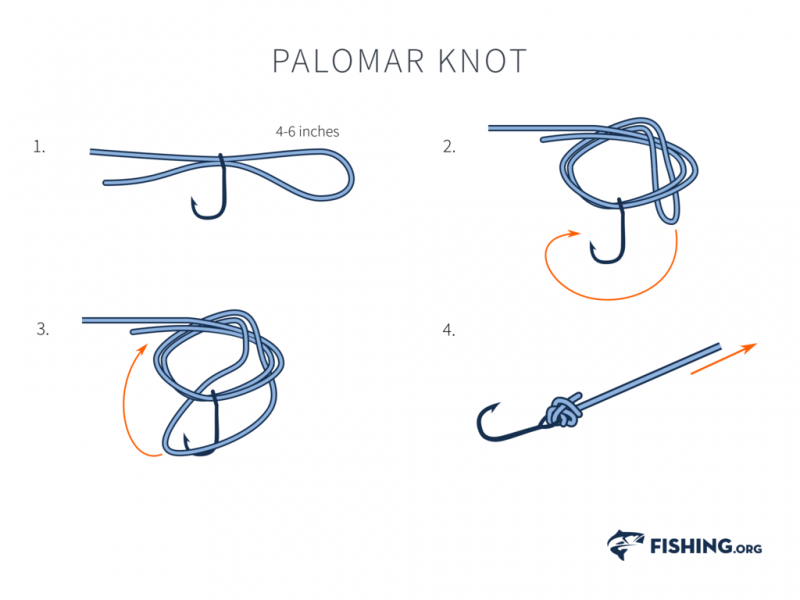
Double the line and pass the loop through the hook eye. Tie a simple overhand knot with the doubled line. Pass the hook through the loop and pull the knot tight. Trim the extra line.
Uni Knot
The Uni Knot is versatile and reliable. It works with many line types and hook sizes.
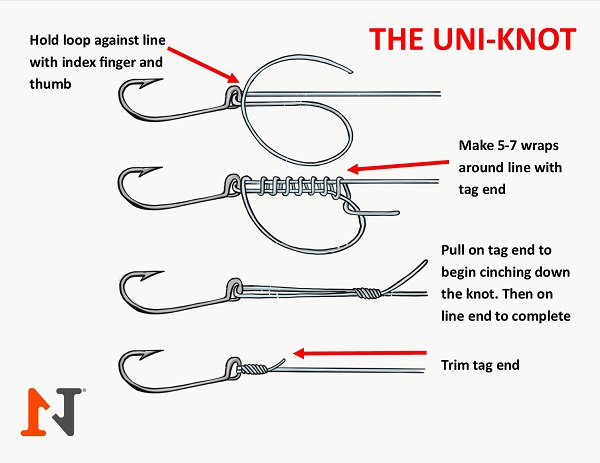
Pass the line through the hook eye and double back. Make six turns around the doubled line. Pass the tag end through the loop near the eye. Pull the knot tight and trim the excess.
Snell Knot
The Snell Knot is strong and keeps the hook aligned with the line. It is good for bait fishing.
Pass the line behind the hook shank and make several wraps around the shank and the line. Pass the tag end through the loop near the eye. Pull the knot tight and trim the extra line.

Credit: www.wikihow.com
Step-by-step Knot Tying Guide
Tying a fishing line to a hook is an important skill for anglers. A strong knot keeps the hook secure and helps catch fish. This guide shows how to tie the knot correctly.
Follow these simple steps to prepare your line and make a reliable knot. Each step is clear and easy to do.
Preparing The Line
Start by cutting the fishing line to the right length. Make sure the end is clean and not frayed. Wet the line slightly to reduce friction when tying.
Threading The Hook Eye
Pass the end of the fishing line through the eye of the hook. Pull enough line through to leave a tail about six inches long. This tail is needed to make the knot loops.
Making The Knot Loops
- Hold the hook and the line near the eye.
- Wrap the loose end of the line around the standing line five to seven times.
- Pass the loose end through the small loop next to the hook eye.
- Then pass the loose end through the large loop just created.
Tightening And Trimming
| Action | Description |
|---|---|
| Moisten the knot | Use water or saliva to wet the knot before tightening. |
| Pull tight | Hold the hook and pull the line firmly to secure the knot. |
| Trim the tag end | Cut the excess line close to the knot, leaving a small tail. |
Tips For Strong And Reliable Knots
Tying a fishing line to a hook is important for a good catch. Strong knots keep the hook secure and prevent losing fish.
Using simple tips can make your knots last longer and hold better. This helps you fish with more confidence and less trouble.
Wet The Line Before Tightening
Before pulling the knot tight, wet the fishing line with water or saliva. This reduces friction and heat.
Wetting helps the knot slide smoothly and prevents the line from weakening or breaking.
- Use clean water or saliva
- Wet the line evenly around the knot
- Tighten the knot slowly and firmly
Check Knot Strength
After tying, pull the line hard to test the knot. Make sure it does not slip or come loose.
If the knot feels weak or slips, retie it or try a different knot type to improve strength.
- Pull firmly but gently
- Look for any slipping or loosening
- Retie if the knot is weak
Practice For Consistency
Practice tying knots often to make your skills better. Consistent knots hold well every time.
Try tying different knots and compare their strength. Practice helps you tie knots quickly and right.
- Practice with different line types and hooks
- Repeat knots until you tie them fast and strong
- Use practice to avoid mistakes when fishing
Common Mistakes To Avoid
Tying fishing line to a hook is a basic skill for any angler. Mistakes can cost you fish and cause line breaks. Knowing what to avoid helps you fish better.
Below are common errors that anglers make when tying their line. Fixing these will improve your fishing experience.
Overtightening The Knot
Pulling the knot too tight can weaken the line. This can cause the line to break or the knot to slip. Tighten the knot firmly but gently.
- Do not yank the line hard after tying.
- Use steady pressure to close the knot.
- Wet the line before tightening to reduce friction.
- Check the knot for slippage before casting.
Using Damaged Line
Old or damaged line breaks easily. Make sure your line is strong and free from cuts or frays before tying the knot. Replace the line if needed.
| Type of Damage | Effect on Line |
| Fraying | Reduces strength, breaks easily |
| Sun Damage | Becomes brittle and weak |
| Kinks | Causes weak spots |
| Old Line | Loses elasticity and strength |
Incorrect Knot Choice
Not all knots work well with every line or hook type. Using the wrong knot may cause slippage or weak hold. Choose a knot that fits your fishing setup.
Common good knots include:
- Improved Clinch Knot
- Palomar Knot
- Loop Knot
- Uni Knot
Match your knot to the line material and hook size for best results.
Maintaining Knots While Fishing
Keeping your fishing knots strong is key for a good catch. Knots can weaken over time and with use.
Checking and fixing knots often helps avoid lost fish and broken lines.
Regular Knot Inspections
Look at your knots before and during fishing. Check for frays, slips, or loose ends.
- Run your fingers over the knot to feel for weaknesses.
- Look for any line damage near the knot.
- Tighten knots if they feel loose.
- Replace knots that show wear or damage.
Retying After Snags
Snags can harm your fishing line and knots. Always check knots after a snag.
Cut off the damaged part and retie your hook with a fresh section of line.
Replacing Old Lines
Old fishing lines lose strength and stretch. Replace your lines regularly to keep knots secure.
| Sign of Old Line | Action to Take |
| Discoloration or fading | Replace the line immediately |
| Frequent knot slips | Retie or replace the line |
| Visible frays or cracks | Cut out damage and retie |
| Line feels stiff or brittle | Change the entire line |
Credit: n1outdoors.com
Frequently Asked Questions
What Is The Best Knot For Tying A Hook?
The Palomar knot is widely considered the best for tying a hook. It’s strong and simple to tie. This knot is ideal for both beginners and experienced anglers. It minimizes line weakening and ensures a firm hold. Practice makes perfect, so try it a few times for mastery.
How Do I Tie A Fishing Line To A Hook?
To tie a line to a hook, use the Palomar knot. First, double the line and pass it through the hook’s eye. Tie an overhand knot, then loop the hook through the line. Finally, pull tight and trim the excess.
Ensure the knot is secure before casting.
Why Does My Fishing Line Keep Breaking?
Your line may break due to improper knots or weak line. Ensure you tie strong knots like the Palomar. Check your line for wear or damage before use. Using the right line strength for your target fish is crucial. Regularly inspect and maintain your equipment to prevent breaks.
Can I Use Any Fishing Line For Any Hook?
Not all lines suit every hook. Choose a line based on your fishing conditions and target fish. Heavier lines work well for larger fish, while lighter lines suit smaller ones. Match the line strength with the hook size for optimal performance.
Always consider the environment and fishing technique.
Conclusion
Tying a fishing line to a hook is simple with practice. Choose the right knot for your fishing style. Make sure the knot is tight and neat. A well-tied knot keeps the hook secure and strong. This helps you catch more fish without losing your bait.
Keep practicing until the process feels easy. Soon, tying your line will become a quick, natural step. Enjoy your fishing trips with confidence and success.