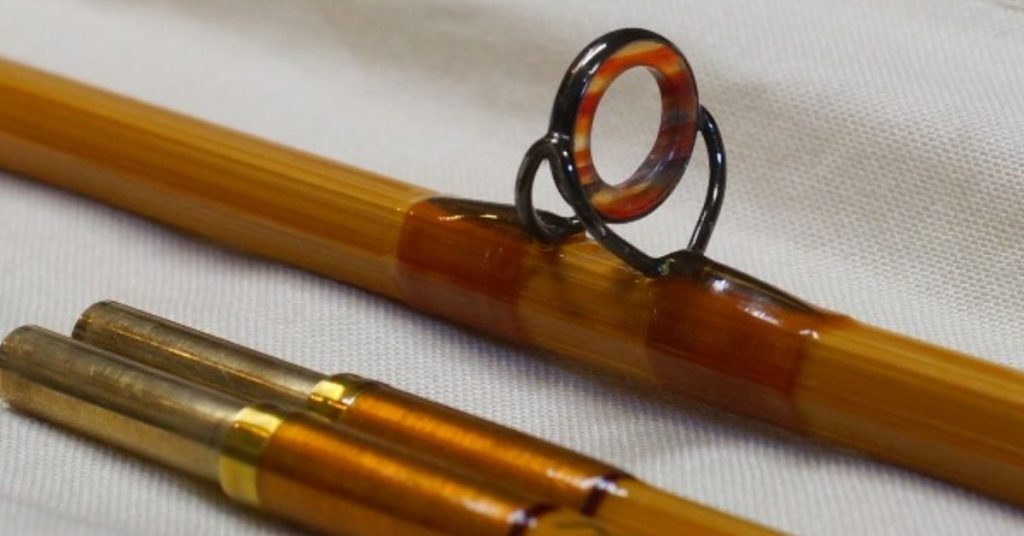
Have you ever wondered what goes into making the fishing rod you hold in your hands? Understanding how a fishing rod is made can give you a new appreciation for every cast you take.
From the choice of materials to the careful assembly, each step plays a key role in creating a tool that’s strong, flexible, and perfect for your fishing adventures. Keep reading, and you’ll discover the secrets behind your fishing rod’s design—and why it matters for your next catch.
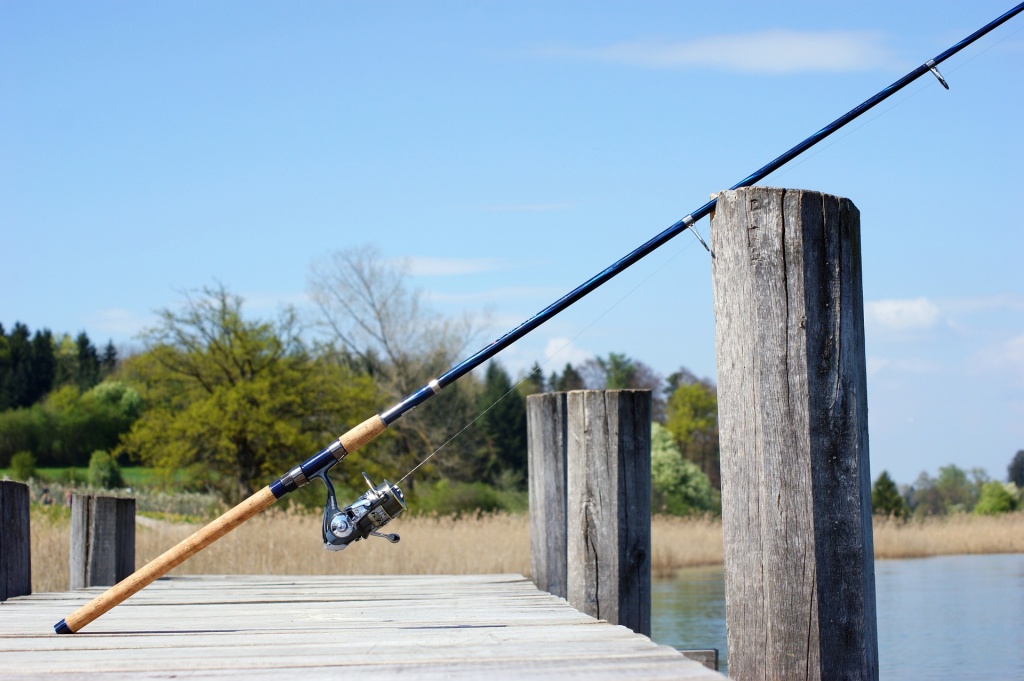
Credit: petroleumservicecompany.com
Materials Used In Fishing Rods
Fishing rods need strong materials to work well. The right materials make the rod light and tough.
Each part of a fishing rod uses different materials. These parts include the rod blank, guides, handle, and reel seat.
Types Of Rod Blanks
Rod blanks are the main body of the rod. They must be flexible but strong.
- Graphite: Very light and sensitive.
- Fiberglass: Strong and flexible, but heavier.
- Composite: Mix of graphite and fiberglass for balance.
Guides And Tips
Guides and tips help the fishing line move smoothly. They need to resist wear and tear.
| Material | Benefit |
| Stainless Steel | Strong and rust-resistant |
| Ceramic | Reduces line friction |
| Aluminum Oxide | Durable and lightweight |
Handles And Grips
Handles give comfort and control. Materials vary for feel and durability.
- Cork: Lightweight and comfortable.
- EVA Foam: Soft and durable.
- Rubber: Provides a firm grip, even when wet.
Reel Seats
Reel seats hold the reel in place. They must be strong and corrosion-proof.
| Material | Feature |
| Graphite | Lightweight and corrosion resistant |
| Aluminum | Strong but heavier, may corrode |
| Stainless Steel | Very strong and rust resistant |
Designing The Rod
Designing a fishing rod is an important part of making it work well. The design affects how the rod feels and performs in water.
This stage includes choosing the rod’s length, action, power, flexibility, and guide placement. Each choice shapes the rod’s use and strength.
Choosing The Rod Length And Action
The length of the rod affects casting distance and control. Short rods give more control, while long rods cast farther.
Action means how much the rod bends when pressure is applied. Fast action rods bend near the tip. Slow action rods bend along the whole length.
Selecting The Power And Flexibility
Power shows how strong the rod is. It can be light, medium, or heavy. The power must match the type of fish you want to catch.
- Light power rods suit small fish and light lures.
- Medium power rods work well for average-sized fish.
- Heavy power rods handle big fish and heavy baits.
Flexibility helps absorb the fish’s pull. More flexible rods are easier on the line and reduce breakage.
Planning The Guide Placement
Guides are the rings along the rod. They hold the fishing line and help control it during casting and reeling.
| Guide Location | Purpose | Effect on Rod |
| Tip Guide | Directs line at the rod’s end | Improves casting accuracy |
| Middle Guides | Support the line along the rod | Distribute stress evenly |
| Butt Guide | Near the handle, supports heavy loads | Increases rod strength |
Shaping The Rod Blank
The rod blank is the main part of a fishing rod. It is shaped carefully to make it strong and flexible.
This process includes cutting, sanding, and adding reinforcements to the blank. Each step is important.
Cutting And Tapering
The rod blank starts as a long, thick tube of material like graphite or fiberglass. It is cut to the right length.
Tapering means making the blank thinner towards the tip. This helps the rod bend smoothly and cast well.
- Cut the blank to the desired length
- Use machines to shape the taper gradually
- Check the taper for even bending
Sanding And Smoothing
After cutting and tapering, the blank is rough and needs smoothing. Sanding removes rough spots and sharp edges.
Workers use fine sandpaper or special machines to make the surface smooth. This helps with painting and finishing later.
- Start with coarse sandpaper for rough areas
- Use finer sandpaper to smooth the surface
- Inspect the blank for any imperfections
Applying Reinforcements
Some parts of the blank need extra strength. Reinforcements help prevent cracks and breaks.
Thin strips of material or special wraps are added at weak points. These make the rod last longer and handle tension.
- Apply wraps around the handle and guide areas
- Use epoxy or resin to hold reinforcements in place
- Let the blank dry completely before use
Attaching The Guides
Attaching the guides is an important step in making a fishing rod. The guides help control the fishing line.
This process includes aligning, wrapping, and securing the guides firmly on the rod.
Aligning The Guides
First, place the guides along the rod blank. Make sure they line up in a straight path from the handle to the tip.
The guides should be spaced evenly, with smaller guides near the tip and larger ones near the handle.
Wrapping The Guides
Wrap thread tightly around the foot of each guide to hold it in place. Use a smooth, consistent wrap to avoid gaps.
- Start wrapping at one end of the guide foot
- Keep the thread tight and even
- Cover the entire foot without overlapping too much
- Finish with a secure knot
Securing With Epoxy
Apply epoxy resin over the wrapped thread to protect it and hold the guide firmly. Spread the epoxy evenly.
| Epoxy Type | Dry Time | Strength |
| Slow Cure | 6-8 hours | High |
| Fast Cure | 1-2 hours | Moderate |
| UV Cure | Few minutes | High |
Installing The Handle And Reel Seat
The handle and reel seat are key parts of a fishing rod. They give you a good grip and hold the reel firmly. Installing these parts correctly helps make the rod strong and easy to use.
This process involves shaping the handle, fitting the reel seat, and then gluing and finishing them. Each step must be done carefully to make a quality fishing rod.
Shaping The Handle
The handle usually starts as a blank piece of cork or foam. It needs to be shaped to fit the hand comfortably. Tools like sandpaper and knives are used to make it smooth and round.
The shape depends on the type of fishing and personal preference. A well-shaped handle helps reduce hand fatigue during long fishing trips.
Fitting The Reel Seat
The reel seat holds the fishing reel in place. It must fit tightly on the rod blank and align correctly with the handle. The seat is usually made of metal or strong plastic.
Before gluing, the reel seat is slid onto the rod and adjusted. Proper fitting ensures the reel will not move during use.
Gluing And Finishing
After fitting, glue is applied to secure the handle and reel seat. Epoxy or strong adhesive is used for durability. The parts are then pressed firmly and left to dry.
Once dry, the handle and reel seat are sanded again to remove rough spots. A finish coat may be added to protect the handle from water and wear.

Credit: www.youtube.com
Final Coating And Curing
The final coating and curing are important to make a fishing rod strong and smooth. This process protects the rod from water and damage. It also gives the rod a nice shine.
Careful coating and curing help the fishing rod last longer and perform better. This part is done after the rod is shaped and assembled.
Applying Finish Layers
Finish layers are applied to protect the rod and improve its look. Usually, clear resin or varnish is used. These layers cover the entire rod evenly.
Each layer must be thin and smooth. Sometimes, multiple layers are added for better protection. The finish also helps prevent scratches and cracks.
- Clean the rod surface before applying
- Use a brush or spray for even coating
- Apply thin layers one at a time
- Let each layer dry before adding the next
Drying And Curing Process
After the finish layers are applied, the rod must dry and cure. Drying removes moisture from the coating. Curing makes the finish hard and strong.
This process takes time and a controlled environment. The rod is placed in a warm, dust-free area. Sometimes, special lamps speed up curing.
- Place rod in a clean, warm room
- Avoid dust and dirt during drying
- Use UV light or heat if needed
- Wait for complete hardening before use
Quality Checks
After curing, the rod goes through quality checks. Inspectors look for smoothness and even coating. They check for bubbles or cracks in the finish.
They also test the rod’s strength and flexibility. If the rod passes all checks, it is ready for packaging. Poor quality rods get recoated or fixed.
- Check coating for smooth and even finish
- Look for any defects like bubbles or cracks
- Test rod strength and flexibility
- Fix or recoat if problems are found
Testing And Adjustments
After making a fishing rod, testing ensures it works well. Adjustments fix small problems for better fishing.
Testing focuses on how the rod bends, if the guides are straight, and how balanced the rod feels in your hand.
Flexibility Testing
The rod’s flexibility affects casting and catching fish. Makers bend the rod to see how it reacts under pressure.
They look for smooth bends without cracks or weak spots. This test shows if the rod is strong and flexible enough.
Guide Alignment Check
Guides must be straight for the fishing line to move freely. Misaligned guides can cause tangles and poor casting.
- Inspect each guide from the handle to the tip.
- Use a straight edge or laser to check alignment.
- Adjust guides by bending the frames slightly if needed.
- Tighten all guide wraps to keep them stable.
Balance And Weight Assessment
Balance affects comfort and control during fishing. A well-balanced rod feels light and steady in your hand.
| Test | Purpose | Outcome |
|---|---|---|
| Handle Grip | Check comfort and size | Adjust grip thickness or shape |
| Rod Weight | Measure total weight | Use lighter materials if too heavy |
| Balance Point | Find where rod balances on finger | Shift components to improve balance |
Credit: www.youtube.com
Frequently Asked Questions
What Materials Are Used In Fishing Rods?
Fishing rods are commonly made from fiberglass, graphite, or carbon fiber. Fiberglass rods are durable and flexible. Graphite rods are lightweight and sensitive, ideal for precise casting. Carbon fiber rods offer strength and a lightweight feel. Each material caters to different fishing styles and preferences.
How Is A Fishing Rod Blank Made?
A fishing rod blank is made by wrapping sheets of fiberglass or graphite around a mandrel. The material is heated to form a tube. After cooling, the blank is sanded and coated. The process ensures the rod’s strength, flexibility, and sensitivity, tailored to specific fishing needs.
Why Are Fishing Rods Tapered?
Fishing rods are tapered to enhance casting distance and control. The tapering design allows for smooth energy transfer along the rod. This results in better casting accuracy and improved sensitivity. Tapered rods offer increased strength at the butt and flexibility at the tip, optimizing performance.
How Are Fishing Rod Guides Attached?
Fishing rod guides are attached by wrapping them with thread around the rod blank. They are then coated with epoxy resin for durability. Guides are strategically placed to ensure even line distribution. This alignment reduces friction, enhances casting distance, and provides better control during reeling.
Conclusion
Crafting a fishing rod takes skill and care at every step. Each part, from the blank to the guides, plays a key role. This process ensures the rod is strong and flexible. A well-made rod helps anglers catch fish with ease.
Understanding how rods are made can boost your fishing experience. Next time you hold a rod, think about the work behind it. Fishing becomes more fun with the right tools in hand.