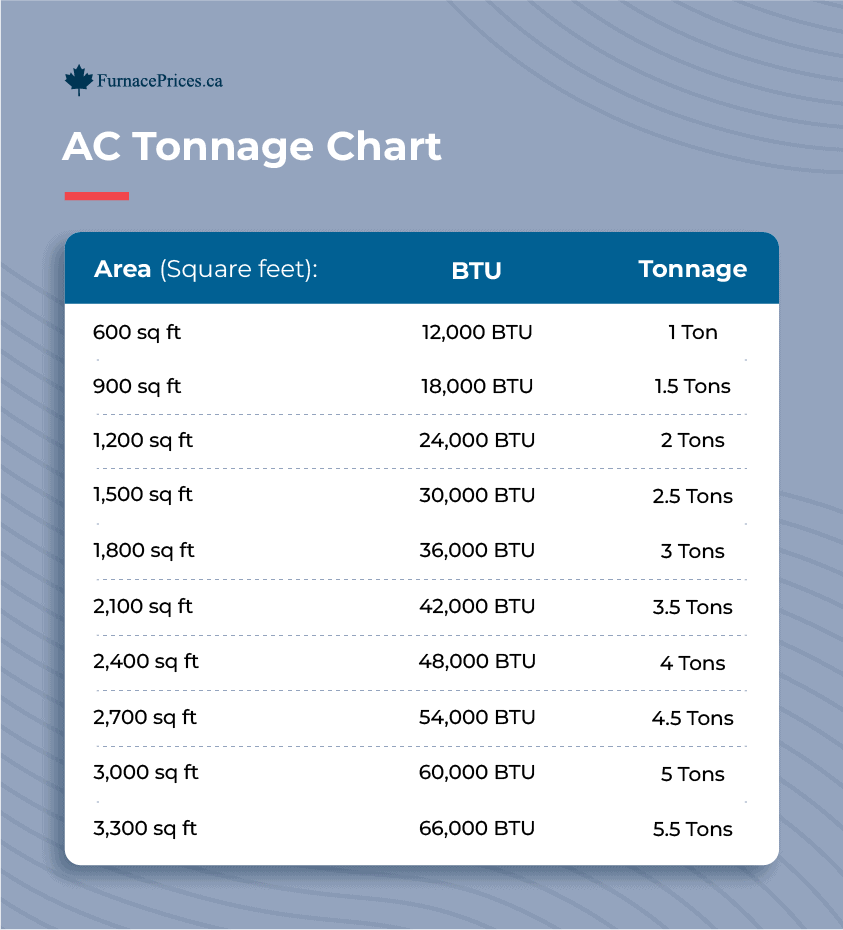
Choosing the right air conditioner size for your 1500 sq ft house can make a huge difference in comfort and energy bills. If your AC is too small, your home won’t cool properly.
If it’s too big, you’ll waste money and face other problems. You want to get it just right. You’ll discover exactly how to find the perfect air conditioner size that fits your home’s needs. By the end, you’ll feel confident making the best choice for your comfort and budget.
Keep reading—you’re closer than ever to a cooler, more comfortable home.
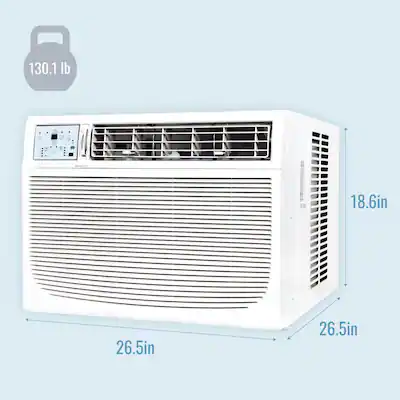
Credit: www.bestbuy.com
Factors Affecting Ac Size
The climateof your area affects the size of your air conditioner. Hotter places need larger AC unitsto cool well. Cooler places may need smaller units.
House insulationplays a key role. Good insulation keeps cool air inside. This means you can use a smaller AC. Poor insulation lets cool air escape, needing a bigger unit.
Window typesmatter too. Windows that block heat reduce the cooling load. Single-pane windows let heat in, so the AC must work harder.
Ceiling heightchanges the air volume in your house. Higher ceilings need more cooling power. Lower ceilings need less.
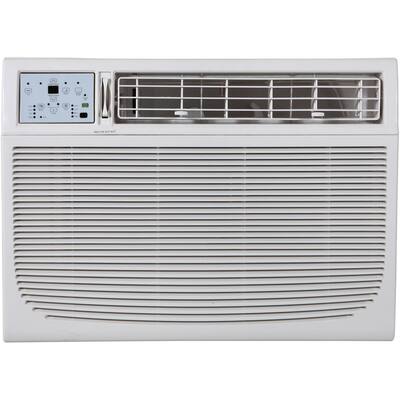
Credit: www.bestbuy.com
Calculating Cooling Capacity
The BTU (British Thermal Unit)measures how much heat an air conditioner can remove. For a 1500 sq ft house, the basic rule is 20 BTU per square foot. So, multiply 1500 by 20 to get 30,000 BTU. This is the starting point for cooling capacity.
Adjustments are needed for the number of people inside. Each extra person adds about 600 BTU. For example, if 4 people live in the house, add 1,800 BTU(3 extra people × 600 BTU).
Appliances and electronics also add heat. Add about 4,000 to 5,000 BTUfor a kitchen and other devices. This helps to keep the house cool all day.
Common Ac Sizes For 1500 Sq Ft
A 1500 sq ft houseusually needs an air conditioner sized between 18,000 to 24,000 BTU. Small to medium units fit well in this range. They cool efficiently without wasting energy.
High-efficiency modelsuse less electricity and cool better. They may cost more upfront but save money over time. Look for a high SEER rating for best performance.
| Type | Benefits | Considerations |
|---|---|---|
| Split AC | Quieter, easier to install in parts of the house | Needs professional installation, indoor and outdoor units |
| Central Air | Cools whole house evenly, good for larger spaces | Higher installation cost, requires ductwork |
Energy Efficiency And Cost
SEER ratingsmeasure how well an air conditioner uses energy. Higher SEER means better energy efficiency. Units with SEER 14 or above save more on electricity bills.
Operating costs depend on the AC size and usage hours. A properly sized unit for a 1500 sq ft house runs more efficiently and costs less to operate.
- Set thermostat to 78°F when home for comfort and savings.
- Use fans to help circulate air and reduce cooling load.
- Keep windows and doors closed while AC runs.
- Seal leaks and insulate to keep cool air inside.
- Regularly clean filters to keep system running smoothly.
Installation Considerations
Professional installationensures the air conditioner works well and lasts longer. Experts know how to size the unit correctly and place it for best cooling. DIY installationmight save money but risks errors that reduce efficiency and cause damage.
Ductworkmust fit the system size and house layout. Poor ducts waste energy and lower comfort. Check ducts for leaks, proper size, and good insulation to keep air flowing well.
- Clean filters every 1-3 months for good airflow.
- Check coils and fins yearly to avoid dirt build-up.
- Keep outdoor unit clear of debris and plants.
- Schedule regular professional tune-ups to catch problems early.
Signs Of Incorrect Ac Size
Overcooling issueshappen when the AC is too big for the house. Rooms feel too cold quickly. The system stops often, wasting energy and money. This can cause uneven cooling in different rooms.
Humidity problemsoccur when the AC size is wrong. A large unit cools fast but does not remove enough moisture. This leaves the air feeling damp and uncomfortable.
Frequent cyclingmeans the AC turns on and off many times in a short period. This stresses the system and reduces its life. It also raises electricity bills and causes poor comfort.

Credit: thefurnaceoutlet.com
Frequently Asked Questions
What Btu Rating Is Needed For 1500 Sq Ft?
For a 1500 sq ft house, you typically need a 30,000 BTU air conditioner. This ensures efficient cooling. Factors like insulation and climate can affect this estimate. It’s essential to consider these for optimal performance. Consulting with an HVAC professional is also recommended.
How Do I Calculate Ac Size For My Home?
To calculate AC size, multiply the square footage by 20. This gives a rough BTU estimate. For a 1500 sq ft home, this suggests a 30,000 BTU unit. Consider factors like local climate and home insulation. These can impact your final decision.
Is A 2.5-ton Ac Enough For 1500 Sq Ft?
Yes, a 2. 5-ton AC is generally suitable for a 1500 sq ft house. It provides adequate cooling for this size. However, consider the home’s layout and insulation. These factors can affect the effectiveness of the unit. Consulting an HVAC expert is advisable.
Does Climate Affect Ac Size Requirements?
Yes, climate significantly affects AC size requirements. Hotter climates may need larger units for efficient cooling. Cooler areas might require less power. Always consider your local climate when choosing an air conditioner. This ensures optimal comfort and efficiency in your home.
Conclusion
Choosing the right air conditioner size helps keep your home cool and saves energy. A 1500 sq ft house usually needs a unit between 18,000 and 24,000 BTUs. Too small or too large units cause problems and higher bills. Think about your home’s layout and insulation too.
A good fit means comfort all summer long. Take time to measure and plan before buying. Comfort and savings go hand in hand with the right AC size.