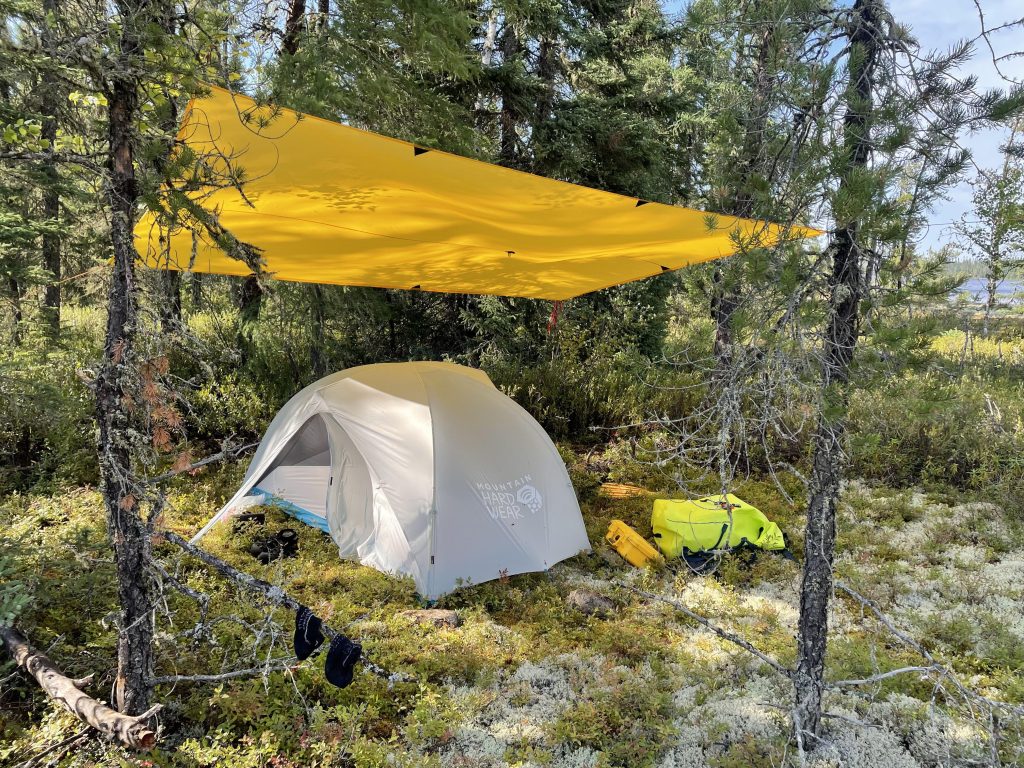
You’ve set up your tent, but the weather forecast isn’t looking great. You need to protect your shelter from rain or strong sun, but there’s one big problem—no trees nearby to tie your tarp to.
Don’t worry, you’re not stuck without options. In this guide, you’ll learn simple, practical ways to put a tarp over your tent without relying on trees. By the end, you’ll feel confident to keep your tent dry and comfortable no matter where you camp.
Ready to discover easy tarp setups that work anywhere? Let’s dive in.

Credit: www.youtube.com
Choosing The Right Tarp
Putting a tarp over a tent without trees needs careful planning. Choosing the right tarp helps protect you from rain and sun.
This guide covers material, size, waterproof features, and UV protection. These factors make your tarp effective and durable.
Material And Size Options
Tarp materials affect weight, strength, and water resistance. Sizes depend on your tent and setup space.
- Polyethylene: Lightweight and affordable, good for short trips.
- Canvas: Heavy but strong and breathable, ideal for long use.
- Nylon or Polyester: Light and strong, often with waterproof coating.
- Vinyl: Very durable and waterproof, but heavier.
| Material | Weight | Durability | Water Resistance |
| Polyethylene | Light | Medium | Good |
| Canvas | Heavy | High | Moderate |
| Nylon/Polyester | Light | High | Excellent |
| Vinyl | Heavy | Very High | Excellent |
Pick a tarp at least two feet larger than your tent. This extra size covers sides and ground well.
Waterproof And Uv Protection
Good waterproofing stops rain from soaking your tent. UV protection slows tarp damage from sun rays.
- Look for tarps with a waterproof rating or coating like PU or silicone.
- Check if the tarp has UV-resistant materials or treatments.
- Waterproof tarps keep you dry even in heavy rain.
- UV protection helps the tarp last longer outdoors.
Tip:A tarp with both waterproof and UV protection works best for all weather conditions.
Essential Tools And Supplies
Putting a tarp over a tent without trees needs the right tools. These tools help hold the tarp in place securely.
Using strong and reliable supplies makes your tarp setup safe and easy. Below are the key items you will need.
Ropes And Bungee Cords
Ropes are important to tie the tarp tightly. Choose ropes that do not stretch too much but are strong.
Bungee cords add flexibility. They help keep the tarp tight and absorb wind movements without breaking.
- Use nylon or polyester ropes for strength
- Bungee cords should have hooks for easy attachment
- Check ropes and cords for wear before use
Tent Stakes And Poles
Tent stakes anchor the tarp to the ground. Strong stakes hold well in different soil types.
Poles create support to lift the tarp above the tent. Use adjustable poles for the right height.
- Choose metal or heavy-duty plastic stakes
- Use poles that are tall enough for good coverage
- Check that poles are sturdy and not bent
Carabiners And Clips
Carabiners connect ropes, tarp loops, and poles easily. They allow quick setup and adjustment.
Clips hold tarp edges firmly. Use clips that grip without damaging the tarp material.
- Pick carabiners with a secure locking mechanism
- Use clips designed for outdoor fabric
- Test clips before use to ensure they hold well
Setting Up A Freestanding Frame
Putting a tarp over a tent without trees means you need a freestanding frame. This frame holds the tarp up and protects you from rain and sun. You can make a frame using different materials that are easy to find.
A good freestanding frame is stable and tall enough to cover the tent fully. You can use tent poles, PVC pipes, or wood to build your frame. Each option has its own way to create a strong structure.
Using Tent Poles As Support
Tent poles are light and easy to handle. You can use them to build a simple frame by standing them up around your tent. Tie the tarp to the poles to keep it tight and secure.
Make sure the poles are tall enough to cover your tent. Use ropes or bungee cords to connect the poles at the top. This will keep the frame steady and prevent it from falling.
- Place poles around the tent edges
- Connect poles with rope or cord at the top
- Tie tarp corners to each pole securely
- Adjust tension to avoid sagging
Building A Pvc Pipe Frame
PVC pipes are cheap and easy to cut. Use PVC to create a frame that fits your tent size. Connect pipes with elbow and T-joints to form a rectangle or square.
Make sure your frame stands firm by adding extra supports at the corners. You can insert rebar or stakes into the ground to hold the PVC pipes in place.
- Cut PVC pipes to desired lengths
- Use elbow and T-joints to connect pipes
- Add vertical supports at corners
- Secure frame with stakes or rebar
- Drape tarp over the frame and tie down
Creating A Wooden Frame
Wood makes a strong frame but is heavier to carry. Use 2×2 or 2×4 wooden boards to build a rectangular frame. Nail or screw the boards together for extra strength.
Place the frame over the tent and tie the tarp to the wooden frame. You can add extra braces inside the frame to keep it stable in wind.
- Cut wood to frame size
- Join boards with nails or screws
- Add braces for support
- Place frame over tent
- Secure tarp to the frame with cords
Securing The Tarp
Covering your tent with a tarp keeps it safe from rain and wind. Without trees, you need other ways to hold the tarp tight. This guide shows how to secure the tarp well.
Strong knots, solid attachments, and good ground anchors help keep the tarp stable. Each step adds to the shelter’s strength.
Tying Knots For Stability
Use knots that hold tight and do not slip. Practice tying before you start. The right knot keeps tension on the tarp and stops it from sagging.
- Use a bowline knot to create a fixed loop that will not tighten.
- Try a taut-line hitch to make adjustable tension.
- Square knots work well to join two ropes together.
- Double half hitches secure the rope to a post or frame.
Attaching The Tarp To The Frame
Find points on the tent frame to tie the tarp. Use ropes or bungee cords for flexibility. Make sure the tarp covers the tent fully.
| Attachment Method | Materials Needed | Tips |
|---|---|---|
| Rope Ties | Rope, tarp grommets | Use strong knots and tie tightly. |
| Bungee Cords | Bungee cords with hooks | Provides stretch and easy release. |
| Clips or Clamps | Heavy-duty tarp clips | Attach to tarp edge and frame poles. |
Anchoring To The Ground
Secure the tarp at the base to stop it from moving. Use stakes or heavy objects to hold ropes tight. Check anchors often during windy weather.
- Drive stakes at an angle away from the tarp.
- Tie ropes from tarp corners to the stakes.
- Use rocks or logs if stakes are not available.
- Adjust tension to keep the tarp tight.
Alternative Support Methods
Sometimes you need to put a tarp over your tent without trees nearby. You can use other objects or tools to hold up the tarp. This guide shows simple ways to support your tarp without trees.
These methods help keep your tarp stable and dry your tent. They use things you may have or find around you.
Using Hiking Poles
Hiking poles are great for holding up a tarp. You can use one or two poles to create a frame. Adjust the poles to the right height and angle.
Attach the tarp corners or edges to the poles with rope or bungee cords. This keeps the tarp lifted and lets rain or wind pass under.
- Set poles where tarp needs support
- Tie tarp corners tightly to poles
- Make sure poles stand firm on the ground
Stacking Rocks For Weight
If you cannot drive stakes, use rocks to hold the tarp down. Find flat, heavy rocks and stack them on the tarp edges or ropes. The weight stops the tarp from blowing away.
Make sure the rocks are stable and won’t slip. You can also use rocks to create a small wall to keep the tarp in place on one side.
- Choose flat rocks for stable weight
- Stack rocks carefully to avoid falling
- Use enough rocks to keep tarp tight
Improvised Supports From Nearby Objects
Look around for objects like sticks, branches, or poles. These can work as supports for your tarp. Place them upright or lean them against something strong.
Use rope or cord to tie tarp corners to these objects. This setup can create a simple shelter when trees are not available.
- Find straight, sturdy sticks or poles
- Position supports where tarp needs lifting
- Secure tarp tightly with rope or cord
- Check stability before bad weather
Tips For Wind And Rain Protection
Using a tarp over a tent can protect you from rain and wind. Without trees, you need to be creative with setup. Proper adjustments help keep the tarp steady and dry.
Focus on the angle, tension, and support points to improve protection. This guide covers important tips for setting up your tarp well.
Angle And Tension Adjustments
Set the tarp at a sharp angle to let rain run off quickly. Tighten the tarp to avoid flapping in strong wind. Loose tarps catch wind and may tear or collapse.
- Find the highest point for the tarp’s peak to allow water to flow down.
- Pull the tarp edges tight using ropes or bungee cords.
- Check tension regularly and adjust if the tarp loosens.
Creating Overhangs
Overhangs protect the tent entrance and keep rain from dripping inside. Extend the tarp beyond the tent walls by several feet. This extra coverage blocks wind-driven rain.
- Leave at least 2 feet of tarp extending past the tent.
- Angle the overhang downward to guide water away.
- Use clips or weights to keep the overhang steady.
Adding Guy Lines
Guy lines add extra support and stability to your tarp. Attach them to the tarp’s corners or reinforced points. Use stakes or heavy objects to anchor the lines firmly.
| Guy Line Tip | Benefit |
|---|---|
| Use strong ropes or cords | Prevents snapping in wind |
| Angle lines away from tent | Improves tarp tension |
| Check knots regularly | Keeps tarp secure |
| Use multiple guy lines | Enhances overall stability |
Maintenance And Safety
Putting a tarp over a tent without trees needs careful attention to safety and upkeep. You must keep your tarp and tent in good condition. This helps protect you from weather and prevents damage.
Proper maintenance and safe setup reduce risks. Follow these tips to keep your campsite safe and your gear lasting longer.
Checking For Wear And Tear
Before setting up, always check your tarp and tent. Look for holes, rips, or weak spots. These can let water or wind in and cause bigger problems later.
- Inspect all corners and edges for damage.
- Check seams for loose threads or gaps.
- Look for mold or mildew, especially if gear was stored wet.
- Test zippers and fasteners to make sure they work well.
Safe Setup Practices
Without trees, you need other ways to secure your tarp safely. Use poles, stakes, or ropes tied to heavy objects. Avoid sharp edges that can tear the tarp.
| Safety Tip | Reason |
| Use sturdy poles or frames | Keep tarp stable in wind |
| Anchor tarp firmly with stakes | Prevent tarp from blowing away |
| Avoid tight knots | Reduce risk of rope snapping |
| Keep tarp edges away from fire | Prevent melting or burning |
Storage And Care
After use, dry your tarp and tent completely before storing. This stops mold and bad smells. Fold them neatly and store in a dry place away from sunlight.
- Shake off dirt and debris before packing.
- Air dry in a shaded spot to avoid sun damage.
- Store in a breathable bag or container.
- Check gear regularly, even in storage.

Credit: bushcraftuk.com

Credit: www.reddit.com
Frequently Asked Questions
How To Secure A Tarp Without Trees?
To secure a tarp without trees, use sturdy poles or stakes. Anchor the tarp’s corners with ropes and ground pegs. Ensure it’s tight to prevent flapping. Consider using adjustable poles for height control. Always check for any sharp objects that could damage the tarp.
What Materials Are Needed To Tarp A Tent?
You’ll need a quality tarp, adjustable poles, ropes, and ground stakes. Ensure your tarp is waterproof and durable. A mallet can help secure stakes firmly. Carry extra ropes for additional stability. Always choose materials that are lightweight and easy to carry.
Can I Use A Tarp As A Tent Rainfly?
Yes, a tarp can serve as a rainfly. Ensure it’s waterproof and covers the tent entirely. Secure it with ropes and stakes to prevent water pooling. A correctly positioned tarp directs rain away from your tent. Always check weather conditions to ensure maximum protection.
Why Use A Tarp Over A Tent?
Using a tarp provides additional protection against rain and sun. It enhances the tent’s durability and prevents leaks. A tarp also offers shade, keeping the tent cooler. It acts as a barrier against falling debris. This setup can improve overall camping comfort.
Conclusion
Putting a tarp over a tent without trees is simple with the right tools. Use poles, stakes, and ropes to create a sturdy shelter. Keep the tarp tight to avoid water pooling. This method protects you from rain and sun.
Practice setting it up before your trip. You will feel more confident and ready. Shelter matters for a good outdoor experience. Try these steps and enjoy your camping adventure.