Are you ready to reel in your next big catch but worried your fishing line might let you down? Putting new fishing line on your reel is easier than you think, and doing it right can make all the difference on the water.
Whether you’re a beginner or just need a quick refresher, this guide will walk you through each step clearly and simply. By the end, you’ll have your reel set up perfectly, giving you confidence and a smoother fishing experience every time.
Let’s dive in and get your gear ready to catch more fish!
Choosing The Right Fishing Line
Picking the right fishing line is important for a good fishing experience. The line affects how you cast, catch fish, and handle the reel.
This guide will help you understand different types of fishing line, how to select the right strength, and what materials to consider.
Types Of Fishing Line
There are three main types of fishing line. Each has its strengths and is good for certain fishing styles.
- Monofilament:Stretchy and easy to handle. Good for beginners.
- Fluorocarbon:Nearly invisible underwater. Great for clear water.
- Braid:Very strong and thin. Best for heavy cover and long casts.
Selecting Line Strength
Line strength, or pound test, is how much weight the line can hold before breaking. Choose strength based on the fish you want to catch.
| Fish Type | Recommended Line Strength (lbs) |
| Small Panfish | 2 to 6 |
| Trout | 4 to 8 |
| Bass | 8 to 12 |
| Catfish | 12 to 20 |
| Saltwater Species | 20+ |
Material Considerations
Fishing lines come in different materials. Each material affects strength, stretch, and visibility.
Material Features:
- Monofilament:Good stretch, cheaper, floats on water.
- Fluorocarbon:Sinks faster, low visibility, more abrasion resistant.
- Braid:No stretch, very strong, thin diameter.

Credit: sportfishinghub.medium.com
Preparing Your Reel
Putting new fishing line on your reel starts with good preparation. Taking care of your reel helps it work better and last longer.
Before you add new line, clean and check the reel carefully. This will prevent problems later.
Removing Old Line
Start by taking off the old fishing line. Remove it slowly to avoid damage to the reel.
If the line is tangled, cut it into smaller sections. This makes removal easier and safer.
Cleaning The Reel
After removing the old line, clean the reel. Use a soft cloth to wipe dirt and salt away.
Apply a small amount of reel oil to moving parts. This keeps the reel running smoothly.
- Wipe spool and handle
- Clean inside the reel seat
- Oil gears and bearings lightly
Inspecting For Damage
Look over the reel for any damage. Check for cracks, corrosion, or loose parts.
Fix or replace damaged parts before adding new line. This prevents problems while fishing.
- Check the spool for dents
- Test the drag system
- Ensure the bail moves freely
Setting Up The Spool
Putting new fishing line on a reel starts with setting up the spool correctly. This step helps the line go on smoothly and prevents problems later.
Follow simple actions to attach the line and keep it tight. Avoid twists and tangles for the best fishing experience.
Attaching The Line To The Reel
Begin by threading the line through the rod guides. Then tie the line to the reel spool using a strong knot.
Make sure the knot is tight and secure. Trim any extra line close to the knot to avoid snags.
Maintaining Proper Tension
Keep the line tight while winding it onto the spool. Use your fingers to apply gentle pressure on the line.
Proper tension stops the line from loosening or forming loops that cause tangles.
- Hold the line firmly but not too hard
- Wind the line evenly across the spool
- Stop if the line feels loose or slack
Avoiding Twists And Tangles
Spool the line so it comes off the filler spool in the same direction it goes onto the reel. This prevents twists.
Check the line often for loops or knots. Fix them right away to avoid big tangles later.
- Let the line spool freely without spinning
- Use a line conditioner if needed
- Keep the reel level while winding

Credit: www.youtube.com
Spooling The Line
Putting new fishing line on a reel is important for good fishing. Spooling the line correctly helps avoid tangles and line breaks. This guide covers key points about spooling the line.
Follow these steps carefully to make sure your reel works smoothly. Pay attention to how you wind, fill, and check the line on the spool.
Winding Techniques
Use steady tension when winding the line onto the reel. Keep the line tight but do not stretch it. This helps the line lay flat and prevents loops.
- Attach the line securely to the spool.
- Hold the line spool in your hand to apply gentle pressure.
- Turn the reel handle slowly and evenly.
- Keep the line tight as it wraps around the spool.
- Do not let the line twist or tangle.
Filling The Spool Correctly
Fill the spool with line up to the right level. Avoid overfilling or underfilling the spool. Correct filling helps casting distance and reduces line damage.
| Spool Size | Line Capacity | Fill Level |
| Small | 100 yards | About 1/8 inch from the edge |
| Medium | 150 yards | About 1/8 inch from the edge |
| Large | 200+ yards | About 1/8 inch from the edge |
Checking Line Distribution
Check that the line is evenly spread on the spool. Uneven distribution can cause tangles and affect casting. Adjust the line by hand if needed.
Here is a quick checklist to ensure even line distribution:
- Look for gaps or bulges on the spool.
- Move the line side to side as you wind.
- Use your fingers to guide the line evenly.
- Stop and rewind if the line stacks unevenly.
Securing And Trimming The Line
Putting new fishing line on a reel needs care to keep the line secure. Properly tying and trimming the line stops it from slipping or tangling.
Follow these steps to tie the line firmly and trim any extra parts. This helps your reel work smoothly and lasts longer.
Tying The Line End
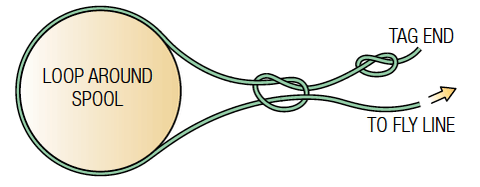
Start by threading the new line through the reel spool. Wrap the line around the spool two or three times.
Use a strong knot like the Arbor knot to tie the line end securely to the spool. This knot holds tight and stops slipping.
- Pass the line around the spool
- Tie an overhand knot around the main line
- Tighten the knot firmly against the spool
- Trim the tag end close to the knot
Trimming Excess Line
Cut off any extra line left after tying the knot. Leaving too much line can cause tangles and knots later.
Use sharp scissors or clippers to make a clean cut. Trim the line close to the knot but avoid cutting it loose.
- Check the knot for tightness
- Trim tag end within 1/8 inch of knot
- Remove any loose or frayed pieces
Final Reel Inspection
Look over the reel to make sure the line is secure and neat. The line should wrap evenly on the spool without overlaps.
Turn the reel handle slowly to check for any slipping or uneven winding. Fix any problems before using the reel.
- Ensure the line is tight and fastened
- Check for smooth and even winding
- Confirm no loose ends or tangles remain

Credit: windrider.com
Tips For Longevity And Performance
Putting new fishing line on a reel is important for good fishing. Using the right techniques helps your line last longer. It also improves how the reel works.
Follow simple tips to keep your fishing line strong. This guide shows how to store your reel, do regular maintenance, and know when to replace the line.
Storing Your Reel
Store your reel in a cool, dry place to avoid damage. Keep it away from sunlight and moisture. This helps stop the line from weakening.
Use a reel cover or bag to protect it from dust and dirt. Keep the reel off hard surfaces to prevent scratches and dents.
- Store in a dry, shaded area
- Use a protective cover
- Keep away from heat sources
- Place on soft surfaces or hang it
Regular Maintenance
Clean your reel after every use. Remove dirt, salt, and debris to stop corrosion. Use a soft cloth and mild soap if needed.
Lubricate moving parts to keep the reel working smoothly. Check the line for damage and replace it if needed. This keeps your reel ready for your next trip.
- Wipe reel with a damp cloth after fishing
- Use reel oil on gears and bearings
- Check line for frays and weak spots
- Tighten screws and parts if loose
Replacing Line When Needed
Replace your fishing line when it shows wear. Old line breaks easily and lowers fishing success. Change the line if it feels rough or looks faded.
Do not wait too long to replace the line. Fresh line improves casting distance and hook setting. Follow the reel instructions for the right line type and amount.
- Look for cracks or frayed spots
- Replace line every season or sooner
- Use the correct line weight for your reel
- Fill the spool evenly without overfilling
Frequently Asked Questions
How Do I Choose The Right Fishing Line?
Choosing the right fishing line depends on your fishing conditions. Consider the fish species, water type, and weather. Monofilament is versatile, fluorocarbon is nearly invisible underwater, and braided line offers strength. Match the line strength to the fish you aim to catch for optimal results.
What Tools Do I Need For Spooling A Reel?
To spool a reel, you’ll need a pair of scissors, a pencil or dowel, and your new line. A line conditioner is optional but helpful. These tools ensure your fishing line is neatly and efficiently spooled onto the reel, preventing tangles and ensuring smooth casting.
How Do I Attach Line To The Reel?
Start by opening the bail arm and threading the line through the rod guides. Tie the line to the reel spool using an arbor knot. Close the bail arm and ensure the line is secure. This method ensures the line is firmly attached and ready for spooling.
How Much Fishing Line Should I Put On?
Fill the spool until it’s about 1/8 inch from the rim. This prevents line overflow and ensures smooth casting. Avoid overfilling or underfilling as it can cause tangles or limit casting distance. Properly filled spools enhance your fishing experience by improving line performance.
Conclusion
Putting new fishing line on a reel is simple and quick. Follow the steps carefully for best results. A well-spooled reel helps you fish better and avoid problems. Check your line often to keep it fresh and strong. Practice makes perfect, so don’t worry if it feels tricky at first.
Enjoy your time fishing with confidence and ease. Ready for your next catch?