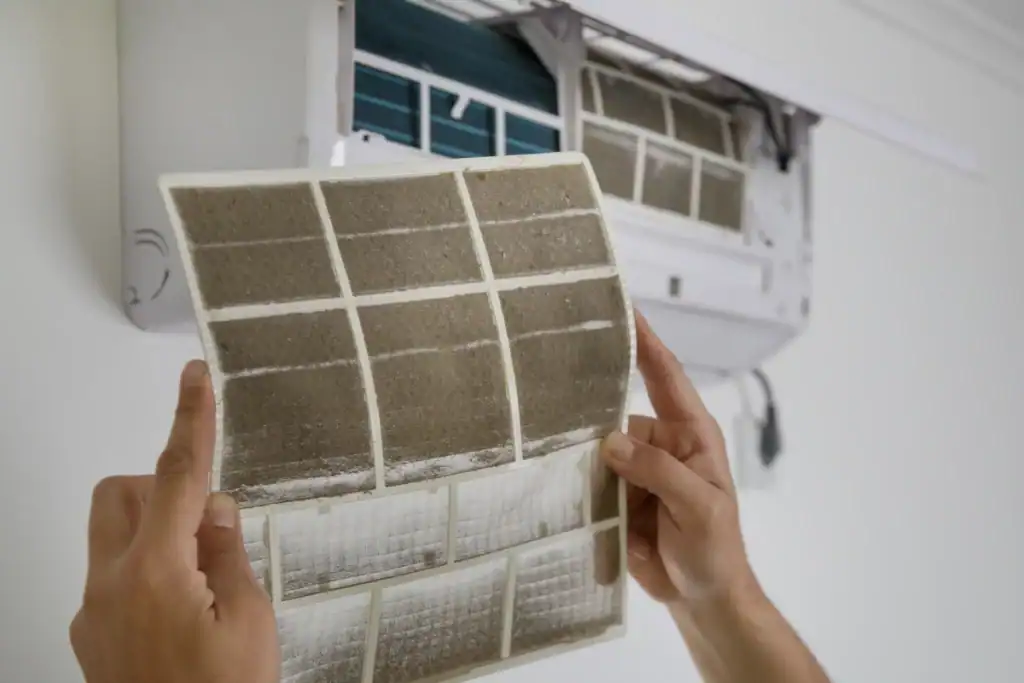
Have you noticed your air conditioner isn’t cooling like it used to? Or maybe it’s making strange noises or running longer than normal.
One simple reason could be hiding right inside your unit—a dirty air conditioner filter. You might not realize it, but a clogged filter can stop your AC from working properly. If you want to save money, stay comfortable, and avoid costly repairs, it’s important to understand how this tiny part affects your whole system.
Keep reading to find out why a dirty filter can cause your air conditioner to fail and what you can do about it.

Credit: aquariushomeservices.com
How Air Conditioner Filters Work
An air conditioner filter traps dust, dirt, and pollen. It cleans the air before it cools your home. The filter helps keep the air conditioner parts clean. This lets the air conditioner work well and last longer.
Filters come in different types and sizes. Some have thin fibers; others use foam or mesh. All filters catch tiny particles from the air. Clean filters help air flow smoothly through the system.
- Blocks dust and dirt from entering the system
- Prevents damage to air conditioner parts
- Improves indoor air quality
- Helps air conditioner cool efficiently
Effects Of A Dirty Filter On Performance
A dirty air conditioner filter blocks air from flowing freely. This reduced airflowmakes the unit work harder to cool the space. Poor airflow can cause uneven cooling and hot spots in rooms.
Dirty filters lead to increased energy consumption. The system uses more power to push air through clogged filters. This raises electricity bills and wastes energy.
Filters clogged with dirt cause the system to overheat. Overheating may damage important parts like the compressor. This shortens the air conditioner’s life and may lead to costly repairs.
Signs Your Filter Needs Cleaning
A dirty air conditioner filter can cause many problems. Poor cooling efficiencymeans the AC works harder but cools less. This wastes energy and raises bills.
Unusual noiseslike rattling or buzzing often happen when air can’t flow freely. Dust and dirt block the filter and cause strain on the system.
Musty odorscome from mold or bacteria growing on a dirty filter. This smell spreads through the air and makes rooms uncomfortable.
Cleaning And Replacing Filters
Dirty air filterscan block airflow and reduce cooling power. Clean filters every 1 to 3 monthsfor best results. Replace filters if they are torn or very clogged. Some filters last up to 6 months. Check the filter type for exact times.
| Condition | Action |
|---|---|
| Light dust build-up | Clean with water or vacuum |
| Heavy dirt or damage | Replace filter |
| Filter age over 6 months | Replace filter |
Remove the filter gently. Use a vacuum or rinse with water. Let it dry fully before putting it back. Avoid soap unless filter instructions say so.
Choose a filter that fits your air conditioner model. Look for filters with a good MERV rating. Higher ratings catch smaller dust particles. Replace with the same size to keep the unit working well.
Preventive Maintenance Tips
Regularly checking your air conditioner filter helps avoid blockages. A clean filter allows air to flow freely, keeping the system efficient. Set a schedule to inspect the filter at least once a month. Replace or clean the filter as needed to prevent dirt build-up. This simple habit extends the life of your AC and saves energy.
Improving indoor air quality starts with a clean filter. Dirty filters trap dust and allergens, which then circulate inside your home. Clean filters reduce dust, pet dander, and pollen, making the air healthier to breathe. Fresh air means better comfort for everyone in your home.
| Professional Servicing Benefits |
|---|
| Experts find hidden problems early before big issues occur |
| They clean parts that are hard to reach or see |
| Regular servicing keeps the system running smoothly and saves money |
| Technicians can give advice on filter types and maintenance tips |

Credit: filterbuy.com

Credit: www.homediykits.com.au
Frequently Asked Questions
Can A Dirty Filter Affect Ac Performance?
Yes, a dirty air conditioner filter can hinder airflow, reducing efficiency. It forces the AC to work harder, increasing energy consumption. Regular cleaning or replacing filters can maintain optimal performance and lower energy costs.
How Often Should Ac Filters Be Cleaned?
AC filters should be checked monthly and cleaned or replaced every 1-3 months. This depends on usage and environmental factors. Regular maintenance ensures efficient airflow and prevents strain on your air conditioning system.
What Are Signs Of A Clogged Ac Filter?
Signs include reduced airflow, inadequate cooling, and increased energy bills. An overworked AC or unusual noises may also indicate a clogged filter. Regularly checking and replacing filters can prevent these issues and maintain system efficiency.
Can A Blocked Filter Cause Ac Breakdown?
Yes, a blocked filter can cause the AC to overheat and potentially lead to breakdowns. It restricts airflow, causing the system to work harder and potentially fail. Regular maintenance can prevent such costly repairs.
Conclusion
A dirty air conditioner filter can block airflow and reduce cooling. This often causes the unit to stop working properly. Regularly cleaning or replacing the filter keeps the system running smoothly. It helps save energy and lowers repair costs too.
Don’t wait for your AC to break down. Keep your filter clean for better air and comfort. Small steps make a big difference in AC performance. Take care of your air conditioner to avoid future problems.