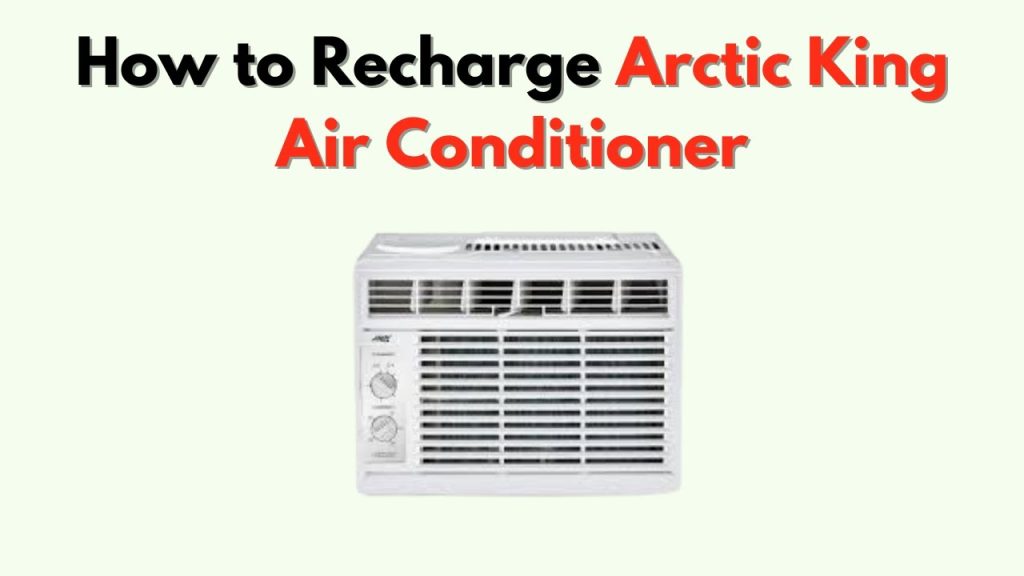
Are you wondering if your window air conditioner uses Freon? You’re not alone.
Many people ask this question when their unit stops cooling or needs a refill. Understanding whether your window AC has Freon is key to keeping it running smoothly and avoiding costly repairs. You’ll discover the truth about Freon in window air conditioners and what it means for your comfort and your wallet.
Keep reading—you’ll learn exactly what you need to know to take better care of your cooling system.
What Is Freon?
Freon is a type of refrigerant used in air conditioners and refrigerators. It helps cool the air by absorbing heat and releasing it outside.
It is a brand name for a group of chemicals called chlorofluorocarbons or CFCs. These chemicals have been widely used in cooling systems for decades.
Types Of Refrigerants
Refrigerants come in different types. Each type works in a special way to cool the air. Some are safer for the environment than others.
- Chlorofluorocarbons (CFCs) – These include some Freon types. They harm the ozone layer.
- Hydrochlorofluorocarbons (HCFCs) – These replaced CFCs but still damage ozone less.
- Hydrofluorocarbons (HFCs) – These do not harm the ozone but can affect climate change.
- Natural refrigerants – These include ammonia and carbon dioxide and are eco-friendly.
History Of Freon Usage
Freon was first made in the 1920s. It became popular because it was safe for people and machines. It did not catch fire or explode.
| Year | Event |
| 1928 | Freon invented by Thomas Midgley Jr. |
| 1930s | Freon widely used in air conditioners and refrigerators. |
| 1970s | Scientists found Freon harms the ozone layer. |
| 1987 | Montreal Protocol signed to phase out harmful Freon types. |
| 2000s | New refrigerants replaced many Freon products. |

Credit: www.popularmechanics.com
Freon In Window Air Conditioners
Window air conditioners use refrigerants to cool the air. Freon is a common name for some of these refrigerants.
Not all window AC units use Freon, but many older models do. Newer models may use different, safer refrigerants.
Common Refrigerants Used
Freon refers to a group of refrigerants called chlorofluorocarbons (CFCs) and hydrochlorofluorocarbons (HCFCs). These were popular in older AC units.
New window air conditioners often use refrigerants like R-410A, which do not contain Freon and are safer for the environment.
- R-22 (a type of Freon, used in older models)
- R-410A (a common modern refrigerant)
- R-32 (used in some newer, efficient units)
How Refrigerants Work In Ac Units
Refrigerants absorb heat from inside the room. They turn from liquid to gas and back again to cool the air.
The process moves heat outside the window AC, making the room cooler and more comfortable.
- Refrigerant evaporates inside the unit, absorbing heat.
- The gas moves to the compressor and condenses outside.
- Heat leaves the unit, and cool air blows inside.
Environmental Impact
Window air conditioners often use refrigerants like Freon to cool the air. These chemicals affect the environment in different ways. Understanding their impact helps us use air conditioning safely.
This section explains how Freon affects the ozone layer and the rules made to reduce harm.
Ozone Depletion Concerns
Freon is a type of chlorofluorocarbon (CFC) or hydrochlorofluorocarbon (HCFC). These chemicals can damage the ozone layer in the upper atmosphere.
- Ozone layer protects Earth from harmful UV rays.
- Freon breaks down ozone molecules, thinning the layer.
- Thinner ozone increases risk of skin cancer and eye damage.
- It also harms plants and marine life.
Regulations And Phase-outs
Governments worldwide set rules to limit Freon use. These laws aim to protect the ozone and reduce environmental damage.
| Year | Regulation | Effect |
| 1987 | Montreal Protocol | Started global phase-out of CFCs |
| 1996 | US Clean Air Act Amendments | Banned new CFC production |
| 2010 | HCFC Phase-Out Schedule | Reduced HCFC use in new AC units |
Modern Alternatives To Freon
Window air conditioners once used Freon as a refrigerant. Freon harms the environment and is being replaced. New options use safer and cleaner substances.
These modern alternatives help reduce pollution and save energy. They keep homes cool without hurting the planet.
Eco-friendly Refrigerants
Many new window air conditioners use eco-friendly refrigerants. These refrigerants have less impact on the ozone layer and global warming.
Some common eco-friendly refrigerants include R-32 and R-410A. They work well and are safer for the environment than Freon.
- R-32 reduces greenhouse gas emissions
- R-410A does not harm the ozone layer
- They improve air conditioner performance
Energy Efficiency Improvements
Modern window air conditioners use better technology to save energy. They cool rooms faster and use less electricity.
Energy-efficient models lower utility bills. They also reduce the carbon footprint of cooling your home.
- Improved compressors use less power
- Better insulation keeps cool air inside
- Smart thermostats maintain comfortable temperatures
Maintenance And Safety Tips
Window air conditioners need regular care to work well. Safety is important when dealing with refrigerants inside them.
This guide covers how to handle refrigerants safely and how to spot leaks early.
Handling Refrigerants Safely
Refrigerants like Freon can be harmful if not handled properly. Always use protective gear when servicing the unit.
- Wear gloves and safety glasses to avoid skin and eye contact.
- Work in a well-ventilated area to prevent inhalation of fumes.
- Do not try to release refrigerants into the air; this harms the environment.
- Hire a certified technician for repairs involving refrigerants.
- Store refrigerants in approved containers away from heat sources.
Signs Of Refrigerant Leaks
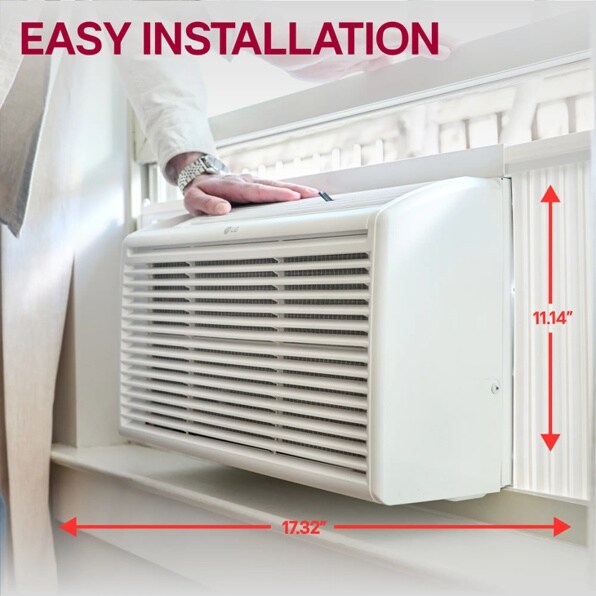
Detecting refrigerant leaks early can prevent damage and health risks. Watch for these signs in your air conditioner.
| Sign | Description |
| Ice Build-up | Frost forms on coils or pipes inside or outside the unit. |
| Reduced Cooling | The air conditioner cools less effectively than before. |
| Hissing Sounds | Unusual noises near the refrigerant lines. |
| Oily Residue | Sticky or oily spots near the fittings or connections. |
| High Energy Bills | Electricity use rises without increased cooling needs. |
Credit: www.lg.com
Replacing Or Upgrading Window Ac Units
Window air conditioners often use refrigerants like Freon to cool the air. Over time, older units may lose efficiency or use outdated refrigerants. Replacing or upgrading your window AC can improve cooling and safety.
Choosing the right new unit involves considering the type of refrigerant it uses. This helps protect the environment and ensures better performance in your home or office.
Choosing Units With Safe Refrigerants
New window AC units often use safer refrigerants than older models. These refrigerants have less impact on the ozone layer. They are also less harmful if leaked.
Look for units that use refrigerants like R-410A or newer options. These options are better for the environment and meet current safety standards.
- R-410A does not deplete the ozone layer
- New refrigerants reduce greenhouse gas emissions
- Safer for your home and the environment
Cost Considerations
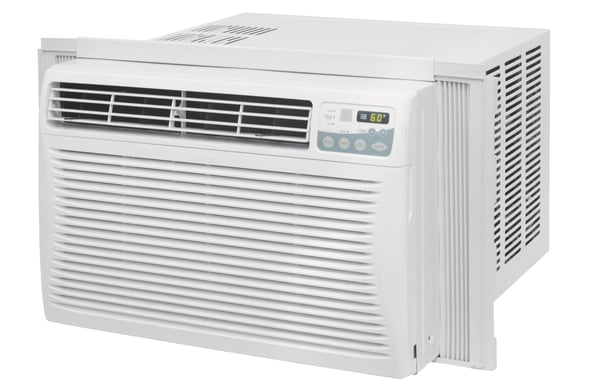
Replacing a window AC unit can cost more than repairing it. Newer models may have higher upfront prices but save money over time.
Energy-efficient units lower your electricity bills. They also last longer and need less maintenance. Think about long-term savings before buying.
- Initial cost of new unit versus repair costs
- Energy savings with efficient refrigerants
- Potential rebates for eco-friendly units
- Maintenance and lifespan of the unit
Credit: www.searspartsdirect.com
Frequently Asked Questions
Do Window Air Conditioners Use Freon Refrigerant?
Yes, many window air conditioners use Freon, specifically R-22 or R-410A refrigerants. These coolants absorb and release heat efficiently. However, newer models often use environmentally friendly refrigerants due to Freon’s ozone depletion impact.
Can Freon Be Replaced In Window Ac Units?
Yes, Freon can be replaced or recharged in window AC units. A certified technician should handle this to ensure safety and proper functioning. Using the correct refrigerant type is essential for optimal cooling and system longevity.
Is Freon Harmful To The Environment?
Freon, especially R-22, harms the ozone layer and contributes to global warming. Due to these effects, production is phased out, and newer refrigerants are more eco-friendly. Proper disposal and recycling of Freon are crucial to minimize environmental damage.
How To Know If My Window Ac Needs Freon?
If your window AC isn’t cooling well or blowing warm air, it might need a Freon recharge. Other signs include ice buildup on coils or unusual noises. A professional inspection can confirm refrigerant levels and system health.
Conclusion
Window air conditioners often use Freon or its alternatives. Freon helps cool the air efficiently. It circulates within the unit, absorbing heat. Freon, however, can harm the environment if leaked. Modern units may use eco-friendlier refrigerants. Always handle with care.
Regular maintenance ensures safe operation. Check for leaks and follow guidelines. Choose units with updated refrigerants for better safety. Understanding your air conditioner helps in making informed choices. A well-maintained unit not only cools but also saves energy. Stay cool and environmentally responsible with the right knowledge.