
Have you ever noticed the word “Dry” on your air conditioner’s remote or control panel and wondered what it really means? Understanding this simple setting can change the way you experience cooling, especially when the air feels sticky or damp.
Knowing how and when to use the Dry mode can make your room more comfortable without running your AC full blast. Keep reading to discover what “Dry” does, why it matters, and how it can help you save energy while keeping your space fresh and cool.
Dry Mode Basics
Dry mode is a setting on many air conditioners. It helps reduce humidity in the room.
This mode is useful when the air feels damp but not too hot. It makes the room more comfortable.
Purpose Of Dry Mode
Dry mode removes extra moisture from the air without cooling the room too much. It keeps the temperature steady.
This mode helps prevent mold and mildew. It also stops the air from feeling sticky or heavy.
- Reduces indoor humidity
- Makes the air feel fresher
- Prevents mold growth
- Keeps room temperature stable
How Dry Mode Works
Dry mode runs the air conditioner’s fan and compressor at low speeds. This helps remove moisture slowly.
The air conditioner pulls moist air inside. It cools the air slightly to remove water, then releases dry air back.
- Fan moves air inside the unit
- Compressor cools the air
- Water condenses and drains out
- Dry air returns to the room

Credit: www.reddit.com
Dry Mode Vs Cooling Mode
Air conditioners often have a dry mode and a cooling mode. Both help control indoor comfort. They work differently to meet your needs.
This article explains how dry mode differs from cooling mode. You will learn about temperature control and energy use.
Temperature Control Differences
Cooling mode lowers the room temperature by blowing cold air. Dry mode reduces the humidity without much change in temperature.
- Cooling Mode:Actively cools the air and lowers room temperature.
- Dry Mode:Removes moisture from the air, making it feel cooler.
- Dry mode runs the fan slower and cycles the compressor less than cooling mode.
- Cooling mode keeps the compressor running until the set temperature is reached.
Energy Efficiency Comparison
Dry mode uses less energy than cooling mode. It focuses on humidity instead of temperature.
| Mode | Energy Use | Purpose | Effect on Temperature |
|---|---|---|---|
| Dry Mode | Lower | Remove humidity | Minimal change |
| Cooling Mode | Higher | Lower room temperature | Significant drop |
Benefits Of Using Dry Mode
Dry mode on an air conditioner helps reduce indoor humidity. It works by removing moisture from the air without cooling it too much. This mode is useful in damp weather or places with high humidity levels.
Using dry mode can improve comfort and protect your home from moisture damage. It saves energy compared to the cooling mode because the compressor runs less often.
Humidity Reduction
Dry mode lowers humidity, which helps prevent mold and mildew growth. It also stops dampness that can cause bad smells and damage to furniture.
- Removes excess moisture from the air
- Reduces risk of mold and mildew
- Protects walls and furniture from dampness
- Improves air quality by reducing humidity
Comfort Improvement
Lower humidity makes the indoor air feel cooler and fresher. Dry mode can help you feel more comfortable without needing to lower the temperature much.
| Comfort Factor | Effect of Dry Mode |
| Air Moisture | Reduced to comfortable levels |
| Temperature Feeling | Feels cooler without much cooling |
| Energy Use | Less than full cooling mode |
| Skin Comfort | Less sticky and clammy feeling |
When To Use Dry Mode
Dry mode on an air conditioner helps reduce humidity in the air. It cools the room slightly but mainly removes moisture.
This mode is useful in certain weather and situations to make the room more comfortable without using full cooling.
Ideal Weather Conditions
Dry mode works best on days when the air is humid but not too hot. It lowers moisture without making the room too cold.
This mode helps during rainy or cloudy days when humidity feels sticky but temperature is mild.
- Humid but mild temperature
- Rainy or overcast weather
- When cooling is not needed
Common Scenarios
Use dry mode in places where moisture causes discomfort. It prevents dampness without using much energy.
This mode suits rooms with poor ventilation or after activities that increase humidity indoors.
- After cooking or showering
- In basements or closed rooms
- During humid summer days
- To avoid overcooling
Limitations Of Dry Mode
Dry mode on an air conditioner helps reduce humidity in a room. It removes moisture from the air without cooling it too much. This mode works well in certain conditions but has limits.
Knowing these limits helps you use dry mode correctly. It also prevents discomfort or poor performance.
Not Suitable For Extreme Heat
Dry mode does not lower the air temperature much. It mainly removes moisture. In very hot weather, dry mode cannot cool the room enough.
Using dry mode during extreme heat can make the room feel hotter. This happens because the air conditioner is not working to cool the air effectively.
Possible Discomfort Issues
Dry mode changes the humidity but may cause some discomfort. Here are common issues people face:
- Dry skin and throat from low moisture levels
- Static electricity build-up in the room
- Feeling chilly without actual cooling
- Not suitable for people with respiratory problems
| Discomfort | Cause | Effect |
| Dry Skin | Low humidity | Itchiness and irritation |
| Throat Dryness | Reduced moisture | Cough or soreness |
| Chill Feeling | Air movement | Unpleasant cold sensation |
Tips For Optimizing Dry Mode
Dry mode on an air conditioner helps reduce humidity in the room. It keeps the air comfortable without making it too cold.
Using dry mode well can improve your comfort and save energy. Follow these tips to get the best results.
Maintaining Air Conditioner Filters
Clean filters help your air conditioner work better in dry mode. Dirty filters block air and reduce moisture removal.
Check the filters at least once a month. Wash or replace them as needed to keep air flowing freely.
- Turn off the unit before cleaning filters
- Use a soft brush or vacuum to remove dust
- Wash filters with mild soap and water if washable
- Let filters dry completely before reinstalling
- Replace filters if damaged or too dirty
Proper Room Ventilation
Good ventilation helps dry mode work well. It allows fresh air to enter and moisture to leave the room.
Keep doors or windows slightly open if possible. This balance stops the room from feeling stuffy or too damp.
- Avoid closing all windows tightly during dry mode
- Use exhaust fans in kitchens or bathrooms
- Keep vents clear of furniture or curtains
- Open windows for a short time to air out the room
Common Myths About Dry Mode
Many people do not fully understand what dry mode does on an air conditioner. Some myths make users think it works like cooling mode. It is important to learn the truth about dry mode.
Dry mode helps reduce humidity but does not always cool the room. We will look at how dry mode affects air quality and how well it works in different climates.
Dry Mode And Air Quality
Dry mode removes moisture from the air to lower humidity. This can make the room feel less sticky and more comfortable. It does not filter or clean the air like an air purifier.
Some people think dry mode kills germs or dust, but it mainly targets humidity. Lower humidity can reduce mold growth and dust mites, which helps air quality indirectly.
- Dry mode lowers moisture in the air
- It does not clean dust or germs directly
- Helps reduce mold and dust mites over time
- Does not replace an air purifier
Effectiveness In All Climates
Dry mode works best in places with high humidity. It removes moisture without cooling the room too much. In dry or cold areas, dry mode may not make a big difference.
Using dry mode in very dry climates can make the air too dry. This can cause discomfort like dry skin or throat. It is better to use dry mode only when humidity is high.
- Best for humid climates
- Less useful in dry or cold areas
- May cause too dry air if overused
- Use only when humidity is high
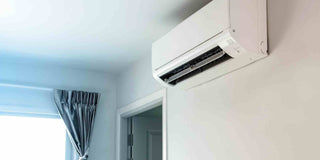
Credit: megafurniture.sg

Credit: www.acservicetech.com
Frequently Asked Questions
What Does “dry” Mode Mean On An Air Conditioner?
“Dry” mode reduces indoor humidity without cooling much. It removes excess moisture, making the air feel more comfortable. This mode is ideal for damp or rainy days when you want less humidity but not a cold room.
How Does Dry Mode Differ From Cool Mode?
Dry mode mainly removes moisture, while Cool mode lowers temperature. Dry mode uses less energy and runs the compressor intermittently. Cool mode continuously cools the air to maintain a set temperature.
When Should I Use The Dry Mode On My Ac?
Use Dry mode during humid weather to reduce moisture indoors. It helps prevent mold and mildew growth without overcooling the room. It’s perfect for mild days when you want comfort without a cold environment.
Does Dry Mode Save Energy Compared To Cool Mode?
Yes, Dry mode typically uses less energy than Cool mode. It runs the compressor less frequently and focuses on dehumidifying. This mode is efficient for maintaining comfort without heavy cooling.
Conclusion
Understanding the “Dry” mode on your air conditioner is essential. It helps remove excess moisture from the air. This mode can make your home feel cooler without lowering the temperature. It’s energy-efficient, saving on electricity bills. Perfect for humid days when the air feels sticky.
Use “Dry” mode to improve comfort and maintain a pleasant indoor climate. A simple setting change can make a big difference. Enjoy a more comfortable and efficient cooling experience. Stay informed and optimize your air conditioner’s performance. Your comfort, simplified.