Is your air conditioner frozen and leaving you in the heat? It’s frustrating when your AC suddenly stops working because ice has formed on the coils.
You might wonder how to fix this quickly before the room gets unbearably hot. The good news is, you don’t have to call a technician right away. With a few simple steps, you can unfreeze your air conditioner and get cool air flowing again.
Keep reading to discover easy, effective ways to thaw your AC and prevent this problem from happening again. Your comfort is just a few minutes away!
Causes Of Air Conditioner Freezing
Air conditioners can freeze for several reasons. Knowing the causes helps you fix the problem quickly.
Freezing stops the air conditioner from cooling properly. It can also damage the unit.
Low Refrigerant Levels
Refrigerant cools the air inside your home. Low refrigerant means less cooling power.
When refrigerant is low, the coils get too cold. This causes ice to form and freeze the unit.
Dirty Air Filters
Air filters trap dust and dirt. When filters are dirty, air cannot flow well.
Poor airflow cools the coils too much. This leads to ice buildup and freezing.
Blocked Airflow
Blocked vents or closed registers stop air from moving. This causes cold spots in the system.
Without enough airflow, the coils freeze and the air conditioner stops working.
- Furniture blocking vents
- Dirty blower fan
- Obstructed outdoor unit
Thermostat Settings
Setting the thermostat too low makes the air conditioner run too long. This can freeze the coils.
Thermostat problems can cause the unit to run when it should be off, leading to freezing.
Mechanical Issues
Mechanical parts like fans or compressors can fail. This reduces airflow or cooling ability.
Broken parts cause the system to freeze because it cannot work properly.
- Faulty fan motor
- Compressor problems
- Clogged drain line
Credit: samedaysd.com
Safety Precautions Before Fixing
Unfreezing an air conditioner can be risky if you do not take safety measures. Always prepare yourself before trying to fix it.
Following safety steps prevents accidents and keeps you safe while handling the unit.
Turn Off The Unit
Always turn off the air conditioner before you start fixing it. This stops the system and reduces risks.
Switch off the power from the main control or unplug the unit from the wall socket. This ensures no electricity flows to the device.
Avoid Electrical Hazards
- Make sure your hands are dry before touching the unit.
- Do not use metal tools near electrical parts.
- Check the power cord for any damage before working.
- Keep the area around the air conditioner dry.
- Use a voltage tester to confirm the power is off.
Use Protective Gear
Wear safety equipment to protect yourself while fixing the air conditioner:
| Protective Item | Purpose |
|---|---|
| Gloves | Protect hands from cold and sharp edges |
| Safety Glasses | Shield eyes from debris and chemicals |
| Long Sleeve Shirt | Protect skin from contact with cold surfaces |
| Closed-Toe Shoes | Prevent foot injuries from dropped tools |
Step-by-step Unfreezing Methods
If your air conditioner is frozen, it stops cooling properly. You need to unfreeze it to fix the problem.
Follow these simple steps to safely unfreeze your air conditioner and prevent future freezing.
Turn Off And Let It Defrost
First, turn off your air conditioner to stop the cooling process. This helps the ice melt naturally.
Wait at least a few hours for the ice to fully defrost. You can use a fan to speed up the melting.
Replace Or Clean Air Filters
Dirty air filters block airflow and cause freezing. Check your filters and clean or replace them.
Clean filters improve air circulation and prevent ice buildup on the coils.
- Remove the filter from the unit
- Vacuum or wash the filter if reusable
- Replace with a new filter if damaged or very dirty
- Put the clean or new filter back in place
Check And Clear Air Vents
Blocked or closed air vents reduce airflow. Make sure all vents are open and clear of dust.
Good airflow helps keep the air conditioner from freezing again.
- Open all air vents in the room
- Remove furniture or objects blocking vents
- Clean dust from vent covers
- Use a brush or vacuum to clear dust inside vents
Adjust Thermostat Settings
Set your thermostat to a higher temperature to reduce strain on the AC. Avoid very low settings.
This change helps prevent the coils from freezing and improves efficiency.
- Increase temperature by 2 to 3 degrees
- Use “Auto” fan mode instead of “On”
- Check settings regularly during hot days
Inspect Refrigerant Levels
Low refrigerant causes freezing. Have a professional check the levels and refill if needed.
Do not try to add refrigerant yourself. It needs special tools and training.

Credit: www.callacs.com
Preventing Future Freezing
Air conditioners can freeze up if not cared for properly. Preventing freezing helps your unit run well and last longer.
Keeping your air conditioner in good shape stops ice from forming and causing damage.
Regular Maintenance Tips
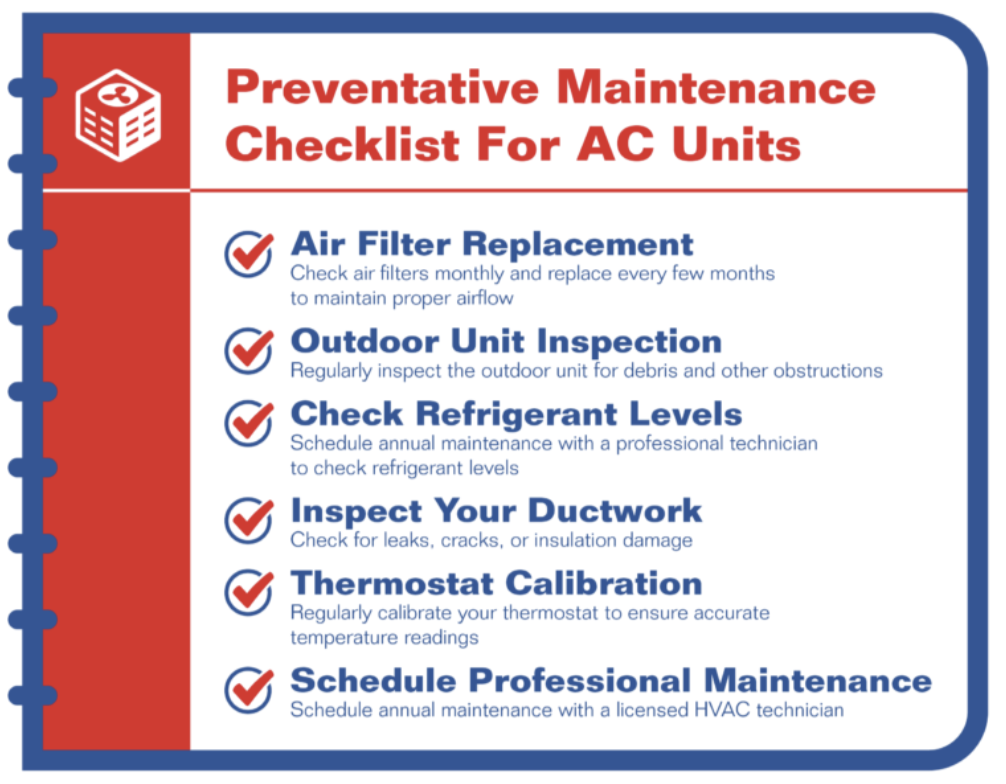
Clean or replace your air filter every 1 to 3 months. Dirty filters block air and cause freezing.
Check the coils and clean them if they are dirty. Dust and dirt make the coils less effective.
- Change air filters regularly
- Clean evaporator and condenser coils
- Remove debris around outdoor unit
- Keep drain lines clear and flowing
Proper Thermostat Use
Set your thermostat to a reasonable temperature. Too low settings can cause the unit to freeze.
Use a programmable thermostat to avoid running the AC too long. This helps keep the system balanced.
- Keep thermostat above 70°F in cooling mode
- Use timer settings to limit AC runtime
- Don’t switch between heating and cooling quickly
Ensuring Good Airflow
Make sure vents and registers are open and not blocked. Good airflow stops ice from forming.
Keep furniture, curtains, and other items away from vents. This lets the air move freely through your home.
- Open all supply and return vents
- Keep furniture away from vents
- Use fans to help circulate air
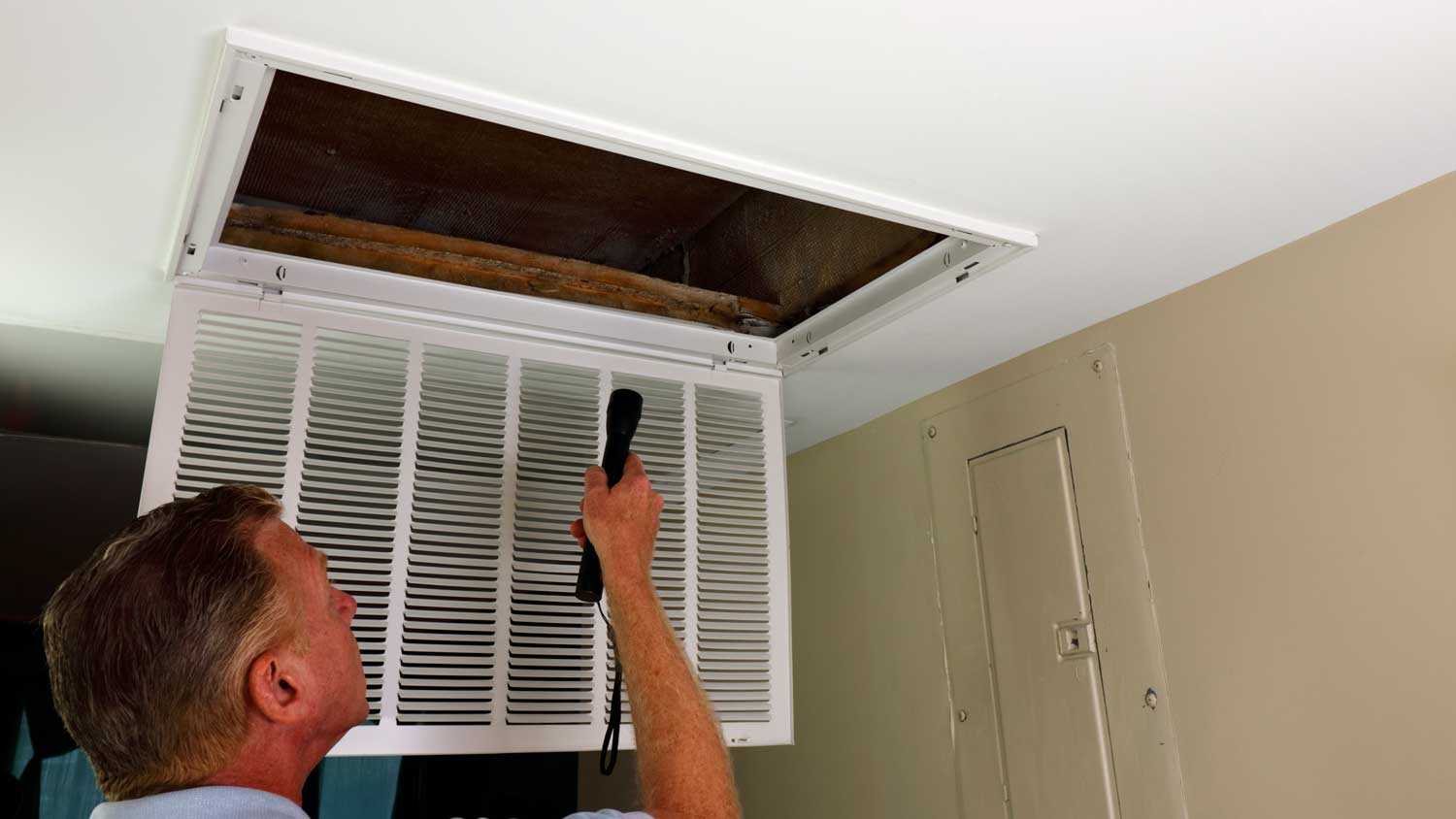
- Check ductwork for leaks or blockages
Scheduled Professional Checkups
Have a technician inspect your AC once a year. They can find problems before freezing starts.
Professionals check refrigerant levels and clean parts that are hard to reach. This keeps your system healthy.
- Annual inspection by a certified technician
- Check refrigerant charge and leaks
- Clean coils and internal parts
- Test system controls and safety features
When To Call A Professional
Air conditioners can freeze for several reasons. Some problems are easy to fix at home. Others need a professional’s help.
Knowing when to call a technician saves time and prevents damage. This guide helps you spot signs to get expert help.
Persistent Freezing Issues
If your air conditioner keeps freezing after you thaw it, call a professional. This may mean deeper problems inside the unit.
Frozen coils can damage the system if not fixed. A technician can check airflow, filters, and other causes thoroughly.
Refrigerant Recharge Needs
Low refrigerant causes ice buildup on your AC. Only professionals can safely check and refill refrigerant levels.
Incorrect refrigerant amounts can harm the unit. A certified technician will ensure the right levels and check for leaks.
Complex Mechanical Repairs
Some parts like compressors or fans may fail and cause freezing. These repairs need special tools and skills.
Do not try to fix electrical or mechanical parts yourself. A trained professional can fix these safely and correctly.
Credit: www.angi.com
Frequently Asked Questions
What Causes An Air Conditioner To Freeze Up?
Air conditioners freeze due to restricted airflow or low refrigerant levels. Dirty filters or blocked vents can cause airflow issues. Insufficient refrigerant disrupts the cooling cycle, leading to freezing. Regular maintenance, including cleaning and checking refrigerant levels, can prevent this issue and ensure efficient operation.
How Can I Quickly Unfreeze My Ac Unit?
To quickly unfreeze your AC, first turn it off. Then, switch the fan to “on” to circulate air. This helps melt the ice. Ensure that the filters and vents are clean to improve airflow. Wait for the ice to melt completely before restarting the cooling.
Is It Safe To Use My Ac While It’s Frozen?
Using a frozen AC is unsafe and can cause damage. It strains the compressor and reduces efficiency. Turn off the AC immediately and allow it to thaw. Check for any blockages or issues before restarting. Regular maintenance can prevent freezing and ensure safe operation.
How Long Does It Take To Thaw A Frozen Ac?
Thawing a frozen AC can take a few hours. The exact time depends on the extent of freezing. Turn off the AC and let it defrost naturally. Use the fan to speed up the process. Ensure proper airflow and clean filters to prevent future freezing.
Conclusion
Unfreezing an air conditioner takes patience and simple steps. Turn off the unit and let the ice melt naturally. Check the air filter and clean or replace it if needed. Keep the vents open to allow good airflow. Regular maintenance helps avoid freezing issues.
Small actions can save your AC from damage. Stay calm and act carefully for best results. Your air conditioner will cool properly once it thaws. Simple care keeps your home comfortable all summer.