Have you ever wondered if a spare tire can fit any car? When you face a flat tire, the last thing you want is to find out your spare doesn’t work with your vehicle.
Knowing whether your spare tire fits is crucial for your safety and peace of mind on the road. You’ll discover the key facts about spare tires, what makes them compatible or not, and how to make sure you’re always prepared.
Keep reading to avoid surprises and stay confident during any tire emergency.
Types Of Spare Tires
Spare tires come in different types to fit various cars and needs. They help you keep moving after a flat tire or damage. Knowing the types helps you pick the right one for your vehicle.
This guide covers full-size spares, compact spares, and temporary spares. Each has its own features and uses.
Full-size Spares
Full-size spares are the same size as your regular tires. They offer the best performance and safety. You can drive with them as long as needed. Many trucks and SUVs carry full-size spares.
Compact Spares
Compact spares, also called “donuts,” are smaller and lighter than full-size tires. They save space and weight in your car. These spares are for short distances and low speeds only.
- Use only up to 50 miles
- Drive slower than 50 mph
- Replace with a full tire quickly
- Not for rough or long trips
Temporary Spares
Temporary spares are similar to compact spares but may differ in design. They are meant to be a short-term solution. You should check air pressure often and avoid sharp turns.
| Type | Size | Use Duration | Speed Limit |
| Full-Size Spare | Same as regular tire | Long-term | No limit |
| Compact Spare | Smaller than regular tire | Short-term (up to 50 miles) | Up to 50 mph |
| Temporary Spare | Smaller or different design | Very short-term | Low speed, varies by model |

Credit: www.carsales.com.au
Compatibility Factors
Using a spare tire depends on several compatibility factors. These ensure the spare fits your car safely and properly. Knowing these factors helps avoid damage or unsafe driving.
We will explore three main points: tire size and dimensions, bolt pattern matching, and wheel offset and diameter. Each plays a key role in spare tire compatibility.
Tire Size And Dimensions
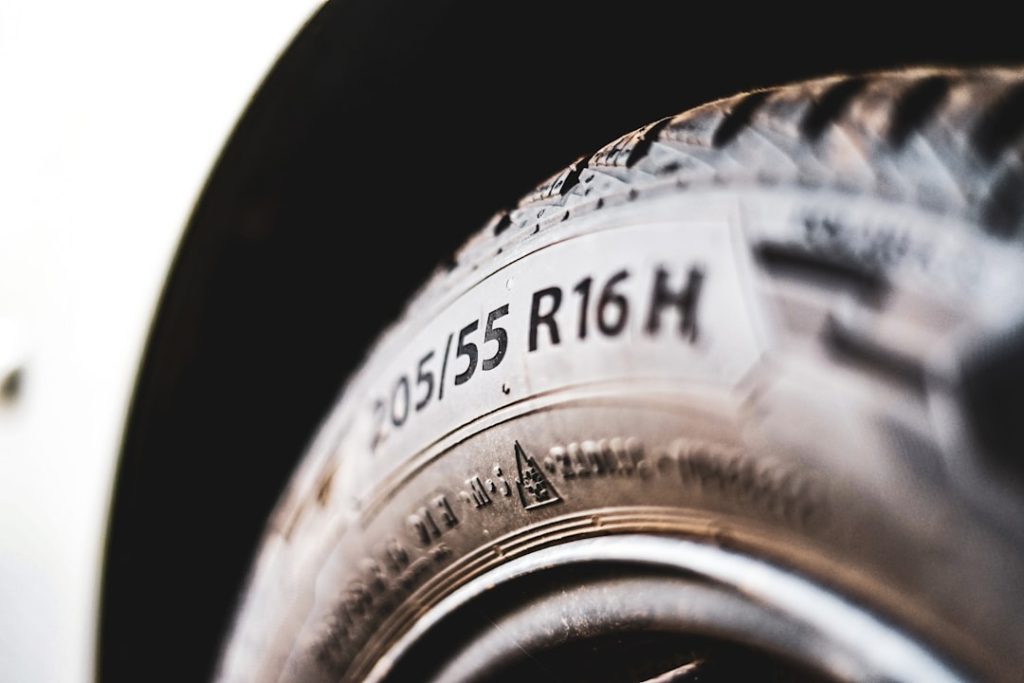
Tire size must match or be close to your vehicle’s original tires. Size includes width, aspect ratio, and diameter. Using a very different size can affect vehicle handling and safety.
- Width: The tire’s width in millimeters.
- Aspect ratio: The height of the sidewall as a percentage of width.
- Diameter: The wheel size the tire fits, in inches.
Bolt Pattern Matching
The bolt pattern is the number of lug holes and the circle diameter they form. It must match your car’s wheel hub. If it does not match, the spare cannot be mounted safely.
| Bolt Pattern | Description | Example |
|---|---|---|
| 4×100 | 4 bolts in a circle with 100mm diameter | Small cars |
| 5×114.3 | 5 bolts in a 114.3mm circle | Many sedans and SUVs |
| 6×139.7 | 6 bolts in a 139.7mm circle | Trucks and large SUVs |
Wheel Offset And Diameter
Offset is the distance between the wheel’s mounting surface and its centerline. It affects how the wheel sits in the wheel well. Diameter refers to the wheel’s full size across the face.
Matching offset and diameter is important to avoid:
- Interference with brakes or suspension
- Incorrect speedometer readings
- Poor handling and stability
Vehicle Make And Model Considerations
Not all spare tires fit every car. The make and model of your vehicle matter a lot. Each vehicle has unique tire sizes and shapes.
Knowing these differences helps you choose the right spare tire. It keeps you safe and prevents damage to your vehicle.
Sedans Vs Suvs
Sedans usually have smaller tires than SUVs. Their spare tires are often compact or “donut” types. SUVs need larger and stronger spares. This is because SUVs weigh more and may drive on rough roads.
- Sedans: Smaller, lighter spare tires
- SUVs: Larger, more durable spare tires
- SUV spares match the vehicle’s size and weight
Sports Cars And Performance Vehicles
Sports cars have special tires for speed and handling. Their spare tires are often very different. Some sports cars come with no spare tire at all. Others use a tire repair kit instead.
| Vehicle Type | Spare Tire Type | Notes |
| Sports Cars | Compact or None | Lightweight and small to save space |
| Performance Vehicles | Run-flat or Repair Kit | Designed for quick fixes on the road |
Trucks And Larger Vehicles
Trucks have large and heavy-duty tires. Their spare tires must match this size and strength. Using a smaller spare tire can cause handling problems and wear out quickly.
Trucks often carry full-size spare tires. Here are common truck tire sizes and their uses:
- Light-Duty Trucks: 16-18 inch tires, full-size spares
- Heavy-Duty Trucks: 18-22 inch tires, heavy spares
- Off-Road Trucks: Reinforced spares for rough terrain
Credit: www.kianiroforum.com
Safety And Performance Impacts
Spare tires do not fit every car the same way. Using the wrong spare tire can affect safety and performance.
It is important to understand how spares change your car’s handling, speed limits, and wear over time.
Handling Differences
Spare tires are often smaller or narrower than regular tires. This change affects how your car handles on the road.
You may notice less grip and slower response when steering. The car might feel unstable, especially in turns or wet conditions.
- Reduced traction on corners
- Less stability at high speeds
- Possible pulling to one side
Speed And Distance Limits
Spare tires are designed for temporary use only. They have strict speed and distance limits to keep you safe.
Driving too fast or too far on a spare can cause tire failure or damage to your vehicle.
- Most spares recommend under 50 mph (80 km/h)
- Distance limit is usually around 50 to 70 miles (80 to 110 km)
- Check your car’s manual for exact limits
Wear And Tear On Spare Tires
Spare tires can degrade even when not in use. Old or worn spares might fail when you need them most.
Regularly check the tire pressure and condition of your spare. Replace it if it shows cracks or low tread.
- Spare tires age faster than regular tires
- Exposure to heat and sunlight causes cracks
- Low pressure can cause damage when driving
- Rotate spares if your car manual suggests
Installation Tips
Installing a spare tire correctly keeps you safe on the road. It also helps your car run smoothly until you fix the original tire.
Follow simple tips for checking pressure, mounting, and using the right tools. These steps make the process easier and faster.
Checking Tire Pressure
Check the spare tire’s pressure before installation. A spare tire with low pressure can cause problems while driving.
- Use a tire pressure gauge for accuracy.
- Compare the pressure with the car’s recommended level.
- Inflate the tire if the pressure is too low.
- Do not overinflate; follow the car manual’s guidelines.
Proper Mounting Techniques
Mounting the spare tire properly is important to avoid damage and ensure safety. Align the tire with the wheel bolts carefully.
| Step | Action |
|---|---|
| 1 | Loosen the lug nuts before lifting the car. |
| 2 | Use a jack to raise the car off the ground. |
| 3 | Remove the flat tire carefully. |
| 4 | Place the spare tire on the hub and align the holes. |
| 5 | Tighten lug nuts by hand first, then with a wrench. |
| 6 | Lower the car and tighten lug nuts fully in a star pattern. |
Tools Needed For Replacement
Having the right tools ready makes the spare tire installation quick and safe. Keep these tools in your car at all times.
- Car jack to lift the vehicle.
- Lug wrench to loosen and tighten nuts.
- Tire pressure gauge to check air pressure.
- Wheel chocks to prevent the car from moving.
- Gloves to protect your hands.

Credit: www.reddit.com
Alternatives To Spare Tires
Not all cars use the same spare tire size. Some cars may not fit a standard spare tire. There are other options to fix a flat tire or avoid changing it.
This guide explains three alternatives to spare tires. These options help drivers stay safe and continue driving after a tire problem.
Run-flat Tires
Run-flat tires let you drive even after a puncture. They have stronger sidewalls to support the car’s weight. You can drive for a short distance to reach a repair shop.
These tires remove the need for a spare. They keep you safe and avoid the trouble of changing tires on the road.
- Drive up to 50 miles after a flat
- Keep tire pressure longer
- No spare tire needed in the trunk
Tire Repair Kits
Tire repair kits offer a quick fix for small holes. They include sealant and an air compressor. You can seal the puncture and reinflate the tire temporarily.
These kits are small and easy to carry. They are a good alternative if your car does not have a spare tire or run-flat tires.
- Sealant plugs small punctures
- Compressor refills the tire
- Used only for minor tire damage
Roadside Assistance Options
Roadside assistance services help if you get a flat tire. They can repair or replace your tire on site. Some services even tow your car to a shop.
Using roadside help means you do not need to carry a spare tire. It adds convenience and safety, especially in bad weather or busy roads.
- Flat tire repair or replacement
- Towing to the nearest garage
- Available 24/7 with a service plan
Frequently Asked Questions
Can A Spare Tire Fit Any Vehicle?
Not all spare tires fit every vehicle. Spare tires vary in size and compatibility. Always check your car’s manual. Ensure the spare tire matches your vehicle’s specifications. Using an incorrect spare can cause safety issues.
How To Determine If A Spare Tire Fits?
Check your car’s manual for tire specifications. Compare them with the spare tire’s size and type. Compatibility ensures safety and proper functioning. If unsure, consult a tire professional for advice.
Are All Spare Tires The Same Size?
No, spare tires come in different sizes. Compact spares, or “donuts,” are often smaller. Full-size spares match regular tires. Always verify the spare tire size against your vehicle’s requirements.
What Happens With An Incorrect Spare Tire?
Using an incorrect spare tire can affect vehicle handling. It may lead to safety risks and potential damage. Always ensure compatibility before use. If in doubt, seek professional advice.
Conclusion
Spare tires do not fit every car automatically. Each car needs the right size and type. Check your car’s manual to find the correct spare tire. Using the wrong tire can cause safety issues. Always carry a spare that matches your vehicle.
This helps you stay safe during emergencies. Keep your spare tire in good condition. Regular checks can save you from trouble on the road. Knowing about spare tires makes you a smarter driver. Stay prepared and drive with confidence.