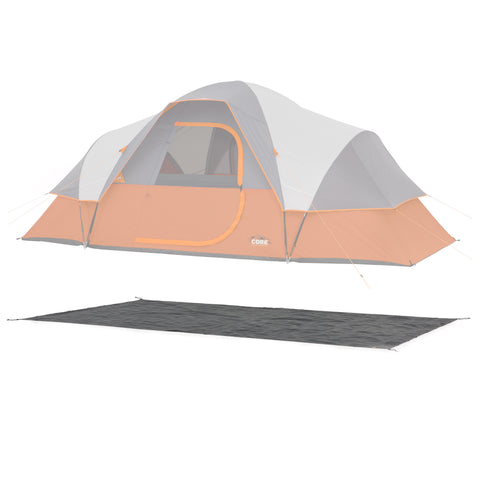
Are you wondering if you really need a tent footprint for your next camping trip? It might seem like an extra piece of gear that you can skip, but the truth is, a footprint can protect your tent and make your outdoor experience much more comfortable.
Imagine waking up to a dry, clean tent floor after a night of rain or avoiding tears from sharp rocks beneath you. If you want to keep your tent in great shape and enjoy hassle-free camping, keep reading. This article will help you decide if a tent footprint is worth it for you.
Credit: www.cleverhiker.com
Purpose Of A Tent Footprint
A tent footprint is a groundsheet placed under your tent. It adds an extra layer between the tent floor and the ground. This helps protect your tent and improves your camping experience.
Using a footprint is a simple way to keep your tent clean and safe. It can also extend the life of your tent by reducing wear and tear.
Protection From Ground Abrasions
The ground can have sharp rocks, sticks, and rough surfaces. These can wear down or tear your tent floor. A footprint acts like a shield against these dangers.
By using a footprint, you stop small holes and scratches from forming. This keeps your tent floor strong and safe for longer.
Barrier Against Moisture
Wet ground can soak into your tent floor. This makes the inside of the tent damp and uncomfortable. A footprint creates a waterproof layer to stop moisture from coming up.
It helps keep your tent dry even on rainy or wet grass. This makes camping more pleasant and prevents damage from water.
Enhanced Tent Durability
A footprint reduces the wear on your tent floor from repeated use. It lowers the stress on the tent fabric and seams. This means your tent stays in good shape for many trips.
Using a footprint also makes cleaning your tent easier. The footprint catches dirt and mud, so your tent stays cleaner and lasts longer.

Credit: www.reddit.com
Materials And Types
Tent footprints protect your tent floor from rough ground. They add extra durability and keep moisture away. Choosing the right material and type helps your tent last longer.
There are many options for tent footprints. Some come in custom sizes, while others fit many tents. You can also make your own footprint at home.
Common Footprint Fabrics
Tent footprints use strong, light fabrics. Each fabric has benefits and drawbacks. Knowing these helps you pick the best one for your needs.
- Polyethylene (PE):Cheap and waterproof but heavier and less durable.
- Tyvek:Lightweight and breathable but not fully waterproof.
- Silicone-coated nylon:Very light and waterproof, ideal for backpacking.
- Polyester with PU coating:Durable and water-resistant with good UV protection.
Custom Vs Universal Sizes
Footprints come in custom shapes to fit specific tents. Universal sizes fit many tents but may be larger or smaller than needed. The right size keeps your tent stable and dry.
| Type | Pros | Cons |
|---|---|---|
| Custom Size | Perfect fit, better protection | Usually more expensive |
| Universal Size | More affordable, versatile | May not fit perfectly |
Diy Footprint Options
You can make your own footprint using materials at home. This saves money and lets you choose your size and shape. Some materials work better than others.
- Plastic drop cloths: Cheap and waterproof but less durable.
- Old tent rain flies: Good waterproofing and size options.
- Tyvek sheets: Lightweight and breathable, good for short trips.
- Heavy-duty tarp: Durable and waterproof, but heavier to carry.
Benefits For Different Camping Styles
Using a tent footprint adds an extra layer of protection under your tent. It helps keep your tent floor clean and dry during your camping trips. Different camping styles benefit from footprints in unique ways.
Choosing the right footprint can improve your camping experience. It also helps extend the life of your tent by reducing wear and tear.
Backpacking Advantages
Backpackers need to keep their gear light and compact. A tent footprint designed for backpacking is usually thin and lightweight. It protects the tent floor from sharp rocks and sticks. This prevents damage without adding much weight to the pack.
- Lightweight and easy to carry
- Protects against rough ground
- Helps keep the tent clean
- Improves tent durability
Car Camping Comfort
Car campers can carry heavier and bulkier gear. A thicker footprint adds extra comfort and insulation. It also shields the tent floor from mud and water. This keeps the inside dry and clean, making the camping experience more pleasant.
| Benefit | Detail |
| Extra Cushioning | Thicker material adds comfort underfoot |
| Water Protection | Prevents water from soaking the tent floor |
| Easy Cleaning | Stops dirt and mud from entering the tent |
| Durability | Protects against rough surfaces and debris |
Extended Trip Considerations
Long trips require extra care for gear. A footprint helps keep the tent in good shape over many uses. It reduces wear from constant setup and takedown. It also helps with tent maintenance by keeping the floor cleaner.
Key points for extended trips:
- Protects tent floor from repeated rough use
- Makes cleaning easier after long stays
- Prevents damage from wet or muddy ground
- Extends overall tent lifespan
When You Might Skip Using One
A tent footprint protects the floor of your tent from damage. It can also help keep moisture out. But there are times when you might not need one.
Skipping a footprint can save weight and space. It can also make setup faster. Consider your camping style and tent type before deciding.
Short-term Camping
If you camp only for one or two nights, you may skip the footprint. The tent floor will stay in good shape for short trips.
Choose a clean, flat spot to avoid sharp rocks or sticks that could damage your tent floor.
Durable Tent Floors
Some tents come with strong, thick floors. These floors resist tears and moisture well. You might not need extra protection.
Check your tent’s floor material. If it feels heavy and tough, a footprint may be less important.
Minimalist Packing
Backpackers often carry only essential gear. A footprint adds weight and takes up space. Skipping it can lighten your load.
Use natural ground conditions carefully. Avoid rough or wet areas to protect your tent floor without a footprint.
Tips For Using And Maintaining Footprints
A tent footprint is a protective layer placed under your tent. It shields the tent floor from dirt, rocks, and moisture. Using a footprint can help extend the life of your tent.
Proper care and use of footprints keep them effective. Following simple tips will keep your footprint in good condition for many trips.
Proper Placement Techniques
Place the footprint carefully under your tent. It should match the tent’s size and shape. Avoid letting it stick out beyond the tent edges.
Make sure the ground is clear before setting the footprint. Remove sharp rocks, sticks, and debris that can damage it.
- Lay the footprint flat on the ground
- Align it with the tent floor
- Keep the footprint inside the tent edges
- Clear the ground of sharp objects first
Cleaning And Storage
Clean your footprint after each use. Dirt and mud can wear down the material if left on for a long time. Use mild soap and water to clean it gently.
Dry the footprint fully before storing. Moisture can cause mold and bad smells. Store it in a cool, dry place away from direct sunlight.
- Use mild soap and water for cleaning
- Rinse off all soap residues
- Air dry completely before storage
- Store in a dry, shaded area
Avoiding Common Mistakes
Do not use a footprint that is bigger than your tent. Extra fabric can collect rainwater and cause leaks. Avoid placing the footprint upside down or folded under the tent.
Avoid stepping on the footprint with sharp shoes or tools. Also, do not drag your tent with the footprint on rough surfaces to prevent tears.
- Use a footprint that fits your tent size
- Keep it flat and aligned under the tent
- Do not step on the footprint with sharp shoes
- Do not drag the tent with the footprint attached

Credit: www.reddit.com
Frequently Asked Questions
What Is A Tent Footprint And Why Use It?
A tent footprint is a protective groundsheet placed under your tent. It shields the tent floor from abrasion, moisture, and dirt. Using one extends your tent’s life and keeps it cleaner and drier during camping trips.
Does A Tent Footprint Improve Tent Durability?
Yes, a tent footprint adds an extra layer of protection. It prevents wear and tear caused by rocks, sticks, and rough ground. This helps maintain your tent’s waterproof coating and structural integrity longer.
Can A Tent Footprint Prevent Moisture And Leaks?
Absolutely. A footprint creates a waterproof barrier between the tent floor and wet ground. It reduces water seepage and condensation, keeping the interior dry and comfortable in damp conditions.
Is A Tent Footprint Necessary For All Camping Trips?
Not always, but it’s highly recommended for rough or wet terrains. On smooth, dry ground, it’s optional. However, using a footprint adds protection and convenience in most camping environments.
Conclusion
A tent footprint protects your tent floor from damage and dirt. It helps keep your tent dry by adding an extra layer. Using one can extend the life of your tent. It also makes packing up easier by keeping the bottom clean.
Not every camping trip needs a footprint, but it is useful on rough or wet ground. Consider your camping style and terrain before deciding. A footprint can save you time and trouble. Simple, practical, and worth thinking about for better camping.