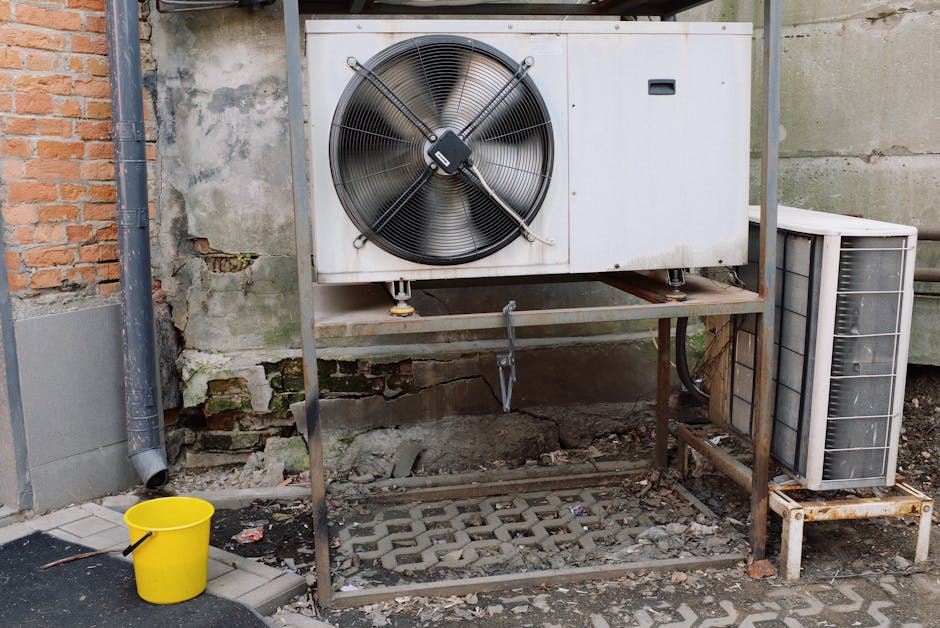
Have you ever wondered if you can run your air conditioner using solar power? Imagine cooling your home without worrying about high electricity bills or power outages.
Using solar energy for your AC not only saves money but also helps the environment. But is it really possible? And what do you need to make it work? Keep reading to discover how solar power can change the way you stay cool—and what steps you can take to make it happen for your home.
Solar Power Basics
Solar power uses sunlight to make electricity. It is clean and can save money on energy bills.
You can use solar power to run many appliances, including air conditioners. Understanding solar basics helps you know if this is possible.
How Solar Panels Work
Solar panels have small cells that catch sunlight. These cells change sunlight into electric energy.
The electricity flows from the panels to your home or battery. This power can run devices like lights, fans, or air conditioners.
- Sunlight hits solar cells
- Cells create direct current (DC) electricity
- An inverter changes DC to alternating current (AC)
- AC electricity powers your appliances
Types Of Solar Systems
There are three main solar system types. Each works differently to supply power to your home.
Choosing the right system affects how well you can run an air conditioner on solar power.
- Grid-tied:Connected to the electric grid. Uses solar power first, grid as backup.
- Off-grid:Not connected to the grid. Uses batteries to store solar power for use anytime.
- Hybrid:Combines grid connection and batteries. Offers more power reliability.

Credit: jebel.ae
Air Conditioner Energy Needs
Running an air conditioner on solar power depends on the energy it uses. Understanding the power needs helps plan solar setups.
This guide explains typical power consumption and key factors that affect AC efficiency.
Typical Power Consumption
Air conditioners use different amounts of power based on their size and type. Small units use less energy than large ones.
| AC Type | Power Use (Watts) |
| Window Unit | 500 – 1500 |
| Split System | 1000 – 3000 |
| Central AC | 2000 – 5000 |
Factors Affecting Ac Efficiency
Several factors change how well an air conditioner works and how much power it needs.
- Room size – Larger rooms need more cooling power.
- Insulation – Better insulation reduces power use.
- Outdoor temperature – Hotter days increase energy needs.
- AC maintenance – Clean filters and coils improve efficiency.
- Thermostat settings – Higher temperatures save power.
Matching Solar Power To Ac Requirements
Running an air conditioner with solar power needs careful planning. You must match the solar system size to the AC’s energy use.
This helps ensure the AC works well and the solar system lasts long. Knowing your AC’s power needs is the first step.
Calculating Energy Needs
Find out how much electricity your air conditioner uses. Check the AC unit label for its power in watts.
Multiply the watts by the hours you plan to run the AC each day. This gives the daily energy use in watt-hours.
- Example: A 1000-watt AC running 5 hours uses 5000 watt-hours (or 5 kWh).
- Consider extra power for startup surge, about 2 to 3 times the running wattage.
- Include other devices if using the same solar system.
Sizing Solar Panels And Batteries
Choose solar panels that produce enough energy for your daily AC use. Solar panel output depends on sun hours per day.
Batteries store energy for times without sunlight. Size the battery to cover your AC’s use during the night or cloudy days.
| Component | What to Consider |
|---|---|
| Solar Panels | Daily watt-hour need ÷ average sun hours = panel wattage |
| Batteries | Daily watt-hour need × days of backup = battery capacity (Wh) |
| Inverter | Must handle AC’s startup and running wattage |
System Components For Solar Ac
Running an air conditioner on solar power needs several key parts. Each part plays an important role in making solar energy work for cooling. Understanding these parts helps you set up the right system.
This guide covers the main components you need: solar panels, inverters, and battery storage. Each one affects how well your solar AC system runs.
Solar Panels
Solar panels catch sunlight and turn it into electricity. The size and number of panels depend on your air conditioner’s power needs. More panels mean more power for cooling.
- Types: monocrystalline, polycrystalline, thin-film
- Efficiency affects how much power you get
- Panels need to face the sun for best results
- Regular cleaning keeps panels working well
Inverters
Inverters change the electricity from solar panels into a form your air conditioner can use. Most AC units need alternating current (AC), but solar panels make direct current (DC).
| Inverter Type | Function |
| String Inverter | Converts DC to AC for multiple panels together |
| Microinverter | Converts DC to AC on each panel separately |
| Hybrid Inverter | Handles solar power and battery storage |
Battery Storage
Batteries store extra solar power for use when the sun is down. This helps keep your air conditioner running at night or on cloudy days.
- Lithium-ion batteries last longer and charge faster
- Lead-acid batteries are cheaper but heavier and less efficient
- Battery capacity determines how long your AC can run without sun
- Proper battery care increases system life
Types Of Air Conditioners For Solar
Running an air conditioner on solar power depends on the type of AC you use. Some AC units work better with solar energy than others. Choosing the right kind saves energy and money.
This guide explains three common types of air conditioners that can run on solar power. Learn about window units, split systems, and portable ACs.
Window Units
Window air conditioners are small and fit into a window frame. They cool one room at a time. These units use less power than larger systems.
Window units work well with solar panels because they need less energy. They are easier to connect to a solar power system. This makes them a good choice for solar cooling.
Split Systems
Split systems have two parts: one inside and one outside the house. They cool bigger areas or whole homes. These systems use more power than window units.
Solar panels can run split systems if the panels and batteries are large enough. They need a bigger solar setup. Many homes use split systems with solar power by adding more panels.
Portable Acs
Portable air conditioners can move from room to room. They plug into a normal outlet and do not need installation. They use moderate energy compared to window units.
Portable ACs work with solar power but need a good battery system. They are good for small spaces and short-term cooling. Solar power can run them if the setup supports their energy use.

Credit: www.logan-inc.com
Installation Tips And Considerations
Running an air conditioner on solar power is possible with the right setup. It needs careful planning and proper installation.
This guide covers important tips for installing solar panels to power your air conditioner. Follow these steps to ensure safety and efficiency.
Placement Of Panels
Solar panels must be placed where they get full sunlight all day. Avoid shadows from trees, buildings, or other objects.
Panels usually go on the roof, angled to face the sun directly. Proper placement increases the energy your system produces.
- Choose a location with no shade
- Face panels south in the northern hemisphere
- Use mounting brackets to set the correct angle
- Keep panels clean for best performance
Wiring And Safety
Wiring must follow local electrical codes to prevent hazards. Use the right gauge wire to handle the air conditioner’s power.
Install a proper inverter to change solar energy into usable electricity. Add safety devices like circuit breakers and fuses.
- Hire a licensed electrician for wiring
- Use weatherproof wiring and connectors
- Install circuit breakers to avoid overload
- Check all connections regularly
Maintenance Requirements
Solar panels need regular cleaning to work well. Dirt and dust reduce their ability to produce power.
Inspect the wiring and inverter often. Replace parts that show wear to keep the system safe and efficient.
- Clean panels with water and soft cloth
- Check inverter display for error messages
- Inspect wiring for damage or corrosion
- Schedule professional checkups yearly
Cost And Savings Analysis
Running an air conditioner on solar power can reduce electricity bills. It needs an upfront cost but saves money over time.
This analysis looks at the initial investment, long-term savings, and available incentives for solar air conditioning.
Initial Investment
The first cost includes solar panels, batteries, and installation. Prices depend on system size and brand.
- Solar panels cost around $2,000 to $5,000 for a typical home system.
- Battery storage adds $1,000 to $3,000 or more.
- Professional installation fees vary from $1,000 to $3,000.
Long-term Savings
Solar power cuts down monthly electricity bills. Savings depend on local energy prices and sunlight.
| Year | Electricity Savings | Accumulated Savings |
| 1 | $300 | $300 |
| 5 | $300 | $1,500 |
| 10 | $300 | $3,000 |
| 20 | $300 | $6,000 |
Incentives And Rebates
Many governments offer rebates and tax credits. These lower the total cost of solar systems.
Common incentives include:
- Federal tax credits up to 30% of system cost
- State rebates based on system size
- Local utility discounts or net metering benefits
Challenges And Limitations
Running an air conditioner on solar power sounds great. It can save energy and reduce bills. Still, some challenges make it hard to rely only on solar power.
Understanding these limits helps you decide if solar power suits your cooling needs.
Weather Dependence
Solar panels need sunlight to make electricity. On cloudy or rainy days, they produce less power. This reduces the air conditioner’s ability to run properly.
Nighttime means no sunlight, so the air conditioner cannot run on solar power alone without stored energy.
Storage Constraints
Solar energy works best with batteries to store power for later use. These batteries can be expensive and have limited capacity. They may not store enough energy to run an air conditioner all night.
Battery lifespan also affects system reliability and cost over time.
System Efficiency
Air conditioners use a lot of energy. Solar panels and batteries have efficiency limits. Some energy is lost when converting sunlight to electricity and storing it in batteries.
This means you need a large solar system to run an air conditioner fully on solar power.
- Energy loss during conversion
- Limited battery storage efficiency
- High power demand of air conditioners
Alternative Cooling Solutions
Running an air conditioner on solar power can be challenging without the right setup. Alternative cooling solutions can help lower energy use and keep homes cool.
These options often use less electricity or no electricity at all. They work well alongside solar power systems for efficient cooling.
Energy-efficient Ac Models
Energy-efficient air conditioners use less power to cool a space. They help reduce solar panel size and energy costs.
- Look for units with a high SEER rating.
- Choose inverter ACs that adjust cooling power.
- Use smart thermostats to control temperature.
- Maintain filters and coils for better efficiency.
Evaporative Coolers
Evaporative coolers use water to cool air naturally. They consume far less electricity than regular AC units.
| Feature | Evaporative Cooler | Traditional AC |
| Electricity Use | Low | High |
| Cooling Method | Water evaporation | Refrigerant cycle |
| Best Climate | Dry, hot | Humid or dry |
Passive Cooling Techniques
Passive cooling reduces indoor heat without machines. It lowers the need for powered air conditioning.
- Use shade from trees or awnings on windows.
- Install reflective roofing materials.
- Open windows at night for cool air.
- Use light-colored walls to reflect heat.
- Improve home insulation to keep heat out.

Credit: m.youtube.com
Frequently Asked Questions
How Does Solar Power Work With Air Conditioners?
Solar power converts sunlight into electricity using photovoltaic panels. This electricity can power air conditioners. By using an inverter, the direct current (DC) from the panels is transformed into alternating current (AC), which air conditioners use. This eco-friendly solution can reduce electricity bills and carbon footprints, especially during sunny periods.
Can Solar Panels Run Air Conditioners Effectively?
Yes, solar panels can effectively run air conditioners. The effectiveness depends on the system’s size and sunlight availability. A well-designed solar setup can handle the power needs of an air conditioner. Ensure your system is adequately sized to meet the demands of your specific air conditioning unit.
What Size Solar System Is Needed For Ac?
The size of the solar system depends on the air conditioner’s wattage. Typically, a 3-5 kW solar system can power a standard home air conditioner. Consult with a solar professional to determine the exact specifications for your air conditioning needs and local sunlight conditions.
Is It Cost-effective To Use Solar For Ac?
Using solar power for air conditioning can be cost-effective. While the initial investment is high, savings on electricity bills can offset costs over time. Incentives and rebates may also reduce upfront expenses, making solar-powered air conditioning a financially viable option in the long term.
Conclusion
Running an air conditioner on solar power is possible and practical. Solar panels can provide enough energy for cooling needs. Choosing the right system size matters a lot. Battery storage helps keep your AC running at night. Solar power saves money on electricity bills over time.
It also reduces your carbon footprint and helps the environment. Think about your energy use and budget before deciding. Solar-powered air conditioning can be a smart, clean choice for many homes.