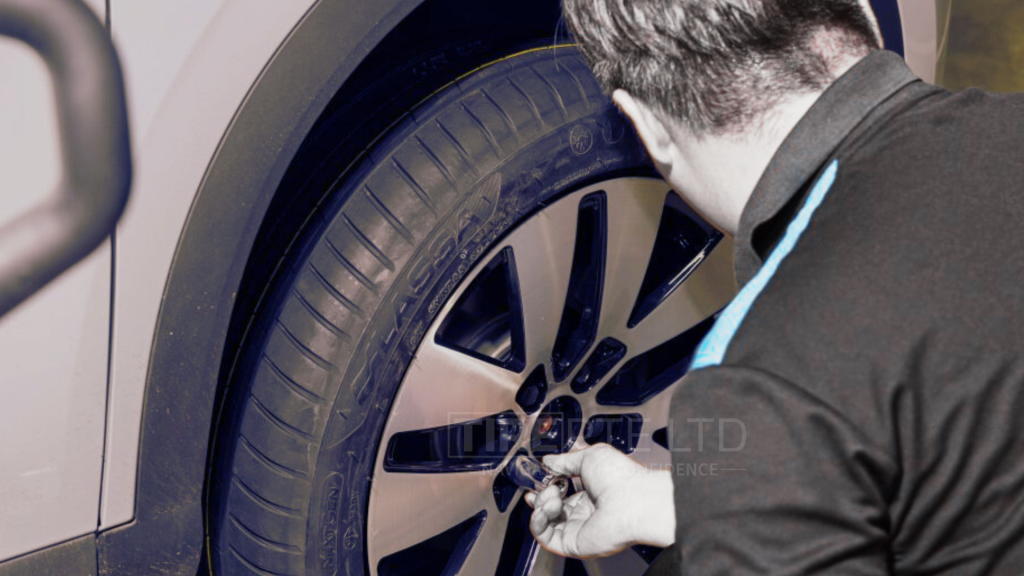
Have you ever wondered how often you should rotate your car tires? It’s a simple step that can save you money, improve your car’s performance, and keep you safer on the road.
If you skip this easy maintenance task, your tires could wear unevenly, leading to a bumpy ride and costly repairs. You’ll discover the ideal tire rotation schedule and why it matters for your vehicle. Keep reading to learn how a small habit can make a big difference for your car and your wallet.

Credit: www.daleearnhardtjrbuickgmc.com
Why Tire Rotation Matters
Rotating your car tires helps them last longer. It means moving tires from one position to another.
This simple action keeps your tires wearing evenly. It also helps your car drive better and safer.
Impact On Tire Wear
Tires wear differently depending on their position on the car. Front tires often wear faster because they steer and carry more weight.
Rotating tires spreads out the wear. This keeps all tires in good shape for a longer time.
- Prevents uneven tire wear
- Extends tire lifespan
- Saves money on new tires
Improved Vehicle Performance
Even tire wear helps your car handle better. It keeps your ride smooth and steady on the road.
Rotated tires give better traction. This helps with braking, steering, and driving on wet or slippery roads.
- Smoother driving experience
- Better steering control
- Improved fuel efficiency
Enhanced Safety
Good tire condition is key to safe driving. Rotating tires lowers the risk of blowouts and accidents.
It helps maintain traction during emergency stops and sharp turns. This keeps you and passengers safe on the road.
- Reduces chance of tire failure
- Maintains grip on the road
- Improves vehicle stability
Credit: www.bfgoodrichtires.com
Signs You Need To Rotate Tires
Rotating your car tires helps them wear evenly. It keeps your ride smooth and safe. Knowing when to rotate tires can save you money and trouble.
Look for signs that show uneven wear or problems. These signs tell you it is time to rotate your tires.
Uneven Tread Wear
Uneven tread wear happens when some parts of the tire wear faster than others. This can cause poor traction and handling.
- Check if one side of the tire is more worn than the other.
- Look for bald spots or smooth patches on the tread.
- Inspect if the front tires wear differently than the rear tires.
- Uneven wear means tires need to be rotated soon.
Vibration While Driving
If you feel shaking or vibration in the steering wheel or seat, your tires may be out of balance. This can happen when tires wear unevenly.
| Cause | Effect |
| Uneven tire wear | Shaking or vibrating while driving |
| Unbalanced tires | Steering wheel vibration |
| Loose lug nuts | Car vibration at high speeds |
| Need for tire rotation | Improved ride smoothness |
Noisy Tires
Noises like squealing or humming can mean your tires wear unevenly. This can happen if the tires are not rotated regularly.
Common noises from uneven tires include:
- Squealing during turns
- Humming sound at high speeds
- Thumping or knocking noises
Rotating your tires helps reduce these noises and protects your tires.
Recommended Rotation Intervals
Rotating car tires regularly helps keep them wearing evenly. This can extend the life of your tires and improve safety on the road. Knowing how often to rotate tires depends on several factors.
Following proper rotation schedules can save money and improve driving comfort. Read on to learn the main guidelines and factors affecting tire rotation frequency.
Manufacturer Guidelines
Car and tire makers give specific advice on rotation intervals. These instructions are found in the owner’s manual or on tire labels. They are based on the type of vehicle and tire design.
- Most manufacturers recommend rotating every 5,000 to 8,000 miles.
- Some tires need special patterns for rotation.
- All-wheel-drive cars may have different rules.
- Always check the manual for your exact model.
General Mileage Recommendations
Many experts suggest rotating tires at set mileage intervals. This keeps tire wear balanced across all wheels.
| Type of Tire | Recommended Rotation Interval |
| Standard Tires | 5,000 – 7,500 miles |
| Performance Tires | 5,000 miles |
| Truck or SUV Tires | 7,000 – 10,000 miles |
Factors Affecting Rotation Frequency
Some conditions require changing rotation intervals. These include driving habits and road types. Adjusting rotation time can protect tires under special conditions.
- Frequent stop-and-go driving can wear tires faster.
- Rough or uneven roads cause more tire stress.
- Car load and towing increase tire wear.
- Seasonal changes may affect tire grip and wear.
Credit: www.capitalchev.ca
Rotation Patterns To Follow
Rotating your car tires helps them wear evenly. This extends tire life and improves safety.
Different cars need different rotation patterns. Follow the right pattern for your drive type.
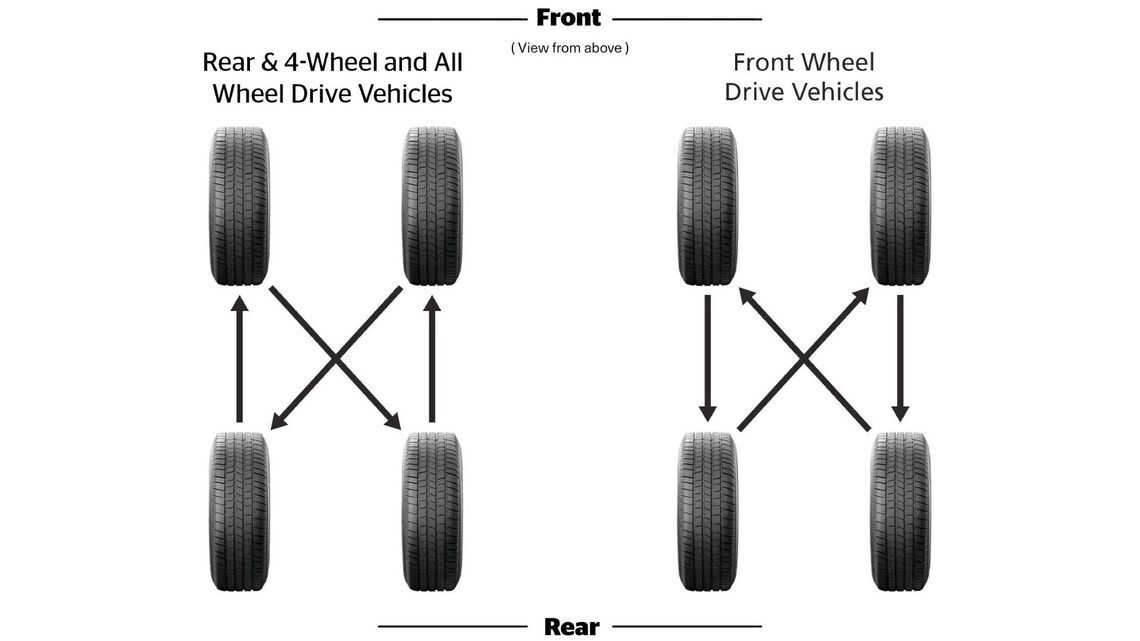
Front-wheel Drive Patterns
Front-wheel drive cars have the front wheels doing most work. They wear faster than rear tires.
Use the Forward Cross pattern for these cars. Move front tires to the rear on the same side.
- Front left tire moves to rear left
- Front right tire moves to rear right
- Rear left tire moves to front right
- Rear right tire moves to front left
Rear-wheel Drive Patterns
Rear-wheel drive cars have the rear wheels pushing the car. They wear differently than front wheels.
The Rearward Cross pattern works well here. Move rear tires to the front on the same side.
- Rear left tire moves to front left
- Rear right tire moves to front right
- Front left tire moves to rear right
- Front right tire moves to rear left
All-wheel Drive Patterns
All-wheel drive cars use all four tires equally. They need a pattern that balances wear well.
The X-Pattern is common. Each tire moves diagonally to the opposite corner.
- Front left tire moves to rear right
- Front right tire moves to rear left
- Rear left tire moves to front right
- Rear right tire moves to front left
Directional Tires Considerations
Directional tires have a set rotation direction. You cannot swap sides without remounting.
Rotate them front to back on the same side only. This keeps the tread pattern correct.
- Front left tire moves to rear left
- Rear left tire moves to front left
- Front right tire moves to rear right
- Rear right tire moves to front right
Diy Tire Rotation Tips
Rotating your car tires helps them wear evenly. This keeps your ride safe and smooth.
Doing it yourself saves money and helps you learn more about your car.
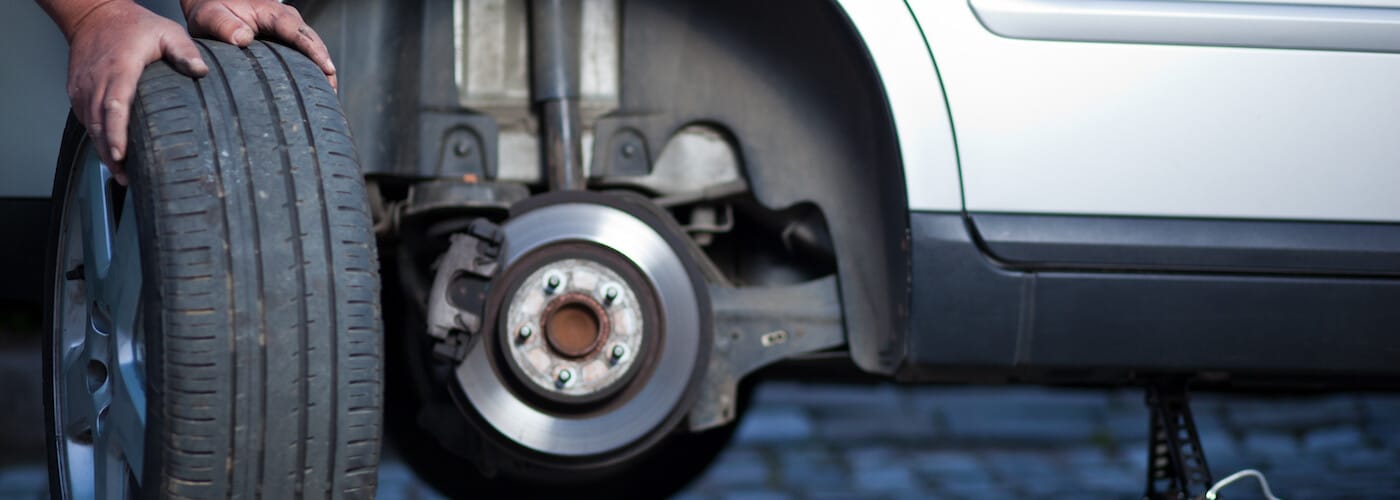
Tools You’ll Need
Before starting, gather all the tools. This makes the job easier and faster.
- Car jack to lift the vehicle
- Lug wrench to remove wheel nuts
- Wheel chocks to stop the car from moving
- Torque wrench to tighten nuts properly
- Gloves to protect your hands
- Owner’s manual for tire rotation pattern
Step-by-step Process
Follow these simple steps to rotate your tires safely and correctly.
- Park on a flat surface and apply the parking brake.
- Place wheel chocks behind tires that stay on the ground.
- Loosen the lug nuts slightly before lifting the car.
- Use the jack to raise one corner of the car.
- Remove the lug nuts and take off the tire.
- Move the tire to its new position following the pattern in your manual.
- Put the tire back on and hand-tighten the lug nuts.
- Lower the car and tighten the lug nuts with a torque wrench.
- Repeat for all tires.
- Check tire pressure after rotation.
Safety Precautions
Stay safe during tire rotation by following these rules. Safety is important.
- Always use a flat, stable surface for working.
- Never work under a car only supported by a jack.
- Use wheel chocks to prevent car movement.
- Wear gloves to protect your hands from dirt and sharp parts.
- Do not rush; take your time with each step.
- Check the car’s manual for specific instructions.
- Make sure lug nuts are tightened to the right torque.
Professional Tire Rotation Benefits
Tire rotation helps your tires wear evenly. This improves safety and extends tire life. A professional service ensures the job is done right.
Regular tire rotation saves money by avoiding early tire replacement. It also keeps your vehicle running smoothly and safely.
Expert Inspection
Professionals check your tires for damage during rotation. They look for uneven wear, cracks, and punctures. This early inspection helps prevent accidents.
Additional Maintenance Checks
Along with tire rotation, experts check other parts of your car. They inspect brakes, suspension, and wheel alignment. This keeps your car safe and in good condition.
- Brake pad wear
- Suspension condition
- Wheel alignment accuracy
- Tire pressure levels
Warranty Considerations
Many tire warranties require regular rotation to stay valid. Skipping rotation can void the warranty. Professionals keep records of all services for proof.
| Warranty Condition | Required Action | Typical Interval |
| Tire Wear Coverage | Rotate tires regularly | Every 5,000 to 7,500 miles |
| Road Hazard Protection | Inspect tires during rotation | Every 6 months |
| Extended Warranty | Keep maintenance records | As per manufacturer guidelines |
Extending Tire Lifespan Beyond Rotation
Rotating car tires helps them wear evenly. This can extend their life and improve safety.
You can do more to keep tires lasting longer. Proper care helps save money and time.
Proper Tire Inflation
Tires need the right air pressure to work well. Too little or too much air causes uneven wear.
Check tire pressure once a month. Use a reliable gauge and follow the car manual’s guide.
- Under-inflated tires wear on edges
- Over-inflated tires wear in the center
- Correct pressure improves fuel efficiency
- Proper inflation ensures safer driving
Wheel Alignment Checks
Wheel alignment means the tires point straight and line up with the car. Poor alignment causes fast tire wear.
Get alignment checked yearly or if you notice the car pulling to one side. Proper alignment helps tires last longer.
- Misaligned wheels cause uneven tire wear
- Proper alignment improves steering control
- It reduces strain on suspension parts
Balanced Tires
Balanced tires spin smoothly at all speeds. Unbalanced tires cause vibration and uneven wear.
Have tires balanced during installation or if you feel shaking. Balanced tires protect your car’s parts.
- Improves tire life by reducing uneven wear
- Prevents damage to suspension and steering
- Creates a smoother, safer ride
Frequently Asked Questions
How Often Should You Rotate Car Tires?
Typically, car tires should be rotated every 5,000 to 7,500 miles. This helps ensure even tire wear. Always refer to your vehicle’s owner manual for specific recommendations.
What Are The Benefits Of Tire Rotation?
Regular tire rotation promotes even wear and extends tire life. It improves vehicle handling and safety. It can also enhance fuel efficiency by maintaining balanced tire pressure.
Can I Rotate Tires Myself At Home?
Yes, you can rotate tires at home with the right tools. Ensure you follow the correct rotation pattern for your vehicle. Always check the owner’s manual for guidance.
What Happens If You Don’t Rotate Your Tires?
Failing to rotate tires leads to uneven wear, reducing tire lifespan. It can affect vehicle handling and safety. This may result in increased maintenance costs over time.
Conclusion
Rotating your car tires keeps them wearing evenly and lasting longer. Most experts say every 5,000 to 7,000 miles is best. This simple step helps your car drive safely and smoothly. Ignoring tire rotation can cause uneven wear and reduce fuel efficiency.
Check your car’s manual for specific advice. Regular tire rotation saves money by preventing early tire replacement. Take care of your tires to protect your ride and your wallet. Simple and regular tire rotation makes a big difference. Don’t skip it.