Choosing the right climbing shoes can make all the difference between a great climb and a frustrating one. You want shoes that fit perfectly, feel comfortable, and help you climb better.
But with so many options out there, how do you pick the best pair for you? This guide will walk you through everything you need to know to find climbing shoes that match your style, skill level, and goals. Keep reading, and soon you’ll be ready to tackle any route with confidence and comfort.

Credit: www.youtube.com
Types Of Climbing Shoes
Choosing the right climbing shoes is important for comfort and performance. Different shoes fit different climbing styles and feet.
There are three main types of climbing shoes: neutral, moderate, and aggressive. Each type has unique features for specific uses.
Neutral Shoes
Neutral shoes have a relaxed shape and flat soles. They feel comfortable for long climbs or walking.
These shoes are good for beginners and crack climbers. They offer comfort but less precision on small holds.
- Flat profile for comfort
- More padding inside
- Good for all-day wear
- Less aggressive toe design
Moderate Shoes
Moderate shoes have a slight curve and more support. They balance comfort and performance well.
These shoes work for many climbing types, from sport routes to trad climbing. They help with edging and small holds.
- Moderate downturn for control
- Good support for feet
- Versatile for different climbs
- Fits many foot shapes
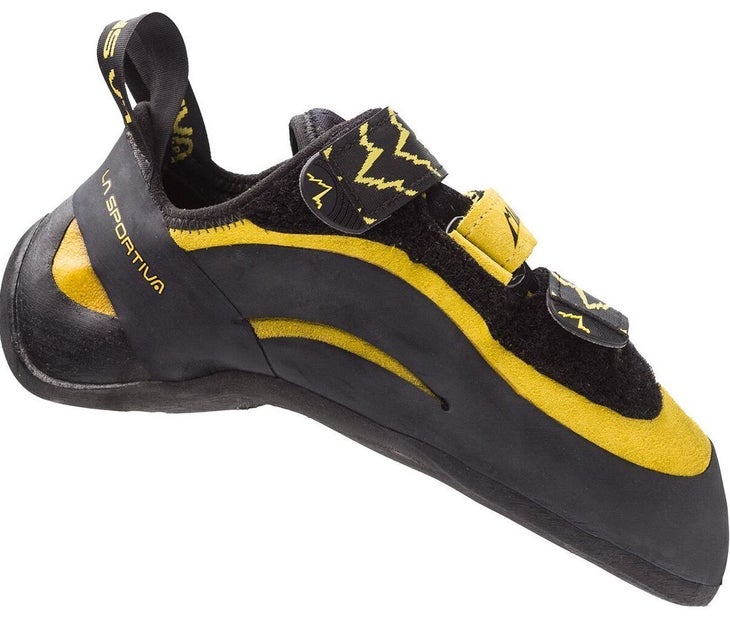
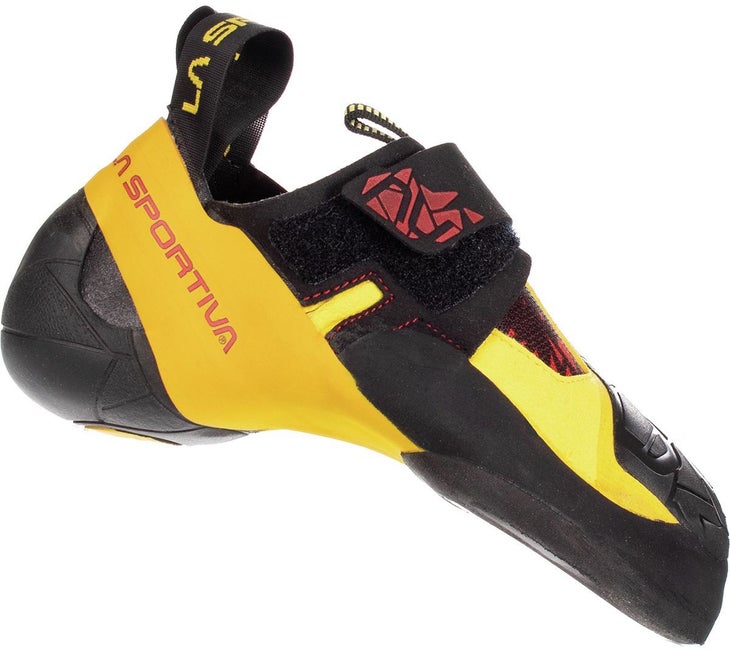
Aggressive Shoes
Aggressive shoes have a strong downward curve. They place your toes in a powerful position for difficult climbs.
These shoes are made for steep or overhanging routes. They give high precision but can be less comfortable.
- Strongly curved sole
- Tight fit for precision
- Ideal for bouldering and sport climbing
- Less padding for better feel
Credit: www.climbing.com
Key Features To Consider
Choosing the right climbing shoes is important for safety and performance. Knowing what to look for helps you pick the best fit.
Focus on the shoe’s material, closure system, and sole type. Each affects comfort and how well the shoe works on climbs.
Material And Construction
Climbing shoes are made from synthetic or natural materials. Synthetic shoes stretch less but may feel less breathable. Leather shoes stretch more and can mold to your foot.
- Synthetic:Less stretch, often lighter.
- Leather:Stretches to fit better over time.
- Combination:Mix of both for balance.
- Lining:Adds comfort and controls stretch.
Closure Systems
Shoe closures affect fit and ease of use. Common types include Velcro straps, laces, and slip-ons. Each has pros and cons for climbing style and shoe fit.
| Closure Type | Advantages | Disadvantages |
| Velcro | Easy to put on and take off | Less adjustable fit |
| Laces | More precise fit adjustment | Takes longer to put on |
| Slip-on | Lightweight and snug | Harder to remove quickly |
Sole And Rubber Types
The sole provides grip and support. Rubber type affects how well you stick to surfaces. Softer rubber offers better grip but wears faster. Harder rubber lasts longer but grips less.
- Sticky rubber:Best for slipping grips.
- Hard rubber:Durable on rough surfaces.
- Moderate rubber:Balanced grip and durability.
Sizing For Comfort And Performance
Choosing the right climbing shoes is key for a good climbing experience. Shoes that fit well help you climb better and stay comfortable.
Finding the perfect size means thinking about both comfort and performance. Here are some tips to help you pick the right climbing shoes.
Measuring Your Feet
Start by measuring your feet to know your size. Do this at the end of the day when your feet are the largest.
Use a ruler or tape to measure from your heel to your longest toe. Measure both feet because they can be different sizes.
- Stand on a flat surface with your weight on both feet
- Place a ruler or tape measure along your foot’s length
- Note the length in centimeters or inches
- Repeat for the other foot
Trying Different Brands
Climbing shoe sizes can change between brands. Trying different brands helps find the best fit for your foot shape.
Some brands have narrow fits, others are wider. Test many to see which feels best for you.
- Try shoes in the afternoon or evening
- Wear the type of socks you plan to climb in
- Walk around to check comfort and tightness
- Test how the shoe holds your heel and toes
Balancing Fit And Pain
Climbing shoes should be snug but not painful. A tight fit helps with control but can hurt if too small.
Look for shoes that feel firm but do not cause sharp pain or numbness.
- Fit should allow toes to be slightly curled
- Avoid shoes that pinch or press hard on the foot
- Keep in mind shoes will stretch a little after use
- Stop if you feel strong pain or loss of blood flow

Credit: www.reddit.com
Matching Shoes To Climbing Styles
Choosing the right climbing shoes depends on the type of climbing you do. Different styles need different shoe features for the best performance.
Understanding how shoes match your climbing style helps you climb better and feel more comfortable.
Bouldering
Bouldering requires shoes with strong grip and precision. You often climb short, tough routes with small holds.
Shoes for bouldering are usually aggressive and have a downturned shape. This helps you use tiny edges and pockets.
- Tight fit for better control
- Sticky rubber soles for grip
- Downturned toe for precision
- Flexible enough for toe hooks
Sport Climbing
Sport climbing involves longer routes with bolts for protection. Shoes need to be comfortable for many hours.
Shoes for sport climbing balance comfort and performance. They are less aggressive than bouldering shoes but still precise.
- Moderate fit for comfort
- Semi-aggressive shape for edging
- Good rubber for traction
- Supportive sole for longer climbs
Trad Climbing
Trad climbing often takes place on cracks and uneven rock. Shoes need to be durable and comfortable.
Trad shoes usually have a flatter profile. They provide comfort for long climbs and protect your feet on rough terrain.
- Flat or slightly downturned shape
- Durable materials for rough use
- Comfortable fit for long wear
- Good support for foot placements
Breaking In Your Shoes
Breaking in climbing shoes makes them fit better and feel more comfortable. New shoes can be stiff and tight. Taking time to soften them helps you climb longer.
Use careful methods to stretch and wear your shoes. This helps avoid pain and damage. Below are useful tips to help your shoes fit well.
Wear Time Tips
Wear your new climbing shoes for short periods at first. This lets the material stretch slowly. Avoid wearing them too long on the first days.
- Wear shoes for 30 minutes to 1 hour initially.
- Take breaks to let your feet relax.
- Gradually increase wear time over a week.
- Use them indoors before outdoor climbing.
- Stop if your feet feel numb or very sore.
Stretching Techniques
Stretching your climbing shoes helps soften the material. You can use simple tools and tricks at home to shape the shoes.
| Technique | How to Do It | Notes |
|---|---|---|
| Use a Shoe Stretcher | Insert the stretcher and turn the handle to expand the shoe. | Leave for 24 hours for best results. |
| Wear Thick Socks | Put on thick socks, then wear the shoes for short periods. | Helps stretch tight areas gently. |
| Apply Heat | Use a hairdryer on low heat around tight spots, then wear shoes. | Do not overheat or damage material. |
| Manual Stretching | Use hands to bend and flex the shoe outside. | Focus on tight spots carefully. |
Maintaining Grip And Durability
Climbing shoes need strong grip and long-lasting materials. Good care helps keep them working well.
Proper cleaning and repair extend the life of your shoes. This saves money and keeps you safe.
Cleaning And Care
Keep your climbing shoes clean to maintain grip. Dirt and sweat can reduce their stickiness.
Use a soft brush to remove dirt after each use. Let shoes dry naturally away from heat.
- Remove insoles and dry separately
- Use mild soap and water for stains
- Avoid washing machines or dryers
- Store shoes in a cool, dry place
When To Resole
Resoling fixes worn-out rubber and restores grip. Check soles often for thinning or holes.
Replace the sole before it wears through. Worn soles can cause slips and damage the shoe.
- Look for smooth or bald spots on the sole
- Listen for less grip on holds
- Check for cracks or tears in rubber
- Resole early to keep shoe shape
Frequently Asked Questions
What Size Climbing Shoes Should I Get?
Choosing the right size is crucial for comfort and performance. Climbing shoes should fit snugly but not painfully tight. Consider trying them on in-store to ensure a proper fit. Remember that some materials stretch slightly over time. Always prioritize comfort over size to enhance your climbing experience.
How Often Should I Replace Climbing Shoes?
The frequency of replacing climbing shoes depends on usage and wear. Regular climbers might need new shoes annually. Check for signs like worn soles or discomfort. If your shoes lose grip or support, it’s time for a replacement. Proper care and maintenance can extend their lifespan.
Are Aggressive Climbing Shoes Necessary?
Aggressive climbing shoes aren’t necessary for all climbers. They’re ideal for advanced climbers tackling steep routes. Beginners or those climbing for comfort might prefer neutral shoes. Evaluate your climbing style and goals before deciding. Aggressive shoes offer precision but can be uncomfortable for long periods.
Can I Use Regular Shoes For Climbing?
Regular shoes aren’t suitable for climbing. Climbing shoes offer grip, support, and precision that regular shoes lack. They enhance safety and performance on climbs. Investing in a good pair of climbing shoes is essential for serious climbers. They make a significant difference in your climbing experience.
Conclusion
Choosing the right climbing shoes takes time and patience. Focus on fit, comfort, and your climbing style. Test different shoes to find what feels best. Remember, tight shoes do not always mean better performance. A good pair helps you climb with confidence and safety.
Take care of your shoes to make them last longer. Keep practicing and enjoy every climb with the shoes that suit you. Your feet will thank you.